

03 June 2026
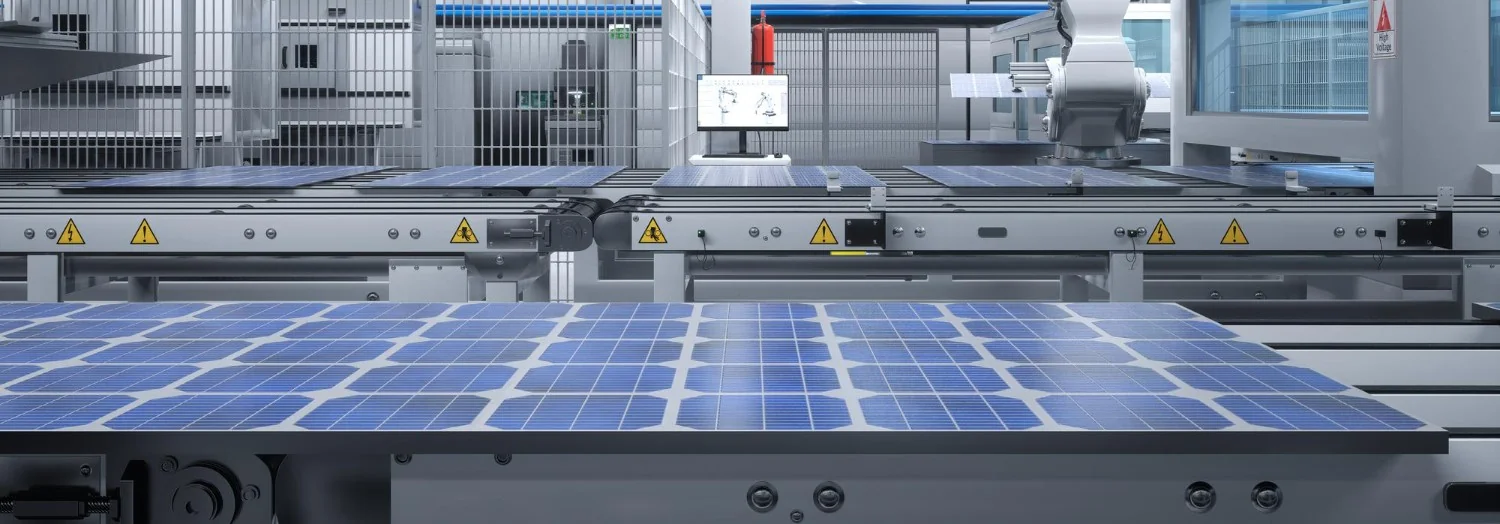
India’s solar cell manufacturing sector has witnessed substantial growth as the country prepares for the implementation of the Approved List of Models and Manufacturers (ALMM) List-II mandate from June 2026. The policy requires government-backed and certain renewable energy projects to use solar cells produced by approved domestic manufacturers, strengthening local production capabilities and reducing dependence on imported components.
The upcoming mandate has encouraged manufacturers to accelerate investments in production facilities, resulting in a significant increase in the nation’s solar cell manufacturing capacity. Industry participants have expanded operations and commissioned new facilities to meet anticipated demand from developers seeking compliant solar equipment for future projects.
The growth of domestic solar manufacturing aligns with India’s broader clean energy and energy security objectives. By developing a stronger local supply chain, the country aims to support the rapid deployment of renewable energy while fostering industrial development, job creation, and technological advancement within the solar sector.
The policy is also expected to enhance supply chain resilience by reducing reliance on overseas suppliers and encouraging greater self-sufficiency in critical renewable energy components. Increased domestic manufacturing capacity could help support India’s ambitious renewable energy targets and contribute to long-term sustainability goals.
While industry stakeholders continue to monitor potential challenges related to supply availability and market adjustments during the transition period, the expansion of manufacturing capacity reflects growing confidence in India’s renewable energy market and the government’s commitment to strengthening domestic clean energy production.
Domestic solar-manufacturing expansion under ALMM is what makes India's Make-in-India solar targets realistic, and it changes Scope 3 disclosure and CBAM-adjacent positioning for downstream buyers. Our supply-chain-and-operations and energy-transition teams help clients evaluate what ALMM sourcing means for supply-chain strategy and disclosure.

• 𝘋𝘶𝘣𝘢𝘪 𝘗𝘰𝘭𝘪𝘤𝘦 𝘩𝘢𝘴 𝘤𝘰𝘮𝘱𝘭𝘦𝘵𝘦𝘥 𝘵𝘩𝘦 𝘧𝘪𝘳𝘴𝘵 𝘱𝘩𝘢𝘴𝘦 𝘰𝘧 𝘢 𝘴𝘰𝘭𝘢𝘳 𝘦𝘯𝘦𝘳𝘨𝘺 𝘱𝘳𝘰𝘫𝘦𝘤𝘵 𝘢𝘤𝘳𝘰𝘴𝘴 28 𝘱𝘰𝘭𝘪𝘤𝘦 𝘴𝘪𝘵𝘦𝘴. • 𝘛𝘩𝘦 𝘱𝘳𝘰𝘫𝘦𝘤𝘵 𝘪𝘴 𝘦𝘴𝘵𝘪𝘮𝘢𝘵𝘦𝘥 𝘵𝘰 𝘳𝘦𝘥𝘶𝘤𝘦 𝘢𝘯𝘯𝘶𝘢𝘭 𝘤𝘢𝘳𝘣𝘰𝘯 𝘦𝘮𝘪𝘴𝘴𝘪𝘰𝘯𝘴 𝘣𝘺 26,000 𝘵𝘰𝘯𝘯𝘦𝘴. • 𝘛𝘩𝘦 𝘳𝘦𝘥𝘶𝘤𝘵𝘪𝘰𝘯 𝘦𝘲𝘶𝘢𝘵𝘦𝘴 𝘵𝘰…

• 𝘚𝘪𝘯𝘨𝘢𝘱𝘰𝘳𝘦 𝘩𝘢𝘴 𝘪𝘯𝘵𝘳𝘰𝘥𝘶𝘤𝘦𝘥 𝘢 𝘱𝘳𝘰𝘱𝘰𝘴𝘦𝘥 𝘋𝘪𝘨𝘪𝘵𝘢𝘭 𝘐𝘯𝘧𝘳𝘢𝘴𝘵𝘳𝘶𝘤𝘵𝘶𝘳𝘦 𝘉𝘪𝘭𝘭 𝘢𝘪𝘮𝘦𝘥 𝘢𝘵 𝘴𝘵𝘳𝘦𝘯𝘨𝘵𝘩𝘦𝘯𝘪𝘯𝘨 𝘵𝘩𝘦 𝘴𝘦𝘤𝘶𝘳𝘪𝘵𝘺, 𝘳𝘦𝘴𝘪𝘭𝘪𝘦𝘯𝘤𝘦 𝘢𝘯𝘥 𝘦𝘯𝘷𝘪𝘳𝘰𝘯𝘮𝘦𝘯𝘵𝘢𝘭 𝘴𝘶𝘴𝘵𝘢𝘪𝘯𝘢𝘣𝘪𝘭𝘪𝘵𝘺 𝘰𝘧 𝘥𝘢𝘵𝘢 𝘤𝘦𝘯𝘵𝘳𝘦𝘴 𝘢𝘯𝘥 𝘤𝘭𝘰𝘶𝘥 𝘴𝘦𝘳𝘷𝘪𝘤𝘦𝘴. • 𝘛𝘩𝘦 𝘉𝘪𝘭𝘭 𝘸𝘰𝘶𝘭𝘥…

• 𝘌𝘶𝘳𝘰𝘱𝘦’𝘴 𝘭𝘢𝘳𝘨𝘦𝘴𝘵 𝘪𝘯𝘥𝘶𝘴𝘵𝘳𝘪𝘢𝘭 𝘤𝘢𝘳𝘣𝘰𝘯 𝘤𝘢𝘱𝘵𝘶𝘳𝘦 𝘧𝘢𝘤𝘪𝘭𝘪𝘵𝘺 𝘩𝘢𝘴 𝘣𝘦𝘦𝘯 𝘪𝘯𝘢𝘶𝘨𝘶𝘳𝘢𝘵𝘦𝘥 𝘢𝘵 𝘠𝘢𝘳𝘢’𝘴 𝘢𝘮𝘮𝘰𝘯𝘪𝘢 𝘢𝘯𝘥 𝘧𝘦𝘳𝘵𝘪𝘭𝘪𝘴𝘦𝘳 𝘱𝘭𝘢𝘯𝘵 𝘪𝘯 𝘚𝘭𝘶𝘪𝘴𝘬𝘪𝘭, 𝘵𝘩𝘦 𝘕𝘦𝘵𝘩𝘦𝘳𝘭𝘢𝘯𝘥𝘴. • 𝘛𝘩𝘦 𝘧𝘢𝘤𝘪𝘭𝘪𝘵𝘺 𝘤𝘢𝘯 𝘤𝘢𝘱𝘵𝘶𝘳𝘦 𝘢𝘯𝘥 𝘭𝘪𝘲𝘶𝘦𝘧𝘺 𝘶𝘱 𝘵𝘰 800,000 𝘵𝘰𝘯…