


18 August 2025
A new study suggests India can cushion the economic hit from the European Union’s Carbon Border Adjustment Mechanism (CBAM) by imposing its own carbon tax and retaining the revenue. The CBAM, set to take effect in 2026, will target carbon-intensive imports such as iron and steel, cement, aluminum and fertilizers from countries with weaker climate policies.
The iron and steel sector is most exposed, accounting for nearly 90% of India’s CBAM-covered exports. Without a domestic levy, India risks losing tariff revenues to Brussels, with GDP shrinking slightly as a result. High logistics costs and competition from low-priced imports already strain the sector, the study notes.
Researchers modeled scenarios showing that a domestic carbon tax could generate revenues of up to 1% of GDP by 2030, enabling green subsidies, industrial support and household compensation. This “revenue recycling” would ease economic pain, support renewable energy growth and limit declines in fossil-fuel-based industries.
The report concludes that with the right policies-such as a carbon trading scheme, targeted support for vulnerable sectors, and diversification of exports-India could turn CBAM into a catalyst for its net zero transition. Instead of being a burden, the mechanism could accelerate investment in clean technologies and strengthen India’s position in global trade.
Domestic carbon-tax revenue recycling would allow India to capture revenue that would otherwise flow to EU CBAM collectors. Iron and steel accounting for nearly 90 percent of India's CBAM-covered exports concentrates the exposure - a well-designed domestic mechanism could redirect that revenue into transition-support investment while maintaining trade competitiveness.
The revenue-recycling approach - up to 1 percent of GDP by 2030 supporting green subsidies, industrial support and household compensation - provides the political architecture for making domestic carbon-pricing acceptable. Distribution mechanisms that channel revenue back to affected constituencies reduce the political friction that has historically slowed carbon-tax adoption in developing economies.
For steel producers, other CBAM-exposed manufacturers, financial institutions and their trade and policy advisors, Cognitud's climate action, market intelligence and sustainability due diligence teams help clients evaluate exposure to domestic-carbon-pricing scenarios, structure compliance and pass-through strategies aligned with evolving pricing frameworks, and prepare disclosures aligned with BRSR, ISSB and jurisdictional carbon-pricing frameworks that increasingly determine competitive positioning across international trade routes.

• 𝘛𝘩𝘦 𝘜𝘈𝘌 𝘍𝘰𝘰𝘥 𝘉𝘢𝘯𝘬 𝘢𝘯𝘥 𝘋𝘶𝘣𝘢𝘪’𝘴 𝘊𝘰𝘮𝘮𝘶𝘯𝘪𝘵𝘺 𝘋𝘦𝘷𝘦𝘭𝘰𝘱𝘮𝘦𝘯𝘵 𝘈𝘶𝘵𝘩𝘰𝘳𝘪𝘵𝘺 (𝘊𝘋𝘈) 𝘩𝘢𝘷𝘦 𝘴𝘪𝘨𝘯𝘦𝘥 𝘢𝘯 𝘢𝘨𝘳𝘦𝘦𝘮𝘦𝘯𝘵 𝘵𝘰 𝘤𝘰𝘭𝘭𝘦𝘤𝘵 𝘢𝘯𝘥 𝘳𝘦𝘥𝘪𝘴𝘵𝘳𝘪𝘣𝘶𝘵𝘦 𝘴𝘶𝘳𝘱𝘭𝘶𝘴 𝘧𝘰𝘰𝘥 𝘧𝘳𝘰𝘮 𝘸𝘦𝘥𝘥𝘪𝘯𝘨𝘴 𝘢𝘯𝘥 𝘦𝘷𝘦𝘯𝘵𝘴. • 𝘛𝘩𝘦 𝘪𝘯𝘪𝘵𝘪𝘢𝘵𝘪𝘷𝘦 𝘸𝘪𝘭𝘭 𝘧𝘰𝘭𝘭𝘰𝘸 𝘢𝘱𝘱𝘳𝘰𝘷𝘦𝘥…
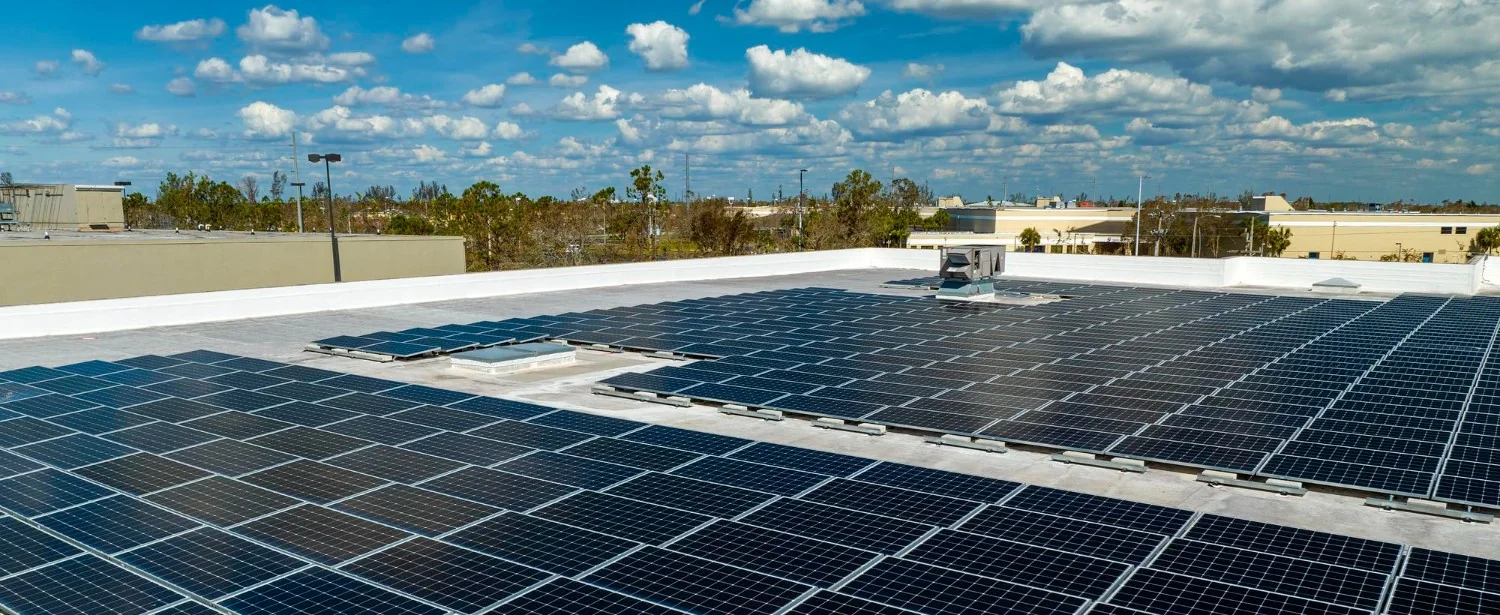
<ul><li><i>India’s rooftop solar capacity reached 30.7 GW in July 2026, increasing the need for better grid management and flexibility.</i></li><li><i>Kerala and Maharashtra are exploring battery ener…
• 𝘛𝘩𝘦 𝘌𝘐𝘉 𝘎𝘳𝘰𝘶𝘱 𝘱𝘭𝘢𝘯𝘴 𝘵𝘰 𝘱𝘳𝘰𝘷𝘪𝘥𝘦 𝘢𝘵 𝘭𝘦𝘢𝘴𝘵 €30 𝘣𝘪𝘭𝘭𝘪𝘰𝘯 𝘧𝘰𝘳 𝘤𝘭𝘪𝘮𝘢𝘵𝘦 𝘢𝘥𝘢𝘱𝘵𝘢𝘵𝘪𝘰𝘯 𝘣𝘦𝘵𝘸𝘦𝘦𝘯 2026 𝘢𝘯𝘥 2030. • 𝘛𝘩𝘦 𝘯𝘦𝘸 𝘵𝘢𝘳𝘨𝘦𝘵 𝘥𝘰𝘶𝘣𝘭𝘦𝘴 𝘢𝘥𝘢𝘱𝘵𝘢𝘵𝘪𝘰𝘯 𝘧𝘪𝘯𝘢𝘯𝘤𝘪𝘯𝘨 𝘤𝘰𝘮𝘱𝘢𝘳𝘦𝘥 𝘸𝘪𝘵𝘩 𝘵𝘩𝘦 𝘱𝘳𝘦𝘷𝘪𝘰𝘶𝘴 𝘧𝘪𝘷𝘦-𝘺𝘦𝘢𝘳 𝘱𝘦𝘳𝘪𝘰𝘥. • 𝘍𝘶𝘯𝘥𝘪𝘯𝘨…