

05 August 2026
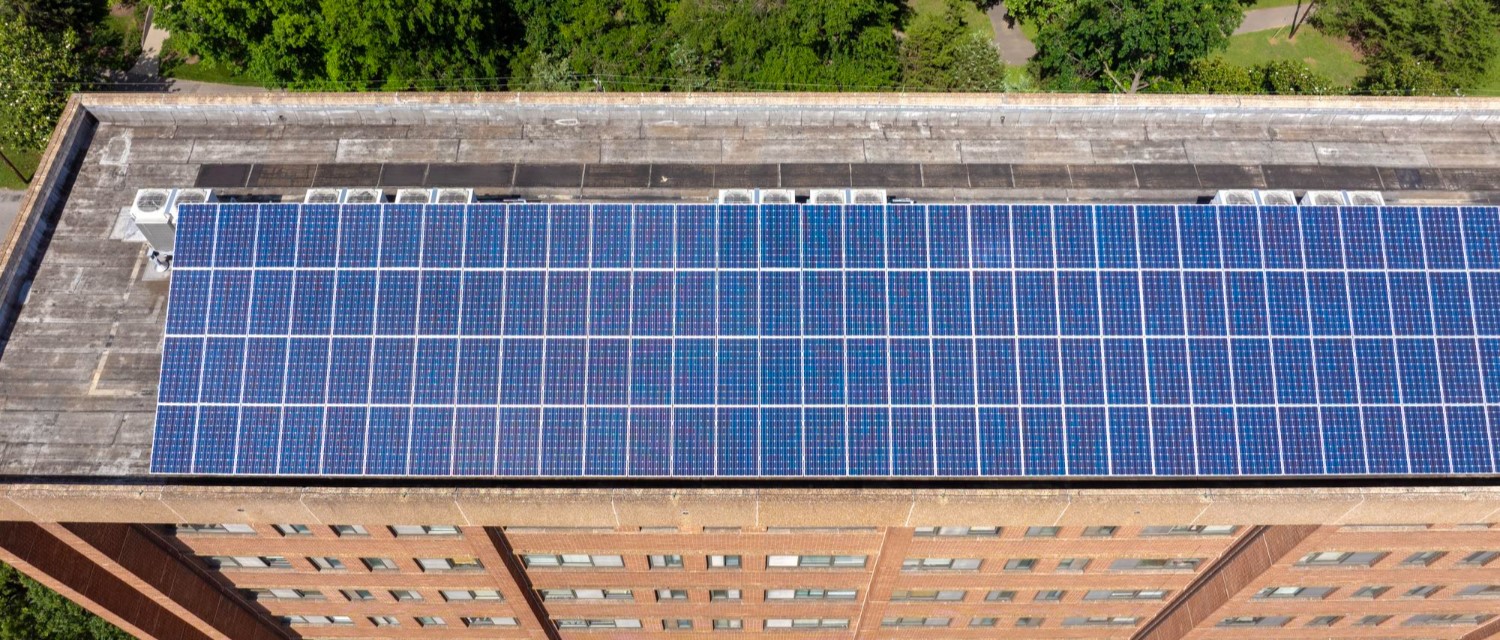
India is aiming to add a record 20 GW of distributed renewable energy (DRE) capacity during the current financial year, marking a significant step forward in the country's clean energy transition. The ambitious target reflects the government's continued focus on expanding decentralized renewable energy systems, particularly rooftop solar and small-scale renewable projects that can deliver reliable, affordable, and sustainable electricity closer to consumers.
Speaking at an industry event, Renewable Energy Secretary Santosh Kumar Sarangi said the country is on track to surpass last year's distributed renewable energy additions, driven by strong policy support and increasing adoption across residential, commercial, agricultural, and industrial sectors. The planned capacity addition represents a substantial increase over the approximately 16 GW installed in the previous fiscal year.
The growth is expected to be supported by flagship government initiatives such as the PM Surya Ghar: Muft Bijli Yojana, which promotes rooftop solar installations for households, and the PM-KUSUM scheme, which encourages the deployment of solar-powered pumps and decentralized renewable energy solutions for the agriculture sector. These programmes are helping expand clean energy access while reducing dependence on conventional power sources.
Distributed renewable energy systems play a crucial role in improving grid resilience, lowering transmission losses, and providing electricity to underserved and remote communities. They also enable consumers to generate their own power, reduce electricity costs, and contribute to India's broader climate and energy security objectives.
The planned expansion reinforces India's commitment to accelerating renewable energy deployment and achieving its long-term clean energy targets. By scaling up decentralized renewable infrastructure, the government aims to strengthen energy access, support sustainable economic growth, and advance the country's transition toward a low-carbon energy future.
20 GW of distributed renewable capacity changes the whole grid-integration and financing story, and it opens investment discussions across rooftop, C&I and community-scale segments. Our energy-transition and responsible-investment teams help clients evaluate distributed-renewable positioning and disclosure alignment.
• 𝘔𝘢𝘭𝘢𝘺𝘴𝘪𝘢’𝘴 𝘕𝘢𝘵𝘶𝘳𝘢𝘭 𝘙𝘦𝘴𝘰𝘶𝘳𝘤𝘦𝘴 𝘢𝘯𝘥 𝘌𝘯𝘷𝘪𝘳𝘰𝘯𝘮𝘦𝘯𝘵𝘢𝘭 𝘚𝘶𝘴𝘵𝘢𝘪𝘯𝘢𝘣𝘪𝘭𝘪𝘵𝘺 (𝘕𝘙𝘌𝘚) 𝘔𝘪𝘯𝘪𝘴𝘵𝘳𝘺 𝘪𝘴 𝘱𝘶𝘳𝘴𝘶𝘪𝘯𝘨 𝘵𝘸𝘰 𝘮𝘢𝘫𝘰𝘳 𝘪𝘵𝘦𝘮𝘴 𝘶𝘯𝘥𝘦𝘳 𝘵𝘩𝘦 𝘔𝘢𝘭𝘢𝘺𝘴𝘪𝘢 𝘈𝘨𝘳𝘦𝘦𝘮𝘦𝘯𝘵 1963 (𝘔𝘈63), 𝘪𝘯𝘤𝘭𝘶𝘥𝘪𝘯𝘨 𝘵𝘩𝘦 𝘳𝘦𝘵𝘶𝘳𝘯 𝘰𝘧 𝘍𝘦𝘥𝘦𝘳𝘢𝘭 𝘭𝘢𝘯𝘥 𝘢𝘯𝘥 𝘥𝘦𝘷𝘰𝘭𝘶𝘵𝘪𝘰…

• 𝘋𝘶𝘣𝘢𝘪’𝘴 𝘋𝘦𝘱𝘢𝘳𝘵𝘮𝘦𝘯𝘵 𝘰𝘧 𝘌𝘤𝘰𝘯𝘰𝘮𝘺 𝘢𝘯𝘥 𝘛𝘰𝘶𝘳𝘪𝘴𝘮 (𝘋𝘌𝘛) 𝘩𝘢𝘴 𝘭𝘢𝘶𝘯𝘤𝘩𝘦𝘥 𝘵𝘸𝘰 𝘯𝘦𝘸 𝘴𝘶𝘴𝘵𝘢𝘪𝘯𝘢𝘣𝘪𝘭𝘪𝘵𝘺 𝘤𝘰𝘶𝘳𝘴𝘦𝘴 𝘧𝘰𝘳 𝘵𝘰𝘶𝘳𝘪𝘴𝘮 𝘢𝘯𝘥 𝘩𝘰𝘴𝘱𝘪𝘵𝘢𝘭𝘪𝘵𝘺 𝘱𝘳𝘰𝘧𝘦𝘴𝘴𝘪𝘰𝘯𝘢𝘭𝘴 𝘶𝘯𝘥𝘦𝘳 𝘪𝘵𝘴 𝘋𝘶𝘣𝘢𝘪 𝘚𝘶𝘴𝘵𝘢𝘪𝘯𝘢𝘣𝘭𝘦 𝘛𝘰𝘶𝘳𝘪𝘴𝘮 (𝘋𝘚𝘛) 𝘪𝘯𝘪𝘵𝘪𝘢𝘵𝘪𝘷𝘦. • 𝘛𝘩𝘦 𝘱𝘳𝘰𝘨…
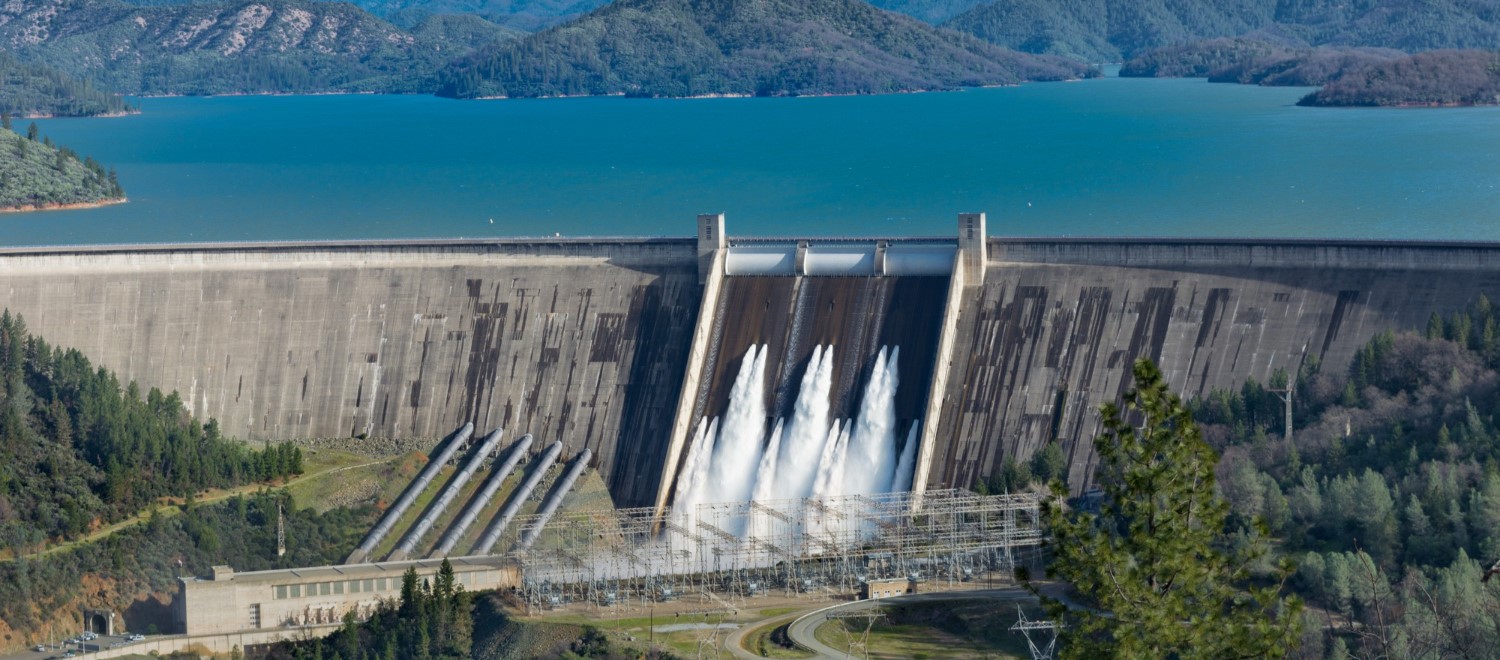
• 𝘚𝘪𝘹 𝘴𝘵𝘢𝘵𝘦𝘴 𝘴𝘪𝘨𝘯𝘦𝘥 𝘢𝘯 𝘪𝘯𝘵𝘦𝘳-𝘴𝘵𝘢𝘵𝘦 𝘢𝘨𝘳𝘦𝘦𝘮𝘦𝘯𝘵 𝘧𝘰𝘳 𝘵𝘩𝘦 𝘭𝘰𝘯𝘨-𝘢𝘸𝘢𝘪𝘵𝘦𝘥 𝘒𝘪𝘴𝘩𝘢𝘶 𝘔𝘶𝘭𝘵𝘪𝘱𝘶𝘳𝘱𝘰𝘴𝘦 𝘗𝘳𝘰𝘫𝘦𝘤𝘵. • 𝘛𝘩𝘦 𝘢𝘨𝘳𝘦𝘦𝘮𝘦𝘯𝘵 𝘸𝘢𝘴 𝘴𝘪𝘨𝘯𝘦𝘥 𝘪𝘯 𝘵𝘩𝘦 𝘱𝘳𝘦𝘴𝘦𝘯𝘤𝘦 𝘰𝘧 𝘜𝘯𝘪𝘰𝘯 𝘏𝘰𝘮𝘦 𝘔𝘪𝘯𝘪𝘴𝘵𝘦𝘳 𝘈𝘮𝘪𝘵 𝘚𝘩𝘢𝘩 𝘢𝘯𝘥 𝘜𝘯𝘪𝘰𝘯 𝘑𝘢𝘭 𝘚𝘩𝘢𝘬𝘵𝘪 𝘔𝘪𝘯𝘪𝘴𝘵𝘦𝘳…