

28 July 2026
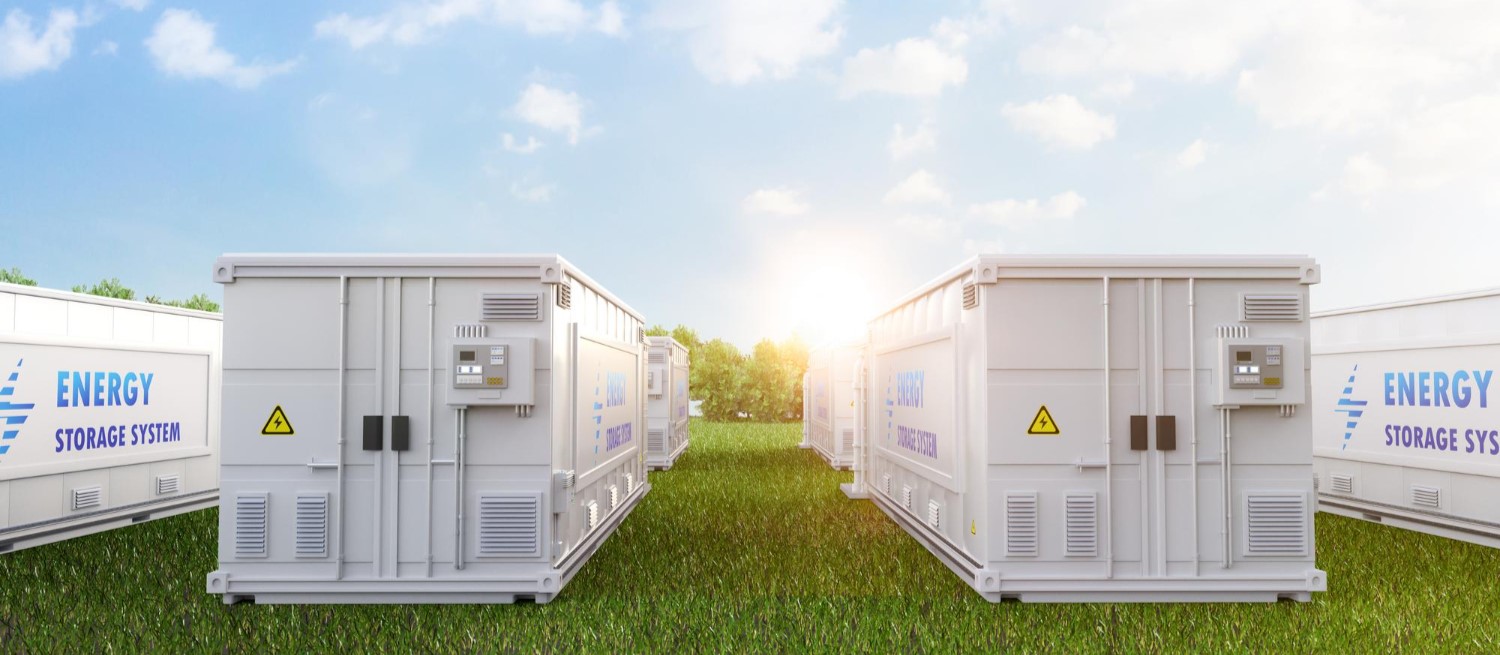
India is significantly strengthening its clean energy infrastructure with a robust pipeline of energy storage projects designed to support the country's rapidly expanding renewable energy capacity. The Ministry of Power informed Parliament that approximately 47 GW of Battery Energy Storage Systems (BESS) and 23 GW of Pumped Storage Projects (PSPs) are currently under development, taking the total planned energy storage capacity to around 70 GW.
Energy storage plays a vital role in India's transition to a cleaner power system by storing surplus electricity generated from renewable sources such as solar and wind and supplying it when demand is high or renewable generation is low. This helps maintain grid stability, improves the reliability of electricity supply, and enables greater integration of renewable energy into the national grid.
Battery Energy Storage Systems provide fast-response power and are well suited for balancing short-term fluctuations in renewable generation. Pumped Storage Projects, meanwhile, offer large-scale, long-duration energy storage by pumping water to an elevated reservoir during periods of excess electricity generation and releasing it to produce power when required.
The government has introduced supportive policies and planning measures to accelerate the deployment of energy storage infrastructure as part of India's broader clean energy strategy. These projects are expected to complement the country's renewable energy expansion, reduce dependence on fossil fuel-based power during peak demand, and enhance overall energy security.
The expanding energy storage pipeline marks another important step towards achieving India's ambitious clean energy and net-zero objectives while building a more resilient, flexible, and sustainable power system capable of meeting future electricity demand.
A 70 GW energy-storage pipeline shifts India's transition story from generation to firm-power delivery, which is exactly what the 500 GW-plus target needs. Our energy-transition and responsible-investment teams help clients evaluate storage-plus-renewable investment cases and hybrid PPA structuring.

• 𝘛𝘩𝘦 𝘜𝘈𝘌 𝘍𝘰𝘰𝘥 𝘉𝘢𝘯𝘬 𝘢𝘯𝘥 𝘋𝘶𝘣𝘢𝘪’𝘴 𝘊𝘰𝘮𝘮𝘶𝘯𝘪𝘵𝘺 𝘋𝘦𝘷𝘦𝘭𝘰𝘱𝘮𝘦𝘯𝘵 𝘈𝘶𝘵𝘩𝘰𝘳𝘪𝘵𝘺 (𝘊𝘋𝘈) 𝘩𝘢𝘷𝘦 𝘴𝘪𝘨𝘯𝘦𝘥 𝘢𝘯 𝘢𝘨𝘳𝘦𝘦𝘮𝘦𝘯𝘵 𝘵𝘰 𝘤𝘰𝘭𝘭𝘦𝘤𝘵 𝘢𝘯𝘥 𝘳𝘦𝘥𝘪𝘴𝘵𝘳𝘪𝘣𝘶𝘵𝘦 𝘴𝘶𝘳𝘱𝘭𝘶𝘴 𝘧𝘰𝘰𝘥 𝘧𝘳𝘰𝘮 𝘸𝘦𝘥𝘥𝘪𝘯𝘨𝘴 𝘢𝘯𝘥 𝘦𝘷𝘦𝘯𝘵𝘴. • 𝘛𝘩𝘦 𝘪𝘯𝘪𝘵𝘪𝘢𝘵𝘪𝘷𝘦 𝘸𝘪𝘭𝘭 𝘧𝘰𝘭𝘭𝘰𝘸 𝘢𝘱𝘱𝘳𝘰𝘷𝘦𝘥…

<ul><li><i>India’s rooftop solar capacity reached 30.7 GW in July 2026, increasing the need for better grid management and flexibility.</i></li><li><i>Kerala and Maharashtra are exploring battery ener…

• 𝘛𝘩𝘦 𝘌𝘐𝘉 𝘎𝘳𝘰𝘶𝘱 𝘱𝘭𝘢𝘯𝘴 𝘵𝘰 𝘱𝘳𝘰𝘷𝘪𝘥𝘦 𝘢𝘵 𝘭𝘦𝘢𝘴𝘵 €30 𝘣𝘪𝘭𝘭𝘪𝘰𝘯 𝘧𝘰𝘳 𝘤𝘭𝘪𝘮𝘢𝘵𝘦 𝘢𝘥𝘢𝘱𝘵𝘢𝘵𝘪𝘰𝘯 𝘣𝘦𝘵𝘸𝘦𝘦𝘯 2026 𝘢𝘯𝘥 2030. • 𝘛𝘩𝘦 𝘯𝘦𝘸 𝘵𝘢𝘳𝘨𝘦𝘵 𝘥𝘰𝘶𝘣𝘭𝘦𝘴 𝘢𝘥𝘢𝘱𝘵𝘢𝘵𝘪𝘰𝘯 𝘧𝘪𝘯𝘢𝘯𝘤𝘪𝘯𝘨 𝘤𝘰𝘮𝘱𝘢𝘳𝘦𝘥 𝘸𝘪𝘵𝘩 𝘵𝘩𝘦 𝘱𝘳𝘦𝘷𝘪𝘰𝘶𝘴 𝘧𝘪𝘷𝘦-𝘺𝘦𝘢𝘳 𝘱𝘦𝘳𝘪𝘰𝘥. • 𝘍𝘶𝘯𝘥𝘪𝘯𝘨…