


14 July 2026
India is preparing to mark a major milestone in sustainable transportation with the launch of its first hydrogen-powered train, expected to be inaugurated by Prime Minister Narendra Modi on 17 July in Haryana. Developed by Indian Railways, the train is designed to operate using hydrogen fuel-cell technology, reinforcing the country's commitment to cleaner mobility and reducing emissions from the rail sector.
The hydrogen-powered train will operate on the Jind–Sonipat route and is equipped with a 1,200-horsepower (HP) hydrogen engine, making it one of the most powerful hydrogen trains developed globally. The train has a maximum speed of 110 km/h and is designed to carry over 2,600 passengers, demonstrating that hydrogen-powered technology can support both environmental goals and practical transportation needs.
Unlike conventional diesel-powered trains, hydrogen fuel-cell trains generate electricity through a chemical reaction between hydrogen and oxygen, with water vapor and heat as the primary by-products at the point of use. This technology significantly reduces local air pollution and supports India's broader efforts to decarbonize public transport while advancing the objectives of the National Green Hydrogen Mission.
The launch reflects the government's continued investment in clean transportation, innovation, and energy transition. By introducing hydrogen-powered rail technology, India joins a select group of countries exploring hydrogen as a viable alternative fuel for the railway sector.
The initiative is expected to contribute to lower emissions, improved energy security, and the long-term development of sustainable rail infrastructure, supporting the country's vision for a low-carbon and environmentally responsible transport network.
First-mover hydrogen rail deployment gives Indian Railways a foothold in green mobility that will affect fleet strategy, hydrogen supply-chain investment and disclosure narratives over decades. Our energy-transition and supply-chain-and-operations teams help transport, energy and adjacent clients evaluate what hydrogen mobility deployment means for their transition planning.

• 𝘛𝘩𝘦 𝘜𝘈𝘌 𝘍𝘰𝘰𝘥 𝘉𝘢𝘯𝘬 𝘢𝘯𝘥 𝘋𝘶𝘣𝘢𝘪’𝘴 𝘊𝘰𝘮𝘮𝘶𝘯𝘪𝘵𝘺 𝘋𝘦𝘷𝘦𝘭𝘰𝘱𝘮𝘦𝘯𝘵 𝘈𝘶𝘵𝘩𝘰𝘳𝘪𝘵𝘺 (𝘊𝘋𝘈) 𝘩𝘢𝘷𝘦 𝘴𝘪𝘨𝘯𝘦𝘥 𝘢𝘯 𝘢𝘨𝘳𝘦𝘦𝘮𝘦𝘯𝘵 𝘵𝘰 𝘤𝘰𝘭𝘭𝘦𝘤𝘵 𝘢𝘯𝘥 𝘳𝘦𝘥𝘪𝘴𝘵𝘳𝘪𝘣𝘶𝘵𝘦 𝘴𝘶𝘳𝘱𝘭𝘶𝘴 𝘧𝘰𝘰𝘥 𝘧𝘳𝘰𝘮 𝘸𝘦𝘥𝘥𝘪𝘯𝘨𝘴 𝘢𝘯𝘥 𝘦𝘷𝘦𝘯𝘵𝘴. • 𝘛𝘩𝘦 𝘪𝘯𝘪𝘵𝘪𝘢𝘵𝘪𝘷𝘦 𝘸𝘪𝘭𝘭 𝘧𝘰𝘭𝘭𝘰𝘸 𝘢𝘱𝘱𝘳𝘰𝘷𝘦𝘥…
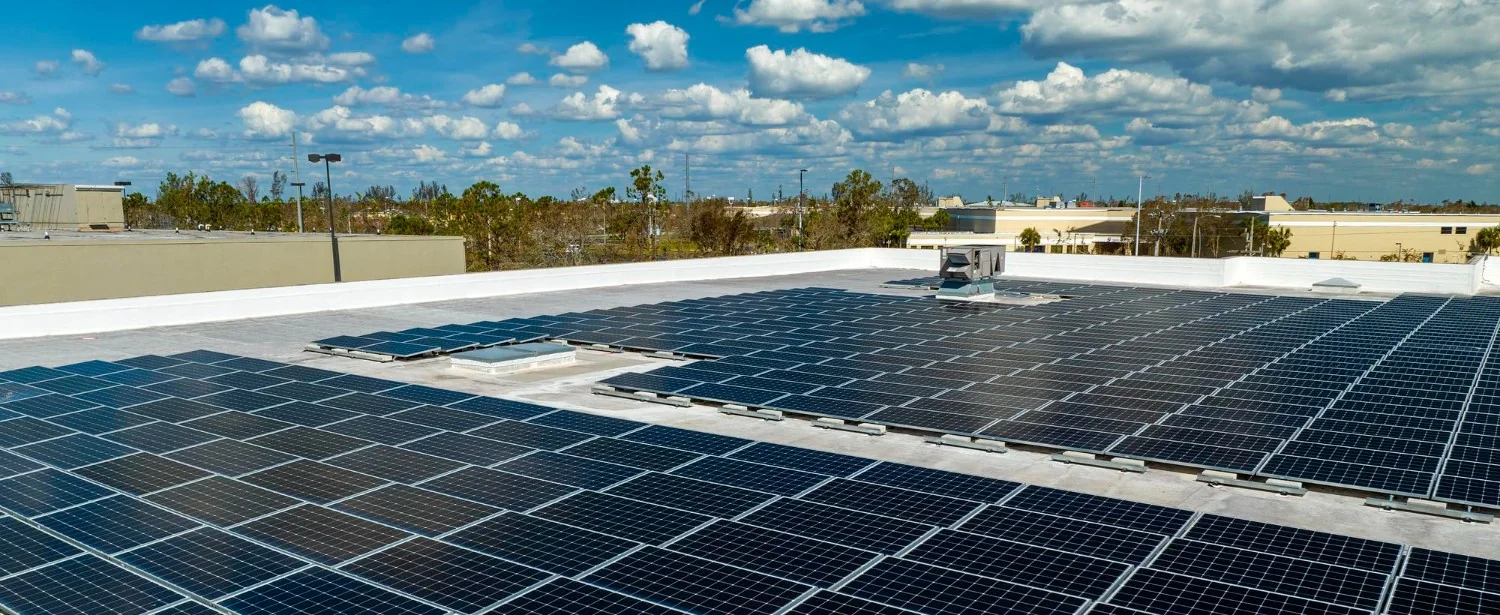
<ul><li><i>India’s rooftop solar capacity reached 30.7 GW in July 2026, increasing the need for better grid management and flexibility.</i></li><li><i>Kerala and Maharashtra are exploring battery ener…
• 𝘛𝘩𝘦 𝘌𝘐𝘉 𝘎𝘳𝘰𝘶𝘱 𝘱𝘭𝘢𝘯𝘴 𝘵𝘰 𝘱𝘳𝘰𝘷𝘪𝘥𝘦 𝘢𝘵 𝘭𝘦𝘢𝘴𝘵 €30 𝘣𝘪𝘭𝘭𝘪𝘰𝘯 𝘧𝘰𝘳 𝘤𝘭𝘪𝘮𝘢𝘵𝘦 𝘢𝘥𝘢𝘱𝘵𝘢𝘵𝘪𝘰𝘯 𝘣𝘦𝘵𝘸𝘦𝘦𝘯 2026 𝘢𝘯𝘥 2030. • 𝘛𝘩𝘦 𝘯𝘦𝘸 𝘵𝘢𝘳𝘨𝘦𝘵 𝘥𝘰𝘶𝘣𝘭𝘦𝘴 𝘢𝘥𝘢𝘱𝘵𝘢𝘵𝘪𝘰𝘯 𝘧𝘪𝘯𝘢𝘯𝘤𝘪𝘯𝘨 𝘤𝘰𝘮𝘱𝘢𝘳𝘦𝘥 𝘸𝘪𝘵𝘩 𝘵𝘩𝘦 𝘱𝘳𝘦𝘷𝘪𝘰𝘶𝘴 𝘧𝘪𝘷𝘦-𝘺𝘦𝘢𝘳 𝘱𝘦𝘳𝘪𝘰𝘥. • 𝘍𝘶𝘯𝘥𝘪𝘯𝘨…