

31 July 2026
Prime Minister Narendra Modi chaired a high-level review meeting to assess the potential impact of the ongoing West Asia conflict on India's economy, energy supplies, and the welfare of Indian citizens abroad. During the meeting, the Prime Minister directed relevant ministries to closely monitor the evolving situation while ensuring the country's preparedness to address any potential disruptions.
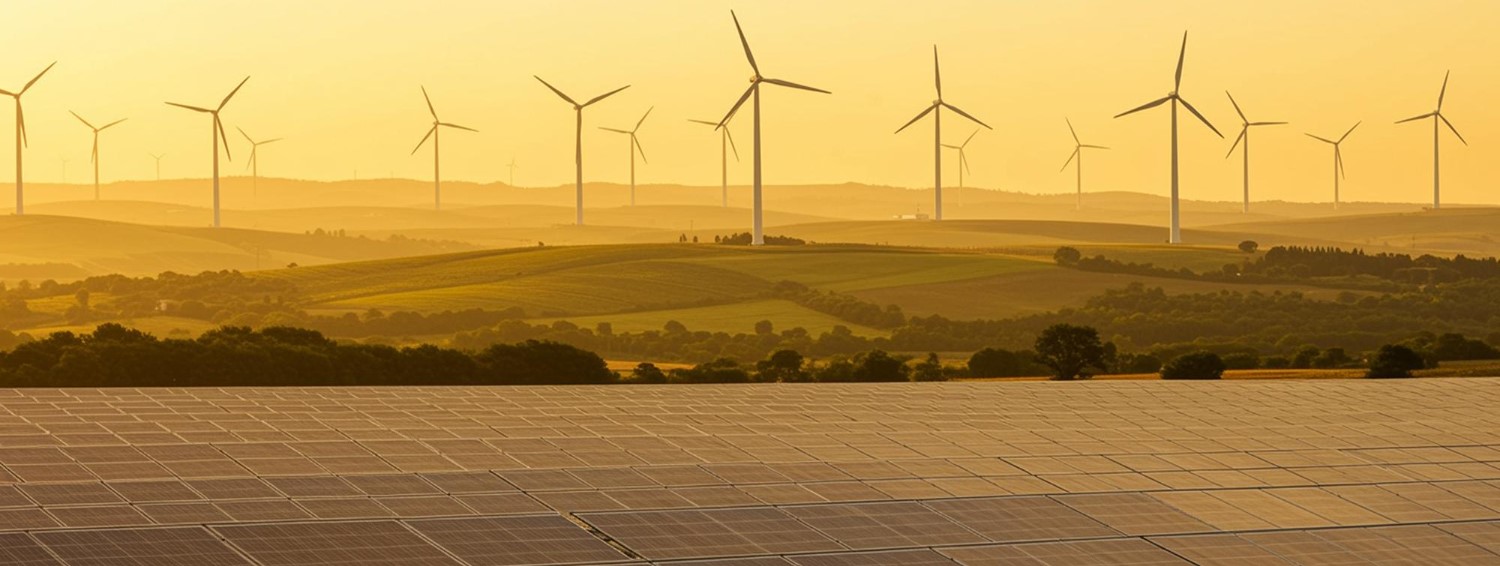
A key outcome of the review was the government's renewed emphasis on accelerating India's renewable energy transition. Recognizing the importance of reducing dependence on imported fossil fuels, the Prime Minister called for faster adoption of clean energy sources, including solar and other renewable technologies, to strengthen India's long-term energy security and improve resilience against global supply uncertainties.
The government also reviewed measures to safeguard Indian nationals in the affected region, maintain stable fuel availability, and monitor international energy markets. Officials were instructed to coordinate across ministries to ensure continuity of essential supplies and minimize any economic impact arising from geopolitical developments.
The renewed push for renewable energy aligns with India's broader climate and energy transition goals, supporting the expansion of domestic clean energy capacity, improving energy independence, and enhancing the country's ability to manage future global energy challenges.
By reinforcing investments in renewable energy and sustainable infrastructure, the government aims to build a more secure, reliable, and environmentally sustainable energy system while maintaining economic stability in the face of international uncertainties.
Sustained government reinforcement of the renewable transition matters most for capital-allocation confidence - lenders, IPPs and financial institutions all price policy consistency into transaction terms. Our energy-transition and market-intelligence teams help clients evaluate what policy signals mean for pipeline economics and disclosure narrative.

• 𝘛𝘩𝘦 𝘜𝘈𝘌 𝘍𝘰𝘰𝘥 𝘉𝘢𝘯𝘬 𝘢𝘯𝘥 𝘋𝘶𝘣𝘢𝘪’𝘴 𝘊𝘰𝘮𝘮𝘶𝘯𝘪𝘵𝘺 𝘋𝘦𝘷𝘦𝘭𝘰𝘱𝘮𝘦𝘯𝘵 𝘈𝘶𝘵𝘩𝘰𝘳𝘪𝘵𝘺 (𝘊𝘋𝘈) 𝘩𝘢𝘷𝘦 𝘴𝘪𝘨𝘯𝘦𝘥 𝘢𝘯 𝘢𝘨𝘳𝘦𝘦𝘮𝘦𝘯𝘵 𝘵𝘰 𝘤𝘰𝘭𝘭𝘦𝘤𝘵 𝘢𝘯𝘥 𝘳𝘦𝘥𝘪𝘴𝘵𝘳𝘪𝘣𝘶𝘵𝘦 𝘴𝘶𝘳𝘱𝘭𝘶𝘴 𝘧𝘰𝘰𝘥 𝘧𝘳𝘰𝘮 𝘸𝘦𝘥𝘥𝘪𝘯𝘨𝘴 𝘢𝘯𝘥 𝘦𝘷𝘦𝘯𝘵𝘴. • 𝘛𝘩𝘦 𝘪𝘯𝘪𝘵𝘪𝘢𝘵𝘪𝘷𝘦 𝘸𝘪𝘭𝘭 𝘧𝘰𝘭𝘭𝘰𝘸 𝘢𝘱𝘱𝘳𝘰𝘷𝘦𝘥…

<ul><li><i>India’s rooftop solar capacity reached 30.7 GW in July 2026, increasing the need for better grid management and flexibility.</i></li><li><i>Kerala and Maharashtra are exploring battery ener…

• 𝘛𝘩𝘦 𝘌𝘐𝘉 𝘎𝘳𝘰𝘶𝘱 𝘱𝘭𝘢𝘯𝘴 𝘵𝘰 𝘱𝘳𝘰𝘷𝘪𝘥𝘦 𝘢𝘵 𝘭𝘦𝘢𝘴𝘵 €30 𝘣𝘪𝘭𝘭𝘪𝘰𝘯 𝘧𝘰𝘳 𝘤𝘭𝘪𝘮𝘢𝘵𝘦 𝘢𝘥𝘢𝘱𝘵𝘢𝘵𝘪𝘰𝘯 𝘣𝘦𝘵𝘸𝘦𝘦𝘯 2026 𝘢𝘯𝘥 2030. • 𝘛𝘩𝘦 𝘯𝘦𝘸 𝘵𝘢𝘳𝘨𝘦𝘵 𝘥𝘰𝘶𝘣𝘭𝘦𝘴 𝘢𝘥𝘢𝘱𝘵𝘢𝘵𝘪𝘰𝘯 𝘧𝘪𝘯𝘢𝘯𝘤𝘪𝘯𝘨 𝘤𝘰𝘮𝘱𝘢𝘳𝘦𝘥 𝘸𝘪𝘵𝘩 𝘵𝘩𝘦 𝘱𝘳𝘦𝘷𝘪𝘰𝘶𝘴 𝘧𝘪𝘷𝘦-𝘺𝘦𝘢𝘳 𝘱𝘦𝘳𝘪𝘰𝘥. • 𝘍𝘶𝘯𝘥𝘪𝘯𝘨…