

11 August 2026
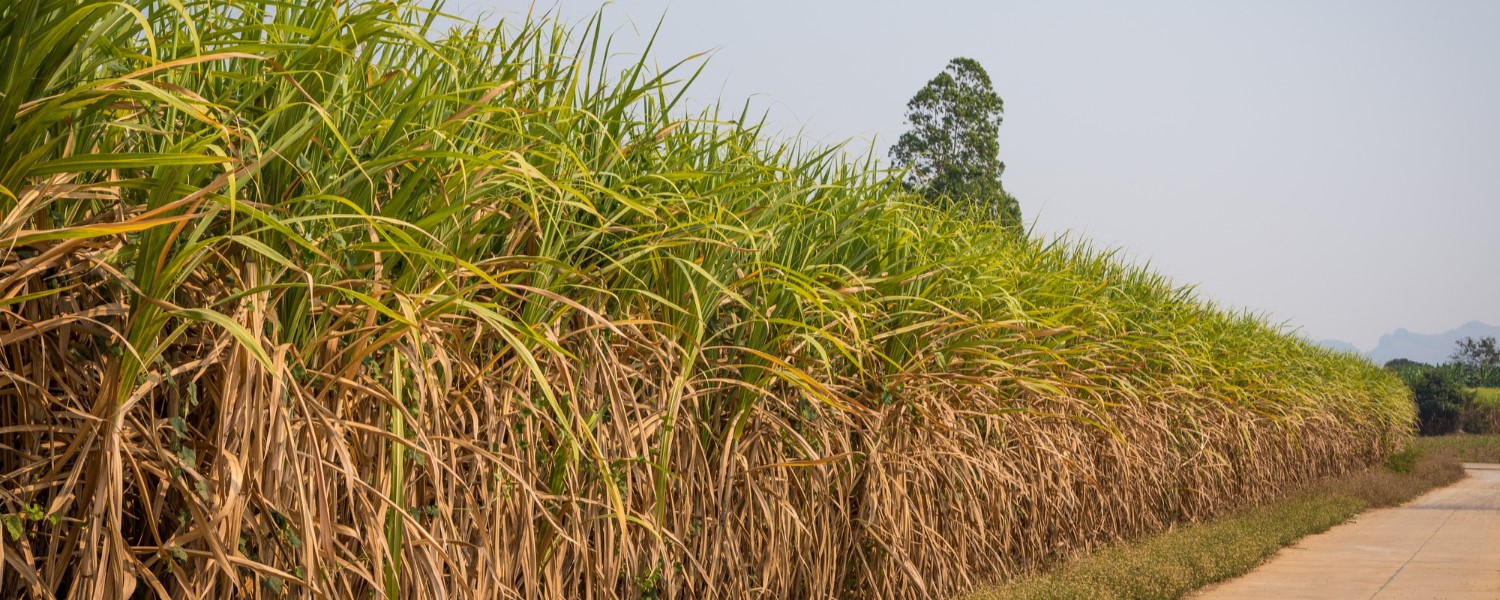
India is considering adjustments to its sugarcane-based ethanol policy for the 2026–27 season as it seeks to balance the country’s biofuel ambitions with domestic sugar availability. The proposed changes would reduce the amount of sugarcane diverted toward ethanol while allowing India to maintain its 20% ethanol blending target for petrol.
Under the proposed approach, India could encourage greater use of corn and rice as ethanol feedstocks, helping sustain ethanol production while reducing pressure on sugarcane supplies. The government is also considering prioritizing ethanol produced from C-heavy molasses, which is generated after most of the sugar has already been extracted from sugarcane.
The move comes as India faces concerns over sugar production following poor rainfall in major sugar-producing regions. Diverting less sugar toward ethanol could increase domestic sugar availability and help ease pressure on prices.
At the same time, the proposed strategy would allow India to continue advancing its ethanol-blending programme. Diversifying feedstocks could provide greater flexibility in the country's biofuel supply chain while reducing dependence on sugarcane for ethanol production.
The proposed policy reflects India’s efforts to balance clean-fuel development, agricultural resource use and domestic food supply. By adjusting the mix of ethanol feedstocks rather than reducing its overall blending ambition, India could continue supporting its transport-sector energy transition while responding to changing agricultural conditions.
India's ethanol policy is a live example of how climate targets, food security and rural income politics intersect, and the calibration will keep shifting as monsoon and sugar cycles play out. Our energy-transition and supply-chain-and-operations teams help sugar mills, oil marketing companies and biofuel investors evaluate what these recalibrations mean for feedstock strategy, offtake risk and BRSR reporting.

• 𝘛𝘩𝘦 𝘜𝘈𝘌 𝘍𝘰𝘰𝘥 𝘉𝘢𝘯𝘬 𝘢𝘯𝘥 𝘋𝘶𝘣𝘢𝘪’𝘴 𝘊𝘰𝘮𝘮𝘶𝘯𝘪𝘵𝘺 𝘋𝘦𝘷𝘦𝘭𝘰𝘱𝘮𝘦𝘯𝘵 𝘈𝘶𝘵𝘩𝘰𝘳𝘪𝘵𝘺 (𝘊𝘋𝘈) 𝘩𝘢𝘷𝘦 𝘴𝘪𝘨𝘯𝘦𝘥 𝘢𝘯 𝘢𝘨𝘳𝘦𝘦𝘮𝘦𝘯𝘵 𝘵𝘰 𝘤𝘰𝘭𝘭𝘦𝘤𝘵 𝘢𝘯𝘥 𝘳𝘦𝘥𝘪𝘴𝘵𝘳𝘪𝘣𝘶𝘵𝘦 𝘴𝘶𝘳𝘱𝘭𝘶𝘴 𝘧𝘰𝘰𝘥 𝘧𝘳𝘰𝘮 𝘸𝘦𝘥𝘥𝘪𝘯𝘨𝘴 𝘢𝘯𝘥 𝘦𝘷𝘦𝘯𝘵𝘴. • 𝘛𝘩𝘦 𝘪𝘯𝘪𝘵𝘪𝘢𝘵𝘪𝘷𝘦 𝘸𝘪𝘭𝘭 𝘧𝘰𝘭𝘭𝘰𝘸 𝘢𝘱𝘱𝘳𝘰𝘷𝘦𝘥…
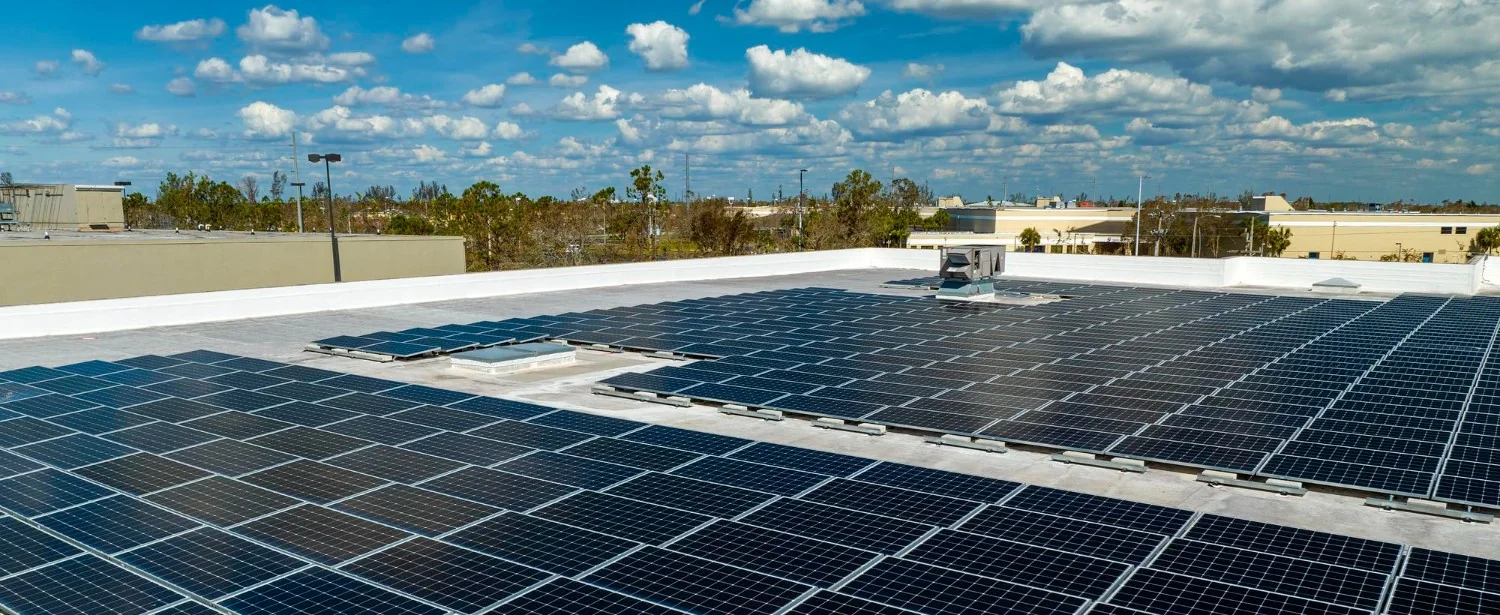
<ul><li><i>India’s rooftop solar capacity reached 30.7 GW in July 2026, increasing the need for better grid management and flexibility.</i></li><li><i>Kerala and Maharashtra are exploring battery ener…

• 𝘛𝘩𝘦 𝘌𝘐𝘉 𝘎𝘳𝘰𝘶𝘱 𝘱𝘭𝘢𝘯𝘴 𝘵𝘰 𝘱𝘳𝘰𝘷𝘪𝘥𝘦 𝘢𝘵 𝘭𝘦𝘢𝘴𝘵 €30 𝘣𝘪𝘭𝘭𝘪𝘰𝘯 𝘧𝘰𝘳 𝘤𝘭𝘪𝘮𝘢𝘵𝘦 𝘢𝘥𝘢𝘱𝘵𝘢𝘵𝘪𝘰𝘯 𝘣𝘦𝘵𝘸𝘦𝘦𝘯 2026 𝘢𝘯𝘥 2030. • 𝘛𝘩𝘦 𝘯𝘦𝘸 𝘵𝘢𝘳𝘨𝘦𝘵 𝘥𝘰𝘶𝘣𝘭𝘦𝘴 𝘢𝘥𝘢𝘱𝘵𝘢𝘵𝘪𝘰𝘯 𝘧𝘪𝘯𝘢𝘯𝘤𝘪𝘯𝘨 𝘤𝘰𝘮𝘱𝘢𝘳𝘦𝘥 𝘸𝘪𝘵𝘩 𝘵𝘩𝘦 𝘱𝘳𝘦𝘷𝘪𝘰𝘶𝘴 𝘧𝘪𝘷𝘦-𝘺𝘦𝘢𝘳 𝘱𝘦𝘳𝘪𝘰𝘥. • 𝘍𝘶𝘯𝘥𝘪𝘯𝘨…