


21 July 2026
India has formally ratified the World Trade Organization (WTO) Agreement on Fisheries Subsidies, becoming the 123rd member to accept the landmark global pact aimed at promoting sustainable fisheries and protecting marine ecosystems. The announcement was made during India's Trade Policy Review at the WTO, marking a significant step in the country's commitment to responsible ocean governance and sustainable economic development.
The WTO Fisheries Subsidies Agreement is the first multilateral trade agreement focused primarily on environmental sustainability. It seeks to eliminate harmful fisheries subsidies that contribute to illegal, unreported and unregulated (IUU) fishing, fishing of overexploited fish stocks, and unauthorized fishing activities on the high seas.
By discouraging practices that deplete marine resources, the agreement supports the long-term health of global fish populations and strengthens marine biodiversity conservation.
India's ratification reflects its support for balancing economic growth with environmental responsibility while safeguarding the livelihoods of millions of small-scale and traditional fishers. The government has emphasized that the agreement does not affect subsidies provided for aquaculture, inland fisheries, or resource-poor and artisanal fishing communities, ensuring continued support for vulnerable sections of the fisheries sector.
The move also reinforces India's commitment to achieving the United Nations Sustainable Development Goal (SDG) 14, Life Below Water, which calls for the conservation and sustainable use of oceans, seas, and marine resources. Sustainable fisheries contribute not only to biodiversity protection but also to food security, coastal livelihoods, and the resilience of marine ecosystems.
By joining the agreement, India strengthens its role in global efforts to combat overfishing and improve transparency in fisheries governance. The decision highlights the country's willingness to participate in international initiatives that encourage sustainable trade practices while protecting natural resources for future generations.
Overall, India's ratification of the WTO Fisheries Subsidies Agreement represents an important policy milestone that advances sustainable marine resource management, supports responsible fisheries, and reinforces the country's broader environmental and sustainability objectives.
WTO fisheries-subsidies ratification tightens sustainable-sourcing expectations for global seafood buyers, and it affects MSC and ASC-adjacent disclosure narratives for corporates with fisheries supply chains. Our supply-chain-and-operations and nature-based-solutions teams help clients evaluate what these frameworks mean for sourcing strategy.

• 𝘛𝘩𝘦 𝘜𝘈𝘌 𝘍𝘰𝘰𝘥 𝘉𝘢𝘯𝘬 𝘢𝘯𝘥 𝘋𝘶𝘣𝘢𝘪’𝘴 𝘊𝘰𝘮𝘮𝘶𝘯𝘪𝘵𝘺 𝘋𝘦𝘷𝘦𝘭𝘰𝘱𝘮𝘦𝘯𝘵 𝘈𝘶𝘵𝘩𝘰𝘳𝘪𝘵𝘺 (𝘊𝘋𝘈) 𝘩𝘢𝘷𝘦 𝘴𝘪𝘨𝘯𝘦𝘥 𝘢𝘯 𝘢𝘨𝘳𝘦𝘦𝘮𝘦𝘯𝘵 𝘵𝘰 𝘤𝘰𝘭𝘭𝘦𝘤𝘵 𝘢𝘯𝘥 𝘳𝘦𝘥𝘪𝘴𝘵𝘳𝘪𝘣𝘶𝘵𝘦 𝘴𝘶𝘳𝘱𝘭𝘶𝘴 𝘧𝘰𝘰𝘥 𝘧𝘳𝘰𝘮 𝘸𝘦𝘥𝘥𝘪𝘯𝘨𝘴 𝘢𝘯𝘥 𝘦𝘷𝘦𝘯𝘵𝘴. • 𝘛𝘩𝘦 𝘪𝘯𝘪𝘵𝘪𝘢𝘵𝘪𝘷𝘦 𝘸𝘪𝘭𝘭 𝘧𝘰𝘭𝘭𝘰𝘸 𝘢𝘱𝘱𝘳𝘰𝘷𝘦𝘥…
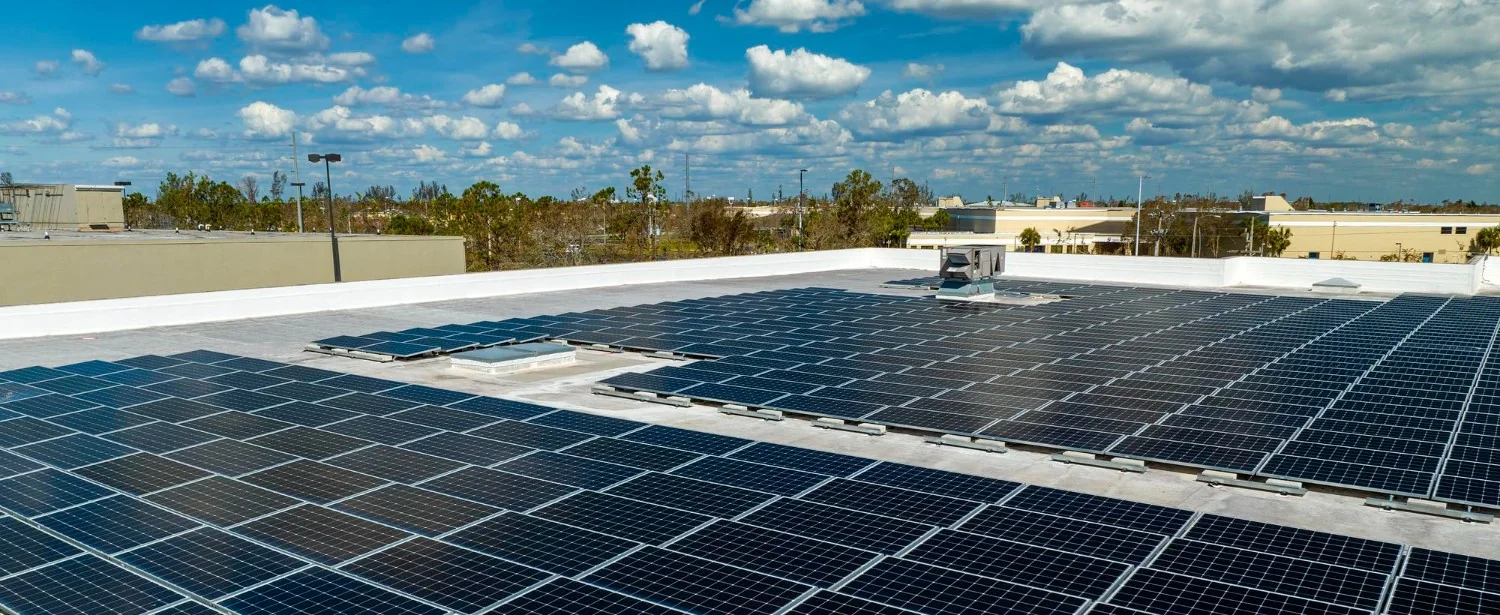
<ul><li><i>India’s rooftop solar capacity reached 30.7 GW in July 2026, increasing the need for better grid management and flexibility.</i></li><li><i>Kerala and Maharashtra are exploring battery ener…

• 𝘛𝘩𝘦 𝘌𝘐𝘉 𝘎𝘳𝘰𝘶𝘱 𝘱𝘭𝘢𝘯𝘴 𝘵𝘰 𝘱𝘳𝘰𝘷𝘪𝘥𝘦 𝘢𝘵 𝘭𝘦𝘢𝘴𝘵 €30 𝘣𝘪𝘭𝘭𝘪𝘰𝘯 𝘧𝘰𝘳 𝘤𝘭𝘪𝘮𝘢𝘵𝘦 𝘢𝘥𝘢𝘱𝘵𝘢𝘵𝘪𝘰𝘯 𝘣𝘦𝘵𝘸𝘦𝘦𝘯 2026 𝘢𝘯𝘥 2030. • 𝘛𝘩𝘦 𝘯𝘦𝘸 𝘵𝘢𝘳𝘨𝘦𝘵 𝘥𝘰𝘶𝘣𝘭𝘦𝘴 𝘢𝘥𝘢𝘱𝘵𝘢𝘵𝘪𝘰𝘯 𝘧𝘪𝘯𝘢𝘯𝘤𝘪𝘯𝘨 𝘤𝘰𝘮𝘱𝘢𝘳𝘦𝘥 𝘸𝘪𝘵𝘩 𝘵𝘩𝘦 𝘱𝘳𝘦𝘷𝘪𝘰𝘶𝘴 𝘧𝘪𝘷𝘦-𝘺𝘦𝘢𝘳 𝘱𝘦𝘳𝘪𝘰𝘥. • 𝘍𝘶𝘯𝘥𝘪𝘯𝘨…