

23 June 2026
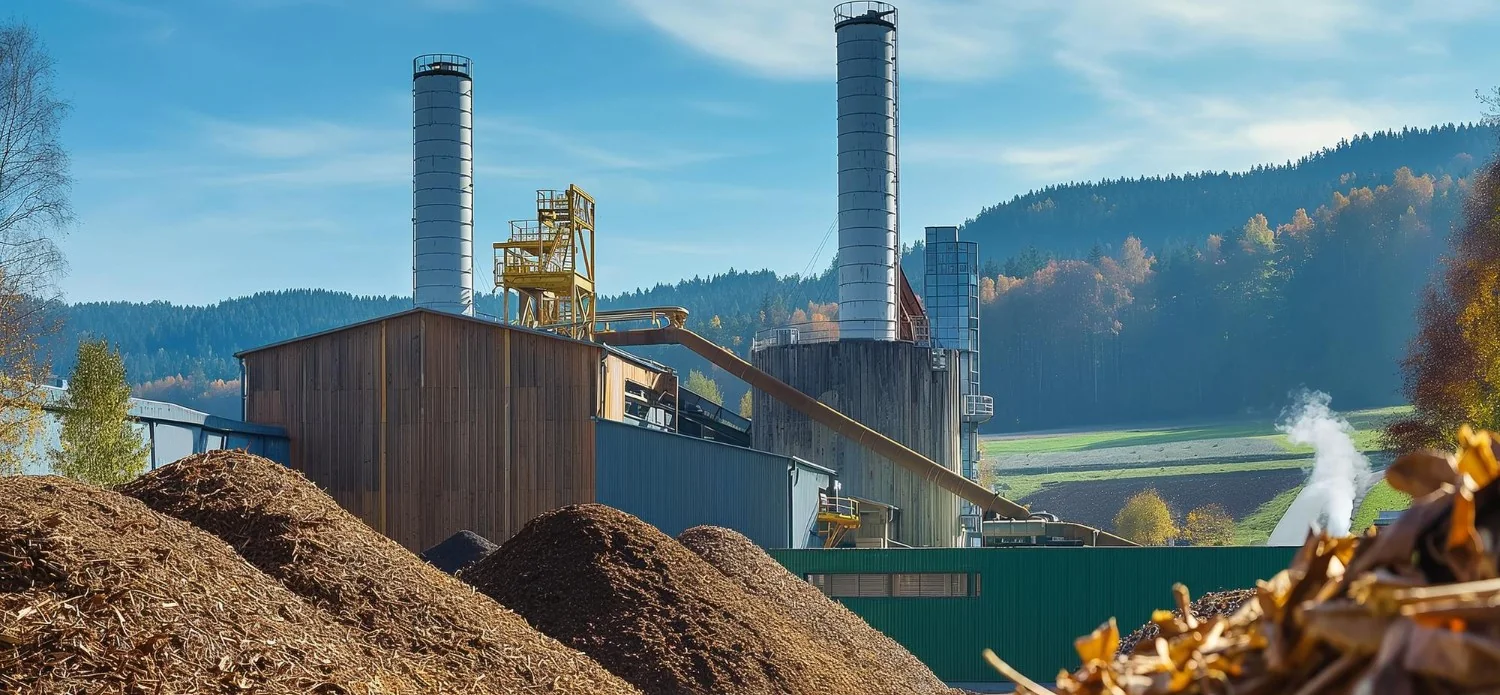
Union Minister Pralhad Joshi has urged officials to accelerate India’s bioenergy initiatives under the National Bioenergy Programme, emphasizing the need to scale up efforts beyond traditional bagasse-based projects. During a review meeting, he directed stakeholders to strengthen the implementation of bioenergy projects and improve overall execution efficiency.
A key focus of the discussion was expanding the scope of bioenergy generation from diverse sources. While bagasse (a byproduct of sugarcane) has been a major input for bioenergy production, the minister highlighted the importance of increasing reliance on non-bagasse biomass sources, such as agricultural residues, crop waste, and other organic materials. This shift is intended to make bioenergy production more inclusive, sustainable, and less dependent on a single feedstock.
The initiative aligns with India’s broader clean energy and climate goals, aiming to reduce agricultural waste burning, promote rural income opportunities, and strengthen the renewable energy mix. Officials were instructed to enhance coordination and ensure faster implementation of ongoing and upcoming projects in the sector.
Overall, the meeting reflects the government’s continued push toward waste-to-energy solutions and diversified renewable energy development, reinforcing bioenergy as a key component of India’s transition to cleaner energy systems.
Diversifying beyond bagasse into broader agricultural-residue and organic-waste feedstock addresses the two structural limits of India's current bioenergy programme - seasonal availability and geographic concentration. Sugarcane residue is only available in cane-producing regions during specific windows; broader feedstock diversification enables more consistent year-round production across more states.
The waste-to-energy dimension delivers multiple co-benefits simultaneously. Reduced crop-residue burning improves air quality (a persistent public-health challenge across the Indo-Gangetic plains), rural income opportunities support agricultural livelihoods, and diversified feedstock reduces price volatility for bioenergy producers.
For bioenergy developers, agricultural aggregators, waste-management operators and financial institutions supporting India's bioenergy investment, Cognitud's energy transition, circular economy and supply chain and operations teams help clients evaluate multi-feedstock investment opportunities, structure supplier partnerships across agricultural value chains, and prepare disclosures aligned with BRSR, ISSB and jurisdictional bioenergy frameworks.

• 𝘛𝘩𝘦 𝘜𝘈𝘌 𝘍𝘰𝘰𝘥 𝘉𝘢𝘯𝘬 𝘢𝘯𝘥 𝘋𝘶𝘣𝘢𝘪’𝘴 𝘊𝘰𝘮𝘮𝘶𝘯𝘪𝘵𝘺 𝘋𝘦𝘷𝘦𝘭𝘰𝘱𝘮𝘦𝘯𝘵 𝘈𝘶𝘵𝘩𝘰𝘳𝘪𝘵𝘺 (𝘊𝘋𝘈) 𝘩𝘢𝘷𝘦 𝘴𝘪𝘨𝘯𝘦𝘥 𝘢𝘯 𝘢𝘨𝘳𝘦𝘦𝘮𝘦𝘯𝘵 𝘵𝘰 𝘤𝘰𝘭𝘭𝘦𝘤𝘵 𝘢𝘯𝘥 𝘳𝘦𝘥𝘪𝘴𝘵𝘳𝘪𝘣𝘶𝘵𝘦 𝘴𝘶𝘳𝘱𝘭𝘶𝘴 𝘧𝘰𝘰𝘥 𝘧𝘳𝘰𝘮 𝘸𝘦𝘥𝘥𝘪𝘯𝘨𝘴 𝘢𝘯𝘥 𝘦𝘷𝘦𝘯𝘵𝘴. • 𝘛𝘩𝘦 𝘪𝘯𝘪𝘵𝘪𝘢𝘵𝘪𝘷𝘦 𝘸𝘪𝘭𝘭 𝘧𝘰𝘭𝘭𝘰𝘸 𝘢𝘱𝘱𝘳𝘰𝘷𝘦𝘥…

<ul><li><i>India’s rooftop solar capacity reached 30.7 GW in July 2026, increasing the need for better grid management and flexibility.</i></li><li><i>Kerala and Maharashtra are exploring battery ener…

• 𝘛𝘩𝘦 𝘌𝘐𝘉 𝘎𝘳𝘰𝘶𝘱 𝘱𝘭𝘢𝘯𝘴 𝘵𝘰 𝘱𝘳𝘰𝘷𝘪𝘥𝘦 𝘢𝘵 𝘭𝘦𝘢𝘴𝘵 €30 𝘣𝘪𝘭𝘭𝘪𝘰𝘯 𝘧𝘰𝘳 𝘤𝘭𝘪𝘮𝘢𝘵𝘦 𝘢𝘥𝘢𝘱𝘵𝘢𝘵𝘪𝘰𝘯 𝘣𝘦𝘵𝘸𝘦𝘦𝘯 2026 𝘢𝘯𝘥 2030. • 𝘛𝘩𝘦 𝘯𝘦𝘸 𝘵𝘢𝘳𝘨𝘦𝘵 𝘥𝘰𝘶𝘣𝘭𝘦𝘴 𝘢𝘥𝘢𝘱𝘵𝘢𝘵𝘪𝘰𝘯 𝘧𝘪𝘯𝘢𝘯𝘤𝘪𝘯𝘨 𝘤𝘰𝘮𝘱𝘢𝘳𝘦𝘥 𝘸𝘪𝘵𝘩 𝘵𝘩𝘦 𝘱𝘳𝘦𝘷𝘪𝘰𝘶𝘴 𝘧𝘪𝘷𝘦-𝘺𝘦𝘢𝘳 𝘱𝘦𝘳𝘪𝘰𝘥. • 𝘍𝘶𝘯𝘥𝘪𝘯𝘨…