

27 August 2025
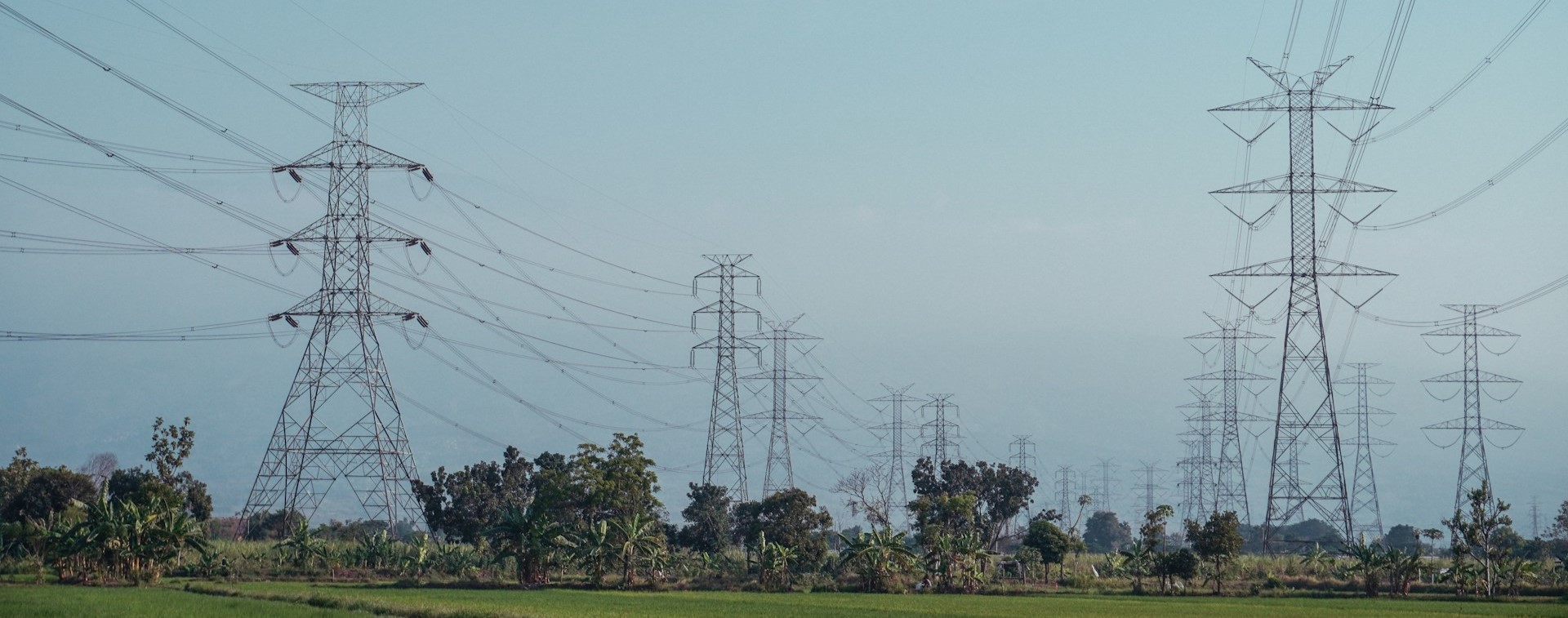
India is weighing the use of gas-fired power plants to handle peak electricity demand, despite the higher costs compared to coal and renewables. Gas now makes up only 1.5% of the country’s power mix, down from 3% in 2020, while coal still accounts for about 75%. At the same time, India is pushing to scale up renewable energy as part of its clean transition.
Ghanshyam Prasad, Chairman of the Central Electricity Authority, said the government has prepared a 100-day plan that allows gas plants to step in when required, with mechanisms to cover startup costs and price fluctuations. The effective grid-connected gas capacity is now around 20 GW, of which 13–14 GW was deployed last year during high demand.
Although favorable weather and slower demand growth reduced the need for gas this year, the government sees these plants as a flexible, lower-carbon alternative to coal. Their strategic use is intended to strengthen energy security while supporting India’s broader sustainability goals.
Reactivating gas-fired capacity for peak-demand balancing is a pragmatic response to the flexibility challenges India's grid faces as renewables scale. Gas plants can ramp up and down more quickly than coal, making them useful for filling the evening peak that coincides with declining solar output. The 100-day planning framework and mechanisms to cover startup costs address the historical friction that has kept many gas plants underutilised.
However, gas remains more expensive than coal or renewables in India, and long-term reliance on it creates exposure to imported LNG price volatility. Storage - particularly battery storage at scale - represents a lower-emissions, potentially lower-cost alternative for the same grid-balancing function over time, provided the deployment pace increases materially over the next few years.
For utilities, gas-power operators, storage developers and their financiers, Cognitud's energy transition, market intelligence and climate action teams help clients evaluate gas-vs-storage economics for peak-balancing applications, structure PPAs and firming service arrangements, and prepare disclosures that reflect the transitional role of gas alongside the longer-term trajectory toward storage-integrated renewable systems.

• 𝘛𝘩𝘦 𝘜𝘈𝘌 𝘍𝘰𝘰𝘥 𝘉𝘢𝘯𝘬 𝘢𝘯𝘥 𝘋𝘶𝘣𝘢𝘪’𝘴 𝘊𝘰𝘮𝘮𝘶𝘯𝘪𝘵𝘺 𝘋𝘦𝘷𝘦𝘭𝘰𝘱𝘮𝘦𝘯𝘵 𝘈𝘶𝘵𝘩𝘰𝘳𝘪𝘵𝘺 (𝘊𝘋𝘈) 𝘩𝘢𝘷𝘦 𝘴𝘪𝘨𝘯𝘦𝘥 𝘢𝘯 𝘢𝘨𝘳𝘦𝘦𝘮𝘦𝘯𝘵 𝘵𝘰 𝘤𝘰𝘭𝘭𝘦𝘤𝘵 𝘢𝘯𝘥 𝘳𝘦𝘥𝘪𝘴𝘵𝘳𝘪𝘣𝘶𝘵𝘦 𝘴𝘶𝘳𝘱𝘭𝘶𝘴 𝘧𝘰𝘰𝘥 𝘧𝘳𝘰𝘮 𝘸𝘦𝘥𝘥𝘪𝘯𝘨𝘴 𝘢𝘯𝘥 𝘦𝘷𝘦𝘯𝘵𝘴. • 𝘛𝘩𝘦 𝘪𝘯𝘪𝘵𝘪𝘢𝘵𝘪𝘷𝘦 𝘸𝘪𝘭𝘭 𝘧𝘰𝘭𝘭𝘰𝘸 𝘢𝘱𝘱𝘳𝘰𝘷𝘦𝘥…
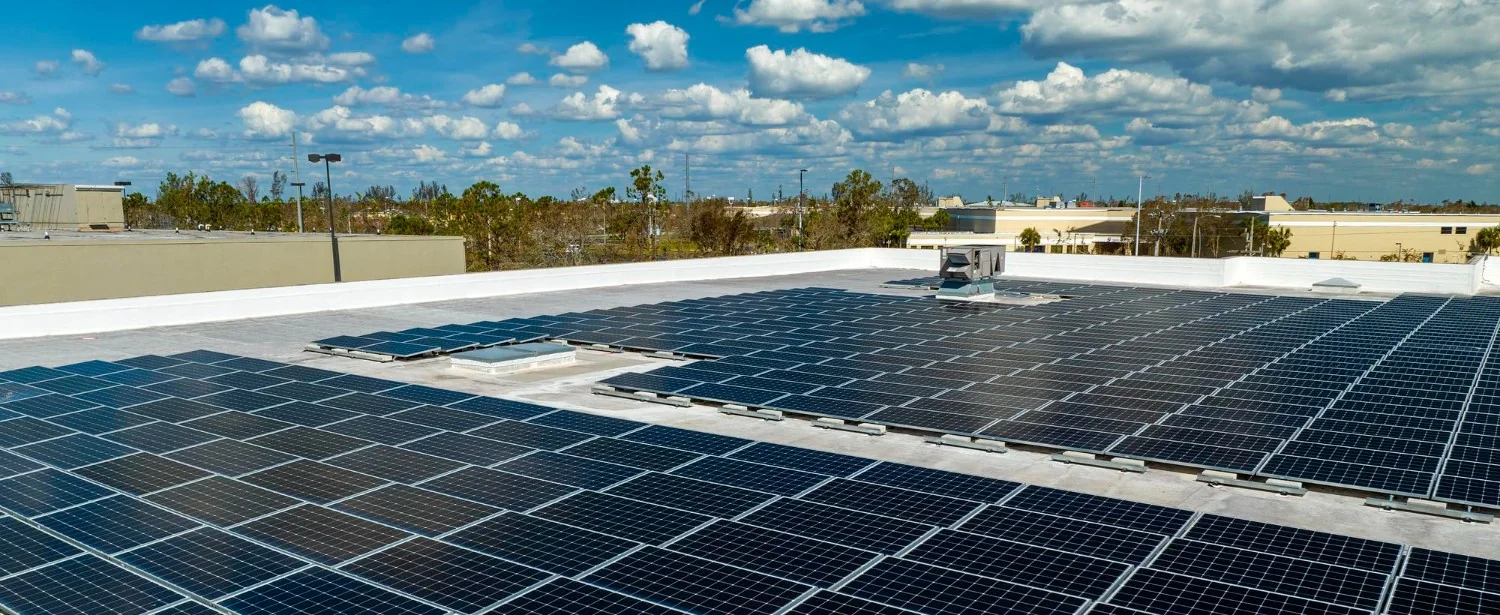
<ul><li><i>India’s rooftop solar capacity reached 30.7 GW in July 2026, increasing the need for better grid management and flexibility.</i></li><li><i>Kerala and Maharashtra are exploring battery ener…

• 𝘛𝘩𝘦 𝘌𝘐𝘉 𝘎𝘳𝘰𝘶𝘱 𝘱𝘭𝘢𝘯𝘴 𝘵𝘰 𝘱𝘳𝘰𝘷𝘪𝘥𝘦 𝘢𝘵 𝘭𝘦𝘢𝘴𝘵 €30 𝘣𝘪𝘭𝘭𝘪𝘰𝘯 𝘧𝘰𝘳 𝘤𝘭𝘪𝘮𝘢𝘵𝘦 𝘢𝘥𝘢𝘱𝘵𝘢𝘵𝘪𝘰𝘯 𝘣𝘦𝘵𝘸𝘦𝘦𝘯 2026 𝘢𝘯𝘥 2030. • 𝘛𝘩𝘦 𝘯𝘦𝘸 𝘵𝘢𝘳𝘨𝘦𝘵 𝘥𝘰𝘶𝘣𝘭𝘦𝘴 𝘢𝘥𝘢𝘱𝘵𝘢𝘵𝘪𝘰𝘯 𝘧𝘪𝘯𝘢𝘯𝘤𝘪𝘯𝘨 𝘤𝘰𝘮𝘱𝘢𝘳𝘦𝘥 𝘸𝘪𝘵𝘩 𝘵𝘩𝘦 𝘱𝘳𝘦𝘷𝘪𝘰𝘶𝘴 𝘧𝘪𝘷𝘦-𝘺𝘦𝘢𝘳 𝘱𝘦𝘳𝘪𝘰𝘥. • 𝘍𝘶𝘯𝘥𝘪𝘯𝘨…