


04 May 2026
Rajasthan has taken a significant step toward sustainable urban development with the release of a draft green building code aimed at improving energy efficiency and promoting clean infrastructure. The initiative, led by Rajasthan Renewable Energy Corporation Ltd, aligns with national sustainability goals and is currently open for public consultation.
The proposed code introduces mandatory provisions to make buildings more environmentally responsible. One of the key highlights is the requirement for electric vehicle (EV) readiness, where at least 20% of parking spaces in new buildings must be equipped to support EV charging infrastructure. This move is designed to accelerate the adoption of electric mobility and prepare cities for future transportation needs.
In addition, the draft mandates that a minimum of 4% of a building’s total energy consumption must come from renewable sources, encouraging developers to integrate solar and other clean energy solutions into their projects. The framework goes beyond energy use, also covering water conservation, waste management, and indoor environmental quality, making it a comprehensive sustainability guideline.
The code is based on national standards developed by the Bureau of Energy Efficiency, ensuring consistency with broader climate and energy policies. To encourage adoption, the government is also proposing incentives for developers, including additional built-up area allowances for projects that comply with green norms.
Overall, the draft policy reflects a proactive approach by the state to promote climate-resilient infrastructure, reduce carbon emissions, and support long-term urban sustainability. If implemented, it could play a key role in transforming building practices and accelerating India’s transition toward greener cities.
An EV-ready green building code changes what real-estate developers, tenants and financial institutions need to plan for, and it affects both Scope 2 and Scope 3 disclosure narratives simultaneously. Our climate-action and impact-assessment teams help clients evaluate what green-building code changes mean for real-estate strategy and disclosure.

• 𝘛𝘩𝘦 𝘜𝘈𝘌 𝘍𝘰𝘰𝘥 𝘉𝘢𝘯𝘬 𝘢𝘯𝘥 𝘋𝘶𝘣𝘢𝘪’𝘴 𝘊𝘰𝘮𝘮𝘶𝘯𝘪𝘵𝘺 𝘋𝘦𝘷𝘦𝘭𝘰𝘱𝘮𝘦𝘯𝘵 𝘈𝘶𝘵𝘩𝘰𝘳𝘪𝘵𝘺 (𝘊𝘋𝘈) 𝘩𝘢𝘷𝘦 𝘴𝘪𝘨𝘯𝘦𝘥 𝘢𝘯 𝘢𝘨𝘳𝘦𝘦𝘮𝘦𝘯𝘵 𝘵𝘰 𝘤𝘰𝘭𝘭𝘦𝘤𝘵 𝘢𝘯𝘥 𝘳𝘦𝘥𝘪𝘴𝘵𝘳𝘪𝘣𝘶𝘵𝘦 𝘴𝘶𝘳𝘱𝘭𝘶𝘴 𝘧𝘰𝘰𝘥 𝘧𝘳𝘰𝘮 𝘸𝘦𝘥𝘥𝘪𝘯𝘨𝘴 𝘢𝘯𝘥 𝘦𝘷𝘦𝘯𝘵𝘴. • 𝘛𝘩𝘦 𝘪𝘯𝘪𝘵𝘪𝘢𝘵𝘪𝘷𝘦 𝘸𝘪𝘭𝘭 𝘧𝘰𝘭𝘭𝘰𝘸 𝘢𝘱𝘱𝘳𝘰𝘷𝘦𝘥…
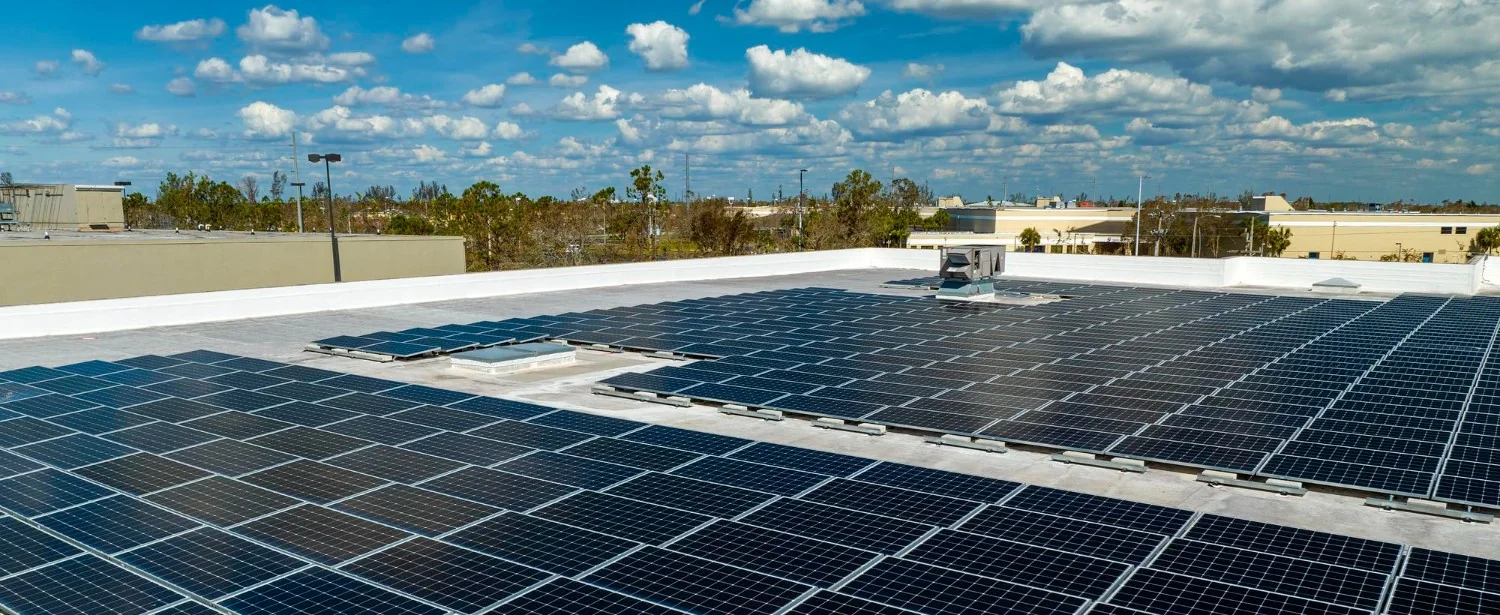
<ul><li><i>India’s rooftop solar capacity reached 30.7 GW in July 2026, increasing the need for better grid management and flexibility.</i></li><li><i>Kerala and Maharashtra are exploring battery ener…

• 𝘛𝘩𝘦 𝘌𝘐𝘉 𝘎𝘳𝘰𝘶𝘱 𝘱𝘭𝘢𝘯𝘴 𝘵𝘰 𝘱𝘳𝘰𝘷𝘪𝘥𝘦 𝘢𝘵 𝘭𝘦𝘢𝘴𝘵 €30 𝘣𝘪𝘭𝘭𝘪𝘰𝘯 𝘧𝘰𝘳 𝘤𝘭𝘪𝘮𝘢𝘵𝘦 𝘢𝘥𝘢𝘱𝘵𝘢𝘵𝘪𝘰𝘯 𝘣𝘦𝘵𝘸𝘦𝘦𝘯 2026 𝘢𝘯𝘥 2030. • 𝘛𝘩𝘦 𝘯𝘦𝘸 𝘵𝘢𝘳𝘨𝘦𝘵 𝘥𝘰𝘶𝘣𝘭𝘦𝘴 𝘢𝘥𝘢𝘱𝘵𝘢𝘵𝘪𝘰𝘯 𝘧𝘪𝘯𝘢𝘯𝘤𝘪𝘯𝘨 𝘤𝘰𝘮𝘱𝘢𝘳𝘦𝘥 𝘸𝘪𝘵𝘩 𝘵𝘩𝘦 𝘱𝘳𝘦𝘷𝘪𝘰𝘶𝘴 𝘧𝘪𝘷𝘦-𝘺𝘦𝘢𝘳 𝘱𝘦𝘳𝘪𝘰𝘥. • 𝘍𝘶𝘯𝘥𝘪𝘯𝘨…