

10 August 2026
India has crossed a major energy-transition milestone, with 300.50 GW of installed non-fossil electricity capacity as of July 31, marking a shift from simply expanding renewable generation toward building a power system capable of delivering clean electricity reliably.
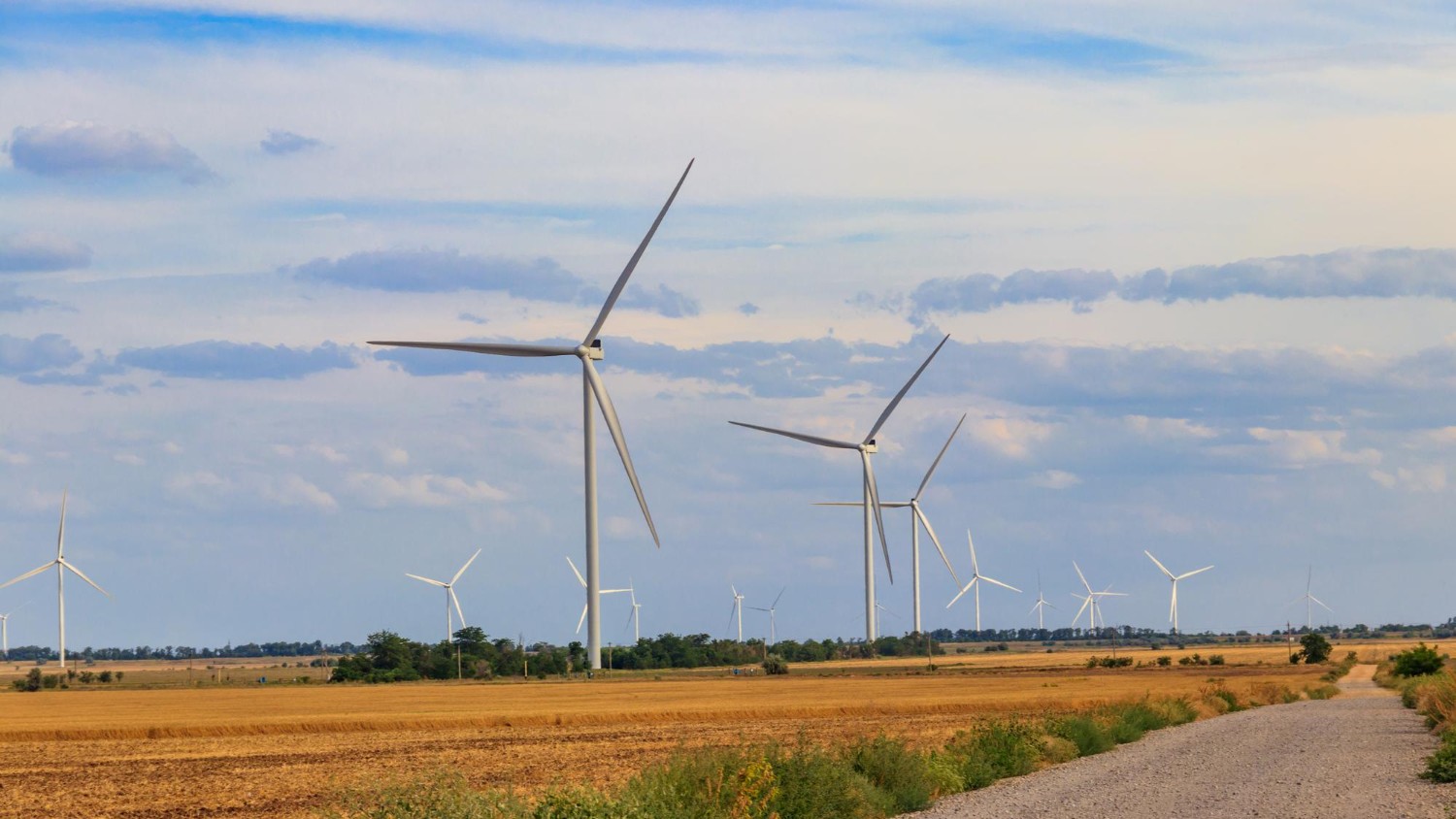
According to the Ministry of New and Renewable Energy, solar leads the country’s non-fossil capacity at 164.59 GW, followed by wind at 58.14 GW, hydropower at 57.24 GW, bio-power at 11.75 GW and nuclear power at 8.78 GW. With total installed generation capacity at around 552 GW, non-fossil sources now account for roughly 54% of India’s capacity mix.
The pace of expansion is accelerating. India added a record 55.29 GW of non-fossil capacity during 2025–26, including 44.6 GW of solar and 6 GW of wind. The country also reached 50% non-fossil installed capacity in June 2025, five years ahead of its Paris Agreement target timeline.
The next challenge, however, is turning capacity into dependable electricity. Rapid growth in variable solar and wind generation is increasing demand for transmission, energy storage, flexible generation, forecasting and advanced grid-management systems.
India is also strengthening its domestic clean-energy manufacturing base, with solar module capacity listed under the Approved List of Models and Manufacturers surpassing 200 GW.
Industry leaders say the next phase will require integrated projects combining generation, storage, forecasting and transmission, rather than standalone renewable assets. Green energy corridors, battery storage and pumped hydro are therefore becoming critical to ensuring India’s expanding clean-power fleet can meet demand when consumers need it most.
300 GW of non-fossil capacity is a genuine milestone, and grid-reliability challenges are now the binding constraint, not deployment pace. Our energy-transition and market-intelligence teams help clients evaluate what the shift to grid-first thinking means for storage investment, hybrid PPA design and Scope 2 procurement.

• 𝘛𝘩𝘦 𝘜𝘈𝘌 𝘍𝘰𝘰𝘥 𝘉𝘢𝘯𝘬 𝘢𝘯𝘥 𝘋𝘶𝘣𝘢𝘪’𝘴 𝘊𝘰𝘮𝘮𝘶𝘯𝘪𝘵𝘺 𝘋𝘦𝘷𝘦𝘭𝘰𝘱𝘮𝘦𝘯𝘵 𝘈𝘶𝘵𝘩𝘰𝘳𝘪𝘵𝘺 (𝘊𝘋𝘈) 𝘩𝘢𝘷𝘦 𝘴𝘪𝘨𝘯𝘦𝘥 𝘢𝘯 𝘢𝘨𝘳𝘦𝘦𝘮𝘦𝘯𝘵 𝘵𝘰 𝘤𝘰𝘭𝘭𝘦𝘤𝘵 𝘢𝘯𝘥 𝘳𝘦𝘥𝘪𝘴𝘵𝘳𝘪𝘣𝘶𝘵𝘦 𝘴𝘶𝘳𝘱𝘭𝘶𝘴 𝘧𝘰𝘰𝘥 𝘧𝘳𝘰𝘮 𝘸𝘦𝘥𝘥𝘪𝘯𝘨𝘴 𝘢𝘯𝘥 𝘦𝘷𝘦𝘯𝘵𝘴. • 𝘛𝘩𝘦 𝘪𝘯𝘪𝘵𝘪𝘢𝘵𝘪𝘷𝘦 𝘸𝘪𝘭𝘭 𝘧𝘰𝘭𝘭𝘰𝘸 𝘢𝘱𝘱𝘳𝘰𝘷𝘦𝘥…
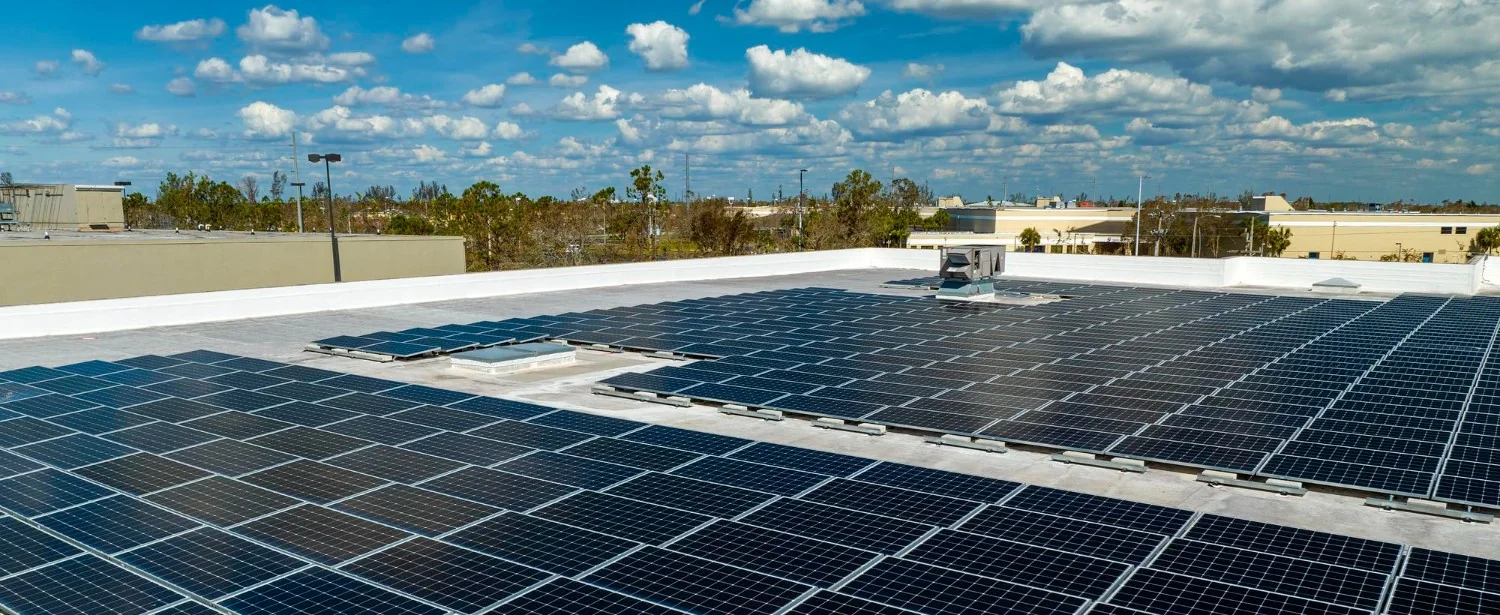
<ul><li><i>India’s rooftop solar capacity reached 30.7 GW in July 2026, increasing the need for better grid management and flexibility.</i></li><li><i>Kerala and Maharashtra are exploring battery ener…

• 𝘛𝘩𝘦 𝘌𝘐𝘉 𝘎𝘳𝘰𝘶𝘱 𝘱𝘭𝘢𝘯𝘴 𝘵𝘰 𝘱𝘳𝘰𝘷𝘪𝘥𝘦 𝘢𝘵 𝘭𝘦𝘢𝘴𝘵 €30 𝘣𝘪𝘭𝘭𝘪𝘰𝘯 𝘧𝘰𝘳 𝘤𝘭𝘪𝘮𝘢𝘵𝘦 𝘢𝘥𝘢𝘱𝘵𝘢𝘵𝘪𝘰𝘯 𝘣𝘦𝘵𝘸𝘦𝘦𝘯 2026 𝘢𝘯𝘥 2030. • 𝘛𝘩𝘦 𝘯𝘦𝘸 𝘵𝘢𝘳𝘨𝘦𝘵 𝘥𝘰𝘶𝘣𝘭𝘦𝘴 𝘢𝘥𝘢𝘱𝘵𝘢𝘵𝘪𝘰𝘯 𝘧𝘪𝘯𝘢𝘯𝘤𝘪𝘯𝘨 𝘤𝘰𝘮𝘱𝘢𝘳𝘦𝘥 𝘸𝘪𝘵𝘩 𝘵𝘩𝘦 𝘱𝘳𝘦𝘷𝘪𝘰𝘶𝘴 𝘧𝘪𝘷𝘦-𝘺𝘦𝘢𝘳 𝘱𝘦𝘳𝘪𝘰𝘥. • 𝘍𝘶𝘯𝘥𝘪𝘯𝘨…