

30 July 2026
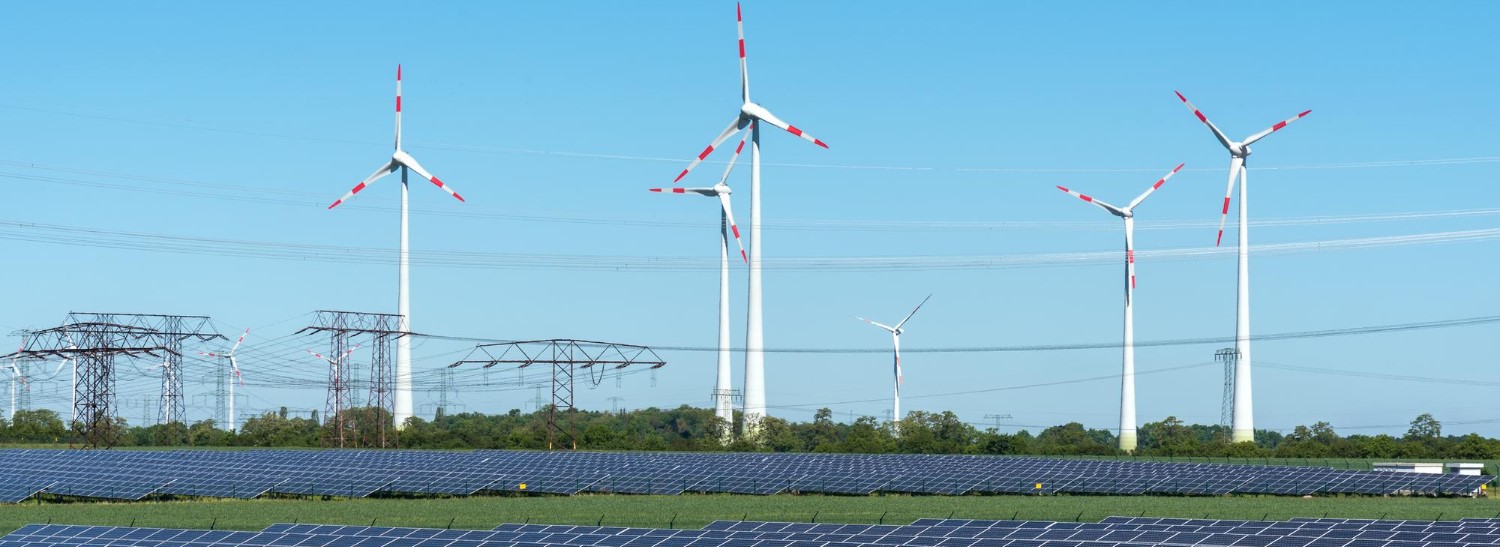
India has achieved a significant clean energy milestone by surpassing 100 GW of electricity generation from solar and wind power, demonstrating the rapid growth of renewable energy in the country's power mix.
During peak daytime hours, renewable sources generated 103.7 GW, meeting nearly 43% of national electricity demand-the highest share recorded so far. The achievement reflects years of government-backed investments in renewable energy capacity, transmission infrastructure, and policy support aimed at accelerating the country's energy transition.
The milestone also signals a shift in how India's electricity grid must operate. While abundant solar generation helps meet daytime demand, electricity output drops sharply in the evening as the sun sets, creating challenges in balancing supply with rising demand.
The article highlights the growing importance of flexible power systems, including battery energy storage, pumped hydro projects, demand-side management, and faster grid response to maintain reliable electricity supply during these transitions.
As renewable capacity continues to expand, strengthening the national transmission network will become increasingly important to move clean electricity from generation centres to demand hubs across the country. Better forecasting, advanced grid management technologies, and enhanced interstate connectivity will also play a critical role in integrating larger volumes of renewable energy while maintaining grid stability.
India's achievement underscores the progress made toward its long-term clean energy ambitions while emphasising that future success will depend not only on adding renewable capacity but also on modernising the power system. Continued investments in storage, flexible generation, and smart grid infrastructure will help maximise the benefits of renewable energy and support the country's transition towards a more sustainable, reliable, and low-carbon electricity sector.
100 GW of renewable generation is where grid-integration decisions become the binding constraint, and it changes storage, transmission and PPA planning priorities. Our energy-transition and responsible-investment teams help clients evaluate what grid-transformation dynamics mean for pipeline sequencing and Scope 2 procurement.

• 𝘛𝘩𝘦 𝘜𝘈𝘌 𝘍𝘰𝘰𝘥 𝘉𝘢𝘯𝘬 𝘢𝘯𝘥 𝘋𝘶𝘣𝘢𝘪’𝘴 𝘊𝘰𝘮𝘮𝘶𝘯𝘪𝘵𝘺 𝘋𝘦𝘷𝘦𝘭𝘰𝘱𝘮𝘦𝘯𝘵 𝘈𝘶𝘵𝘩𝘰𝘳𝘪𝘵𝘺 (𝘊𝘋𝘈) 𝘩𝘢𝘷𝘦 𝘴𝘪𝘨𝘯𝘦𝘥 𝘢𝘯 𝘢𝘨𝘳𝘦𝘦𝘮𝘦𝘯𝘵 𝘵𝘰 𝘤𝘰𝘭𝘭𝘦𝘤𝘵 𝘢𝘯𝘥 𝘳𝘦𝘥𝘪𝘴𝘵𝘳𝘪𝘣𝘶𝘵𝘦 𝘴𝘶𝘳𝘱𝘭𝘶𝘴 𝘧𝘰𝘰𝘥 𝘧𝘳𝘰𝘮 𝘸𝘦𝘥𝘥𝘪𝘯𝘨𝘴 𝘢𝘯𝘥 𝘦𝘷𝘦𝘯𝘵𝘴. • 𝘛𝘩𝘦 𝘪𝘯𝘪𝘵𝘪𝘢𝘵𝘪𝘷𝘦 𝘸𝘪𝘭𝘭 𝘧𝘰𝘭𝘭𝘰𝘸 𝘢𝘱𝘱𝘳𝘰𝘷𝘦𝘥…

<ul><li><i>India’s rooftop solar capacity reached 30.7 GW in July 2026, increasing the need for better grid management and flexibility.</i></li><li><i>Kerala and Maharashtra are exploring battery ener…

• 𝘛𝘩𝘦 𝘌𝘐𝘉 𝘎𝘳𝘰𝘶𝘱 𝘱𝘭𝘢𝘯𝘴 𝘵𝘰 𝘱𝘳𝘰𝘷𝘪𝘥𝘦 𝘢𝘵 𝘭𝘦𝘢𝘴𝘵 €30 𝘣𝘪𝘭𝘭𝘪𝘰𝘯 𝘧𝘰𝘳 𝘤𝘭𝘪𝘮𝘢𝘵𝘦 𝘢𝘥𝘢𝘱𝘵𝘢𝘵𝘪𝘰𝘯 𝘣𝘦𝘵𝘸𝘦𝘦𝘯 2026 𝘢𝘯𝘥 2030. • 𝘛𝘩𝘦 𝘯𝘦𝘸 𝘵𝘢𝘳𝘨𝘦𝘵 𝘥𝘰𝘶𝘣𝘭𝘦𝘴 𝘢𝘥𝘢𝘱𝘵𝘢𝘵𝘪𝘰𝘯 𝘧𝘪𝘯𝘢𝘯𝘤𝘪𝘯𝘨 𝘤𝘰𝘮𝘱𝘢𝘳𝘦𝘥 𝘸𝘪𝘵𝘩 𝘵𝘩𝘦 𝘱𝘳𝘦𝘷𝘪𝘰𝘶𝘴 𝘧𝘪𝘷𝘦-𝘺𝘦𝘢𝘳 𝘱𝘦𝘳𝘪𝘰𝘥. • 𝘍𝘶𝘯𝘥𝘪𝘯𝘨…