


13 July 2026
The Delhi government has approved a ₹17.6 crore initiative to develop smarter and greener roads across the city, reinforcing its commitment to sustainable urban infrastructure. The project aims to modernize road development by integrating environmentally responsible design principles while improving the overall quality, safety, and appearance of public roads.
As part of the initiative, standardized road design guidelines will be introduced to ensure consistency in construction and maintenance.
The plan emphasizes the inclusion of green landscaping, improved pedestrian infrastructure, efficient drainage systems, and better road engineering practices that enhance both functionality and environmental performance.
By adopting a structured approach to road development, the government seeks to create streets that are more resilient, accessible, and easier to maintain over the long term.
The initiative also supports Delhi's broader vision of building a cleaner and more sustainable urban environment. Increased roadside greenery can help improve air quality, reduce dust pollution, and mitigate the urban heat island effect, while better-designed roads are expected to enhance mobility and provide a safer experience for commuters, pedestrians, and cyclists.
Beyond infrastructure improvements, the project demonstrates how public investment can contribute to sustainable city planning by balancing urban growth with environmental considerations.
As cities continue to face challenges related to rapid urbanization and climate resilience, initiatives such as this highlight the growing role of green infrastructure in creating healthier and more livable communities.
The approved roadmap marks another step toward integrating sustainability into public infrastructure development and strengthening Delhi's long-term urban resilience.
Smart-and-green-road investment is the physical-infrastructure play that pairs with EV expansion and city-level decarbonisation, and it changes real-estate-corridor valuations. Our climate-action and impact-assessment teams help clients evaluate infrastructure-linked opportunities and disclosure alignment.

• 𝘛𝘩𝘦 𝘜𝘈𝘌 𝘍𝘰𝘰𝘥 𝘉𝘢𝘯𝘬 𝘢𝘯𝘥 𝘋𝘶𝘣𝘢𝘪’𝘴 𝘊𝘰𝘮𝘮𝘶𝘯𝘪𝘵𝘺 𝘋𝘦𝘷𝘦𝘭𝘰𝘱𝘮𝘦𝘯𝘵 𝘈𝘶𝘵𝘩𝘰𝘳𝘪𝘵𝘺 (𝘊𝘋𝘈) 𝘩𝘢𝘷𝘦 𝘴𝘪𝘨𝘯𝘦𝘥 𝘢𝘯 𝘢𝘨𝘳𝘦𝘦𝘮𝘦𝘯𝘵 𝘵𝘰 𝘤𝘰𝘭𝘭𝘦𝘤𝘵 𝘢𝘯𝘥 𝘳𝘦𝘥𝘪𝘴𝘵𝘳𝘪𝘣𝘶𝘵𝘦 𝘴𝘶𝘳𝘱𝘭𝘶𝘴 𝘧𝘰𝘰𝘥 𝘧𝘳𝘰𝘮 𝘸𝘦𝘥𝘥𝘪𝘯𝘨𝘴 𝘢𝘯𝘥 𝘦𝘷𝘦𝘯𝘵𝘴. • 𝘛𝘩𝘦 𝘪𝘯𝘪𝘵𝘪𝘢𝘵𝘪𝘷𝘦 𝘸𝘪𝘭𝘭 𝘧𝘰𝘭𝘭𝘰𝘸 𝘢𝘱𝘱𝘳𝘰𝘷𝘦𝘥…
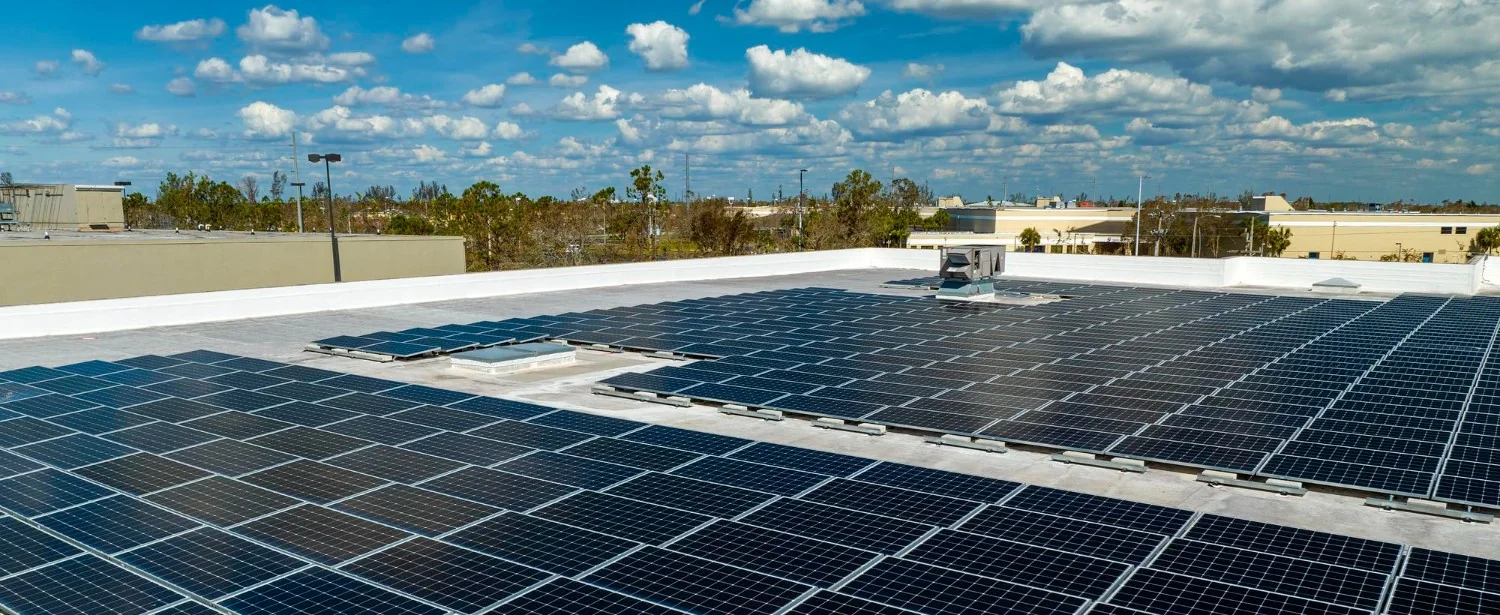
<ul><li><i>India’s rooftop solar capacity reached 30.7 GW in July 2026, increasing the need for better grid management and flexibility.</i></li><li><i>Kerala and Maharashtra are exploring battery ener…

• 𝘛𝘩𝘦 𝘌𝘐𝘉 𝘎𝘳𝘰𝘶𝘱 𝘱𝘭𝘢𝘯𝘴 𝘵𝘰 𝘱𝘳𝘰𝘷𝘪𝘥𝘦 𝘢𝘵 𝘭𝘦𝘢𝘴𝘵 €30 𝘣𝘪𝘭𝘭𝘪𝘰𝘯 𝘧𝘰𝘳 𝘤𝘭𝘪𝘮𝘢𝘵𝘦 𝘢𝘥𝘢𝘱𝘵𝘢𝘵𝘪𝘰𝘯 𝘣𝘦𝘵𝘸𝘦𝘦𝘯 2026 𝘢𝘯𝘥 2030. • 𝘛𝘩𝘦 𝘯𝘦𝘸 𝘵𝘢𝘳𝘨𝘦𝘵 𝘥𝘰𝘶𝘣𝘭𝘦𝘴 𝘢𝘥𝘢𝘱𝘵𝘢𝘵𝘪𝘰𝘯 𝘧𝘪𝘯𝘢𝘯𝘤𝘪𝘯𝘨 𝘤𝘰𝘮𝘱𝘢𝘳𝘦𝘥 𝘸𝘪𝘵𝘩 𝘵𝘩𝘦 𝘱𝘳𝘦𝘷𝘪𝘰𝘶𝘴 𝘧𝘪𝘷𝘦-𝘺𝘦𝘢𝘳 𝘱𝘦𝘳𝘪𝘰𝘥. • 𝘍𝘶𝘯𝘥𝘪𝘯𝘨…