

02 September 2025
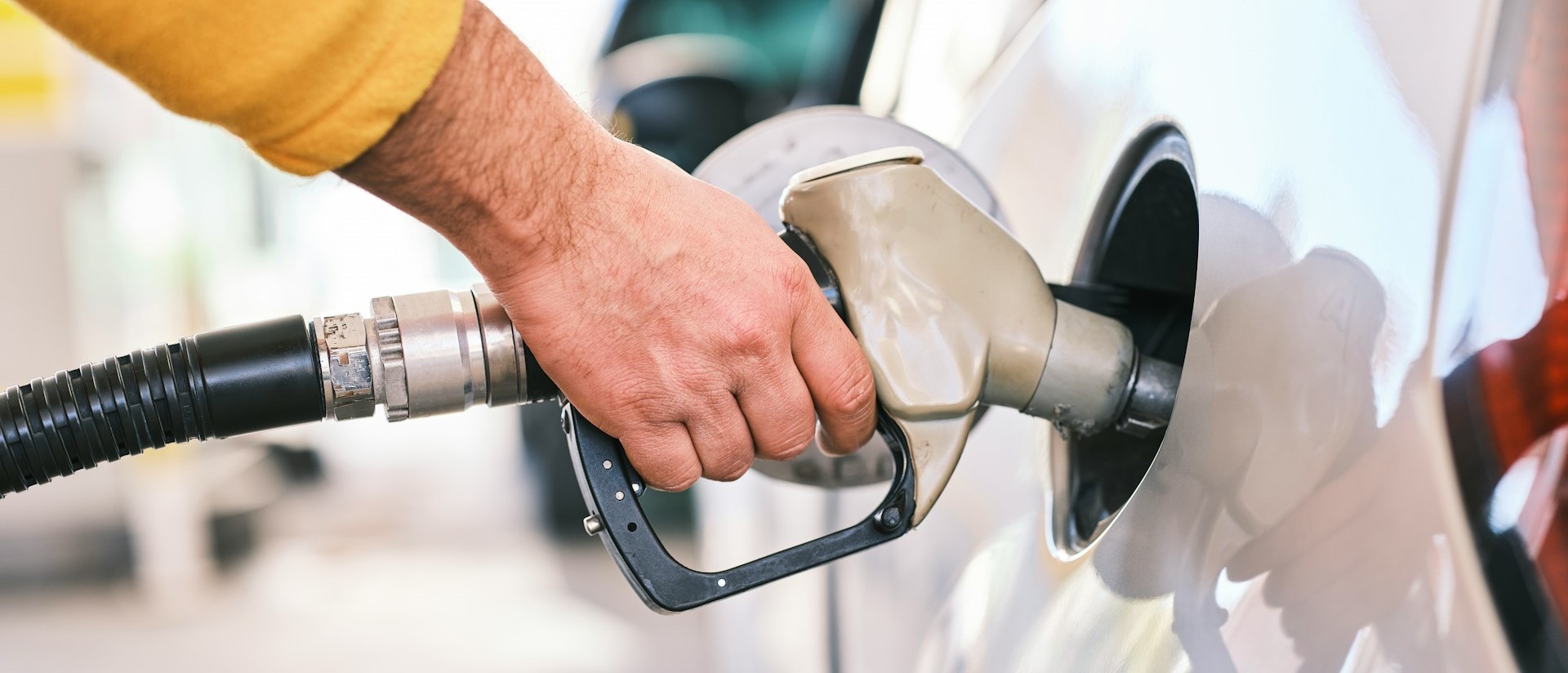
India’s Supreme Court has dismissed a petition against the rollout of 20% ethanol-blended fuel (E20), reinforcing the government’s clean energy goals. The move supports farmers supplying sugarcane for ethanol and reduces reliance on crude oil imports.
Industry groups assured that while older vehicles may see slightly lower mileage, E20 remains safe to use, marking a key step in India’s transition to sustainable mobility.
The rollout also positions India as a leader in adopting alternative fuels, contributing to lower greenhouse gas emissions and helping meet national targets for cleaner energy and sustainable growth.
India's E20 programme is now among the most ambitious biofuel blending initiatives globally, with the country having advanced its 20 percent blending target ahead of the originally scheduled 2030 date. For the sugar and grain sectors, ethanol demand has become a meaningful secondary revenue stream, offering farmers a market beyond the traditional food and feed value chains. The Supreme Court's dismissal of the petition removes a key regulatory uncertainty that had shadowed the programme.
The rollout also reshapes the country's fuel-import trajectory. India imports over 85 percent of its crude oil, so every incremental percentage point of ethanol blending translates into measurable savings on the fuel-import bill and reduced tailpipe emissions from the vehicle fleet. Open questions - including the water intensity of ethanol feedstock cultivation and lifecycle emissions comparisons with petroleum - will need continued attention as blending ratios rise further.
For companies across the ethanol value chain - from sugar and grain producers to distillers, blenders and downstream automotive players - the E20 rollout raises new questions on lifecycle emissions accounting, water and land-use disclosures, and responsible sourcing standards.
Cognitud's teams working in circular economy, sustainability due diligence and impact assessment support clients in mapping the full environmental footprint of biofuel supply chains, benchmarking against global standards, and structuring the disclosures increasingly demanded by lenders, offtakers and regulators alike.

• 𝘛𝘩𝘦 𝘜𝘈𝘌 𝘍𝘰𝘰𝘥 𝘉𝘢𝘯𝘬 𝘢𝘯𝘥 𝘋𝘶𝘣𝘢𝘪’𝘴 𝘊𝘰𝘮𝘮𝘶𝘯𝘪𝘵𝘺 𝘋𝘦𝘷𝘦𝘭𝘰𝘱𝘮𝘦𝘯𝘵 𝘈𝘶𝘵𝘩𝘰𝘳𝘪𝘵𝘺 (𝘊𝘋𝘈) 𝘩𝘢𝘷𝘦 𝘴𝘪𝘨𝘯𝘦𝘥 𝘢𝘯 𝘢𝘨𝘳𝘦𝘦𝘮𝘦𝘯𝘵 𝘵𝘰 𝘤𝘰𝘭𝘭𝘦𝘤𝘵 𝘢𝘯𝘥 𝘳𝘦𝘥𝘪𝘴𝘵𝘳𝘪𝘣𝘶𝘵𝘦 𝘴𝘶𝘳𝘱𝘭𝘶𝘴 𝘧𝘰𝘰𝘥 𝘧𝘳𝘰𝘮 𝘸𝘦𝘥𝘥𝘪𝘯𝘨𝘴 𝘢𝘯𝘥 𝘦𝘷𝘦𝘯𝘵𝘴. • 𝘛𝘩𝘦 𝘪𝘯𝘪𝘵𝘪𝘢𝘵𝘪𝘷𝘦 𝘸𝘪𝘭𝘭 𝘧𝘰𝘭𝘭𝘰𝘸 𝘢𝘱𝘱𝘳𝘰𝘷𝘦𝘥…

<ul><li><i>India’s rooftop solar capacity reached 30.7 GW in July 2026, increasing the need for better grid management and flexibility.</i></li><li><i>Kerala and Maharashtra are exploring battery ener…

• 𝘛𝘩𝘦 𝘌𝘐𝘉 𝘎𝘳𝘰𝘶𝘱 𝘱𝘭𝘢𝘯𝘴 𝘵𝘰 𝘱𝘳𝘰𝘷𝘪𝘥𝘦 𝘢𝘵 𝘭𝘦𝘢𝘴𝘵 €30 𝘣𝘪𝘭𝘭𝘪𝘰𝘯 𝘧𝘰𝘳 𝘤𝘭𝘪𝘮𝘢𝘵𝘦 𝘢𝘥𝘢𝘱𝘵𝘢𝘵𝘪𝘰𝘯 𝘣𝘦𝘵𝘸𝘦𝘦𝘯 2026 𝘢𝘯𝘥 2030. • 𝘛𝘩𝘦 𝘯𝘦𝘸 𝘵𝘢𝘳𝘨𝘦𝘵 𝘥𝘰𝘶𝘣𝘭𝘦𝘴 𝘢𝘥𝘢𝘱𝘵𝘢𝘵𝘪𝘰𝘯 𝘧𝘪𝘯𝘢𝘯𝘤𝘪𝘯𝘨 𝘤𝘰𝘮𝘱𝘢𝘳𝘦𝘥 𝘸𝘪𝘵𝘩 𝘵𝘩𝘦 𝘱𝘳𝘦𝘷𝘪𝘰𝘶𝘴 𝘧𝘪𝘷𝘦-𝘺𝘦𝘢𝘳 𝘱𝘦𝘳𝘪𝘰𝘥. • 𝘍𝘶𝘯𝘥𝘪𝘯𝘨…