


06 October 2025
Germany’s Heilbronn has been awarded the title of European Green Capital 2027 in recognition of its outstanding performance in environmental and climate metrics. The city topped the rankings based on criteria including air quality, water management, noise control, climate adaptation, and implementation of a circular economy.
Its holistic planning approach, combining strategies like the Landscape Plan 2030 and the Mobility Concept, earned special praise for integrating noise and air pollution control.
In addition to winning the title, Heilbronn will receive a prize of €600,000, intended to support further expansion of its sustainability efforts. Meanwhile, smaller cities were honoured through the Green Leaf Award: Assen (Netherlands) and Siena (Italy) received distinctions and funding for their civic innovations in circularity, waste management, and low-carbon urban practices.
The award jury included representatives from the European Commission, the European Environment Agency, the European Committee of the Regions, and other environmental bodies. Finalists such as Debrecen, Klagenfurt, Benidorm and Saint-Quentin were also recognised for their commitments to urban sustainability.
The European Green Capital title recognises comprehensive rather than single-issue environmental performance - cities are judged across air quality, water management, noise, climate adaptation, waste and circular economy, and mobility. Heilbronn's win reflects a decade of coordinated planning work rather than any one flagship project, and the €600,000 prize supports continued scaling of proven programmes.
The Green Leaf Award for smaller cities (Assen, Siena) is equally strategically important. Sustainability leadership is not exclusively a large-metropolis story - mid-sized cities often have more scope to redesign transport, waste and energy systems than dense global capitals with entrenched infrastructure.
For municipalities, urban infrastructure operators, and corporates whose ESG performance depends on the cities where they operate, Cognitud's ESG strategy, impact assessment and climate action teams help clients design integrated urban sustainability programmes, benchmark performance against Green Capital and equivalent frameworks, and prepare disclosures aligned with CDP Cities, ISO 37120 and jurisdictional urban-sustainability reporting requirements.

• 𝘛𝘩𝘦 𝘜𝘈𝘌 𝘍𝘰𝘰𝘥 𝘉𝘢𝘯𝘬 𝘢𝘯𝘥 𝘋𝘶𝘣𝘢𝘪’𝘴 𝘊𝘰𝘮𝘮𝘶𝘯𝘪𝘵𝘺 𝘋𝘦𝘷𝘦𝘭𝘰𝘱𝘮𝘦𝘯𝘵 𝘈𝘶𝘵𝘩𝘰𝘳𝘪𝘵𝘺 (𝘊𝘋𝘈) 𝘩𝘢𝘷𝘦 𝘴𝘪𝘨𝘯𝘦𝘥 𝘢𝘯 𝘢𝘨𝘳𝘦𝘦𝘮𝘦𝘯𝘵 𝘵𝘰 𝘤𝘰𝘭𝘭𝘦𝘤𝘵 𝘢𝘯𝘥 𝘳𝘦𝘥𝘪𝘴𝘵𝘳𝘪𝘣𝘶𝘵𝘦 𝘴𝘶𝘳𝘱𝘭𝘶𝘴 𝘧𝘰𝘰𝘥 𝘧𝘳𝘰𝘮 𝘸𝘦𝘥𝘥𝘪𝘯𝘨𝘴 𝘢𝘯𝘥 𝘦𝘷𝘦𝘯𝘵𝘴. • 𝘛𝘩𝘦 𝘪𝘯𝘪𝘵𝘪𝘢𝘵𝘪𝘷𝘦 𝘸𝘪𝘭𝘭 𝘧𝘰𝘭𝘭𝘰𝘸 𝘢𝘱𝘱𝘳𝘰𝘷𝘦𝘥…
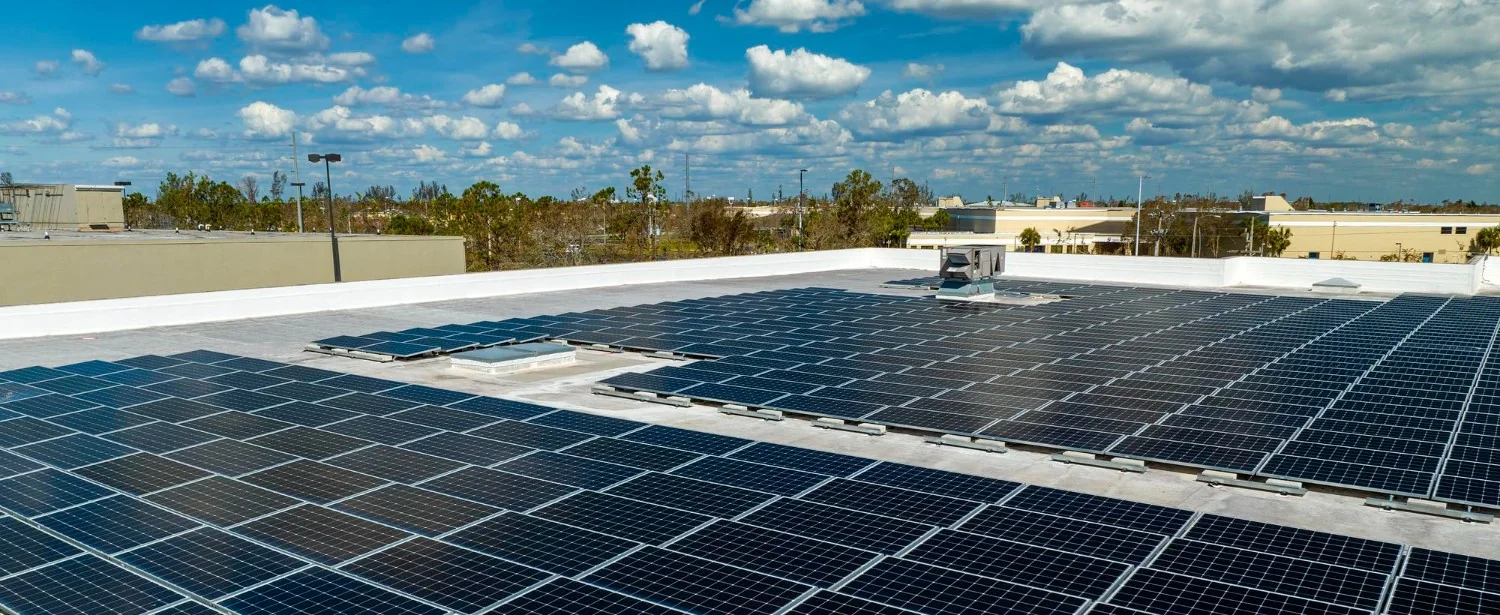
<ul><li><i>India’s rooftop solar capacity reached 30.7 GW in July 2026, increasing the need for better grid management and flexibility.</i></li><li><i>Kerala and Maharashtra are exploring battery ener…
• 𝘛𝘩𝘦 𝘌𝘐𝘉 𝘎𝘳𝘰𝘶𝘱 𝘱𝘭𝘢𝘯𝘴 𝘵𝘰 𝘱𝘳𝘰𝘷𝘪𝘥𝘦 𝘢𝘵 𝘭𝘦𝘢𝘴𝘵 €30 𝘣𝘪𝘭𝘭𝘪𝘰𝘯 𝘧𝘰𝘳 𝘤𝘭𝘪𝘮𝘢𝘵𝘦 𝘢𝘥𝘢𝘱𝘵𝘢𝘵𝘪𝘰𝘯 𝘣𝘦𝘵𝘸𝘦𝘦𝘯 2026 𝘢𝘯𝘥 2030. • 𝘛𝘩𝘦 𝘯𝘦𝘸 𝘵𝘢𝘳𝘨𝘦𝘵 𝘥𝘰𝘶𝘣𝘭𝘦𝘴 𝘢𝘥𝘢𝘱𝘵𝘢𝘵𝘪𝘰𝘯 𝘧𝘪𝘯𝘢𝘯𝘤𝘪𝘯𝘨 𝘤𝘰𝘮𝘱𝘢𝘳𝘦𝘥 𝘸𝘪𝘵𝘩 𝘵𝘩𝘦 𝘱𝘳𝘦𝘷𝘪𝘰𝘶𝘴 𝘧𝘪𝘷𝘦-𝘺𝘦𝘢𝘳 𝘱𝘦𝘳𝘪𝘰𝘥. • 𝘍𝘶𝘯𝘥𝘪𝘯𝘨…