

11 August 2026
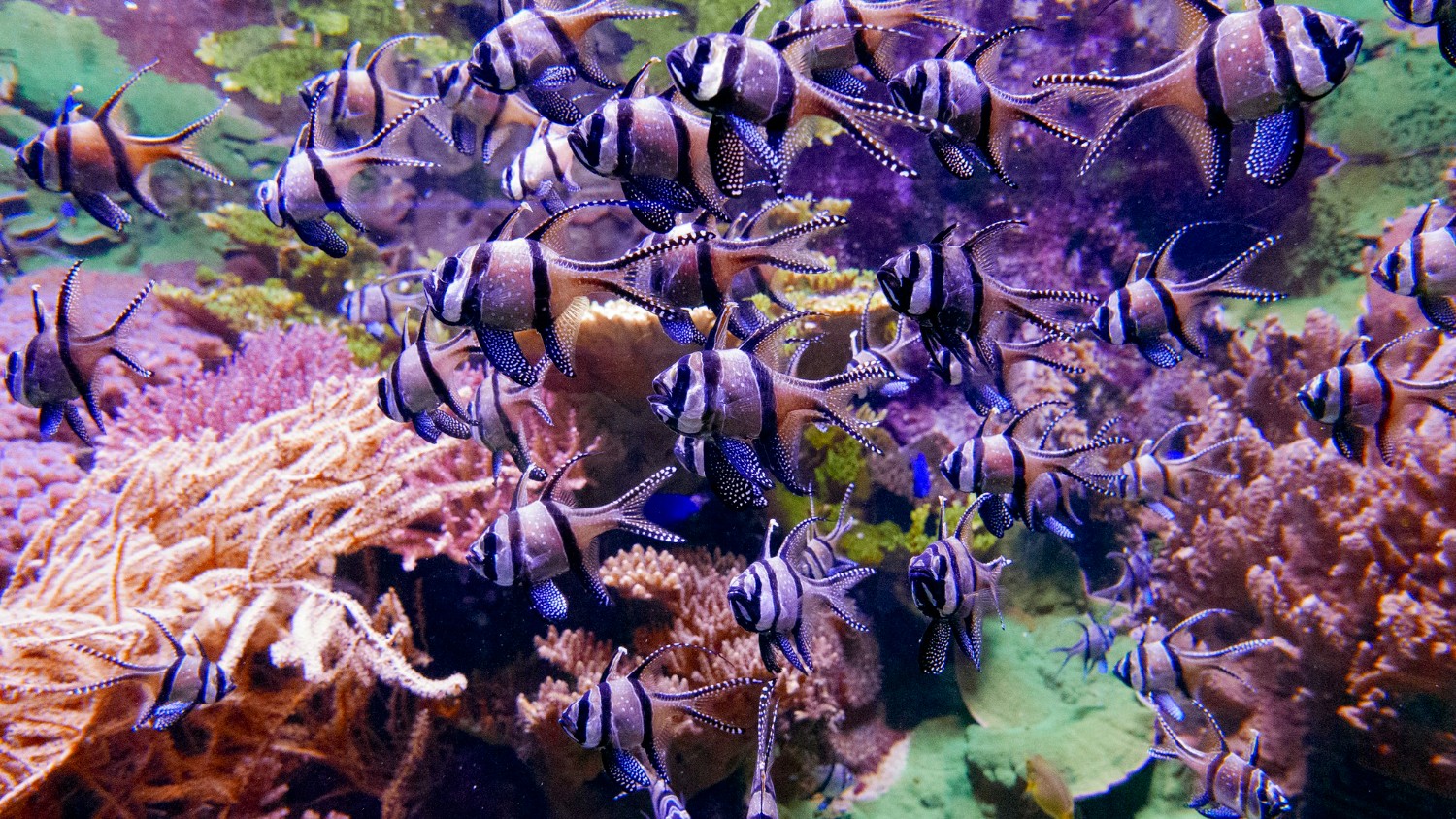
Florida is taking a new approach to protecting its increasingly vulnerable marine ecosystems with the creation of a statewide “coastal corridor”-an interconnected network of ocean and shoreline projects designed to restore habitats while supporting coastal communities and the blue economy.
Led by the Florida Fish and Wildlife Conservation Commission and the Fish and Wildlife Foundation of Florida, the initiative builds on the success of the state’s 18-million-acre land-based wildlife corridor. It will connect artificial reefs, oyster beds, seagrass meadows, mangroves, and other habitats across Florida’s Atlantic and Gulf coasts, creating healthier pathways for marine species from estuaries to deeper waters.
The strategy is also being positioned as an economic investment. Recreational fishing generates around $14 billion annually and supports 120,000 jobs, while artificial reef development contributes another $3.1 billion and 39,000 jobs. More than two million out-of-state anglers visit Florida each year, adding significant spending to coastal tourism.
Early projects include a new artificial reef planned about 13 miles offshore in Collier County, with additional reef initiatives underway elsewhere. Future efforts could expand into oyster restoration, living shorelines, mangrove recovery, beach erosion control, and seagrass restoration, including habitats critical to species such as manatees.
The broader goal is to move beyond scattered conservation projects toward a coordinated coastal strategy-one that protects biodiversity, strengthens resilience against storms and climate pressures, and sustains the natural assets underpinning Florida’s economy.
Coastal-corridor conservation linked to economic development is exactly the kind of nature-based infrastructure play that biodiversity-credit and impact-linked financing markets are trying to scale. Our nature-based-solutions and responsible-investment teams help clients evaluate nature-based investment opportunities and disclosure implications, particularly under TNFD and SBTN frameworks.
.jpg)
• 𝘔𝘢𝘭𝘢𝘺𝘴𝘪𝘢 𝘢𝘯𝘥 𝘊𝘩𝘪𝘯𝘢 𝘢𝘳𝘦 𝘴𝘵𝘳𝘦𝘯𝘨𝘵𝘩𝘦𝘯𝘪𝘯𝘨 𝘣𝘪𝘭𝘢𝘵𝘦𝘳𝘢𝘭 𝘤𝘰𝘰𝘱𝘦𝘳𝘢𝘵𝘪𝘰𝘯 𝘰𝘯 𝘯𝘢𝘵𝘶𝘳𝘢𝘭 𝘳𝘦𝘴𝘰𝘶𝘳𝘤𝘦 𝘮𝘢𝘯𝘢𝘨𝘦𝘮𝘦𝘯𝘵 𝘢𝘯𝘥 𝘦𝘯𝘷𝘪𝘳𝘰𝘯𝘮𝘦𝘯𝘵𝘢𝘭 𝘴𝘶𝘴𝘵𝘢𝘪𝘯𝘢𝘣𝘪𝘭𝘪𝘵𝘺. • 𝘛𝘩𝘦 𝘱𝘢𝘳𝘵𝘯𝘦𝘳𝘴 𝘢𝘳𝘦 𝘦𝘹𝘱𝘭𝘰𝘳𝘪𝘯𝘨 𝘢 𝘱𝘳𝘰𝘱𝘰𝘴𝘦𝘥 𝘔𝘢𝘳𝘪𝘯𝘦 𝘌𝘯𝘷𝘪𝘳𝘰𝘯𝘮𝘦𝘯𝘵𝘢𝘭 𝘊𝘰𝘰𝘱𝘦𝘳𝘢𝘵𝘪𝘰𝘯 𝘈…

• 𝘔𝘦𝘹𝘪𝘤𝘰 𝘤𝘰𝘶𝘭𝘥 𝘳𝘦𝘥𝘶𝘤𝘦 𝘨𝘳𝘰𝘴𝘴 𝘰𝘪𝘭 𝘢𝘯𝘥 𝘨𝘢𝘴 𝘪𝘮𝘱𝘰𝘳𝘵𝘴 𝘣𝘺 34% 𝘣𝘺 2050 𝘵𝘩𝘳𝘰𝘶𝘨𝘩 𝘦𝘭𝘦𝘤𝘵𝘳𝘪𝘧𝘪𝘤𝘢𝘵𝘪𝘰𝘯 𝘢𝘯𝘥 𝘮𝘰𝘣𝘪𝘭𝘪𝘵𝘺 𝘴𝘩𝘪𝘧𝘵𝘴. • 𝘊𝘰𝘮𝘣𝘪𝘯𝘦𝘥 𝘦𝘭𝘦𝘤𝘵𝘳𝘪𝘧𝘪𝘤𝘢𝘵𝘪𝘰𝘯 𝘢𝘯𝘥 𝘱𝘶𝘣𝘭𝘪𝘤 𝘵𝘳𝘢𝘯𝘴𝘪𝘵 𝘤𝘰𝘶𝘭𝘥 𝘤𝘶𝘵 𝘶𝘳𝘣𝘢𝘯 𝘱𝘢𝘴𝘴𝘦𝘯𝘨𝘦𝘳 𝘵𝘳𝘢𝘯𝘴𝘱𝘰𝘳𝘵 𝘦𝘯𝘦𝘳𝘨𝘺 𝘤𝘰𝘯…
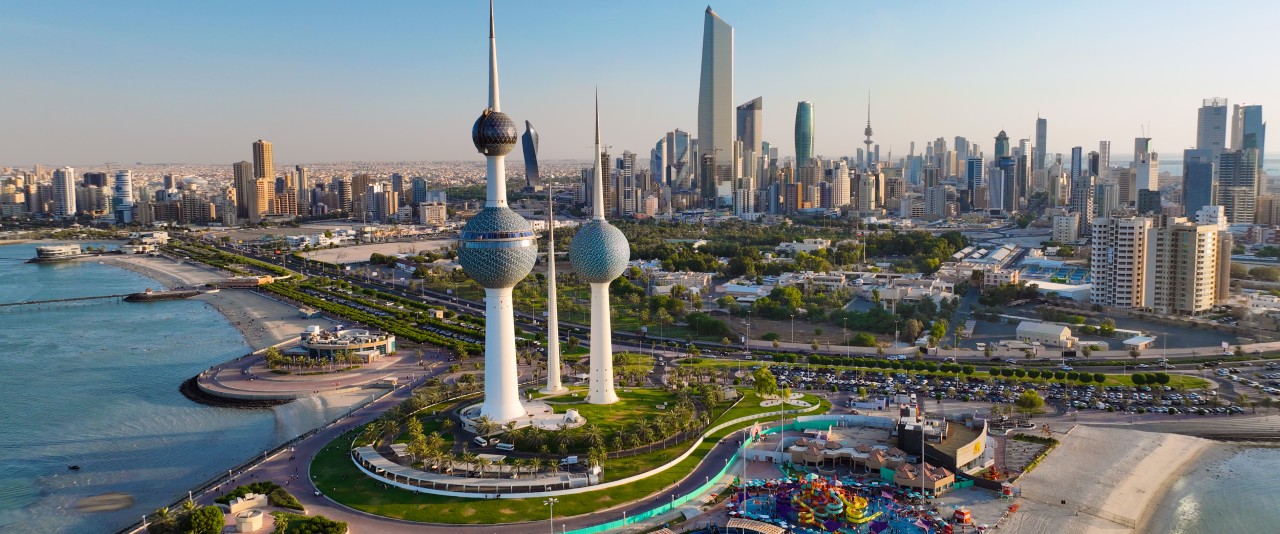
• 𝘒𝘶𝘸𝘢𝘪𝘵 𝘩𝘢𝘴 𝘢𝘥𝘰𝘱𝘵𝘦𝘥 𝘢 𝘯𝘢𝘵𝘪𝘰𝘯𝘢𝘭 𝘦𝘯𝘷𝘪𝘳𝘰𝘯𝘮𝘦𝘯𝘵𝘢𝘭 𝘳𝘦𝘱𝘰𝘳𝘵𝘪𝘯𝘨 𝘴𝘺𝘴𝘵𝘦𝘮 𝘧𝘰𝘳 𝘨𝘰𝘷𝘦𝘳𝘯𝘮𝘦𝘯𝘵 𝘣𝘰𝘥𝘪𝘦𝘴, 𝘶𝘴𝘪𝘯𝘨 14 𝘪𝘯𝘥𝘪𝘤𝘢𝘵𝘰𝘳𝘴 𝘵𝘰 𝘮𝘦𝘢𝘴𝘶𝘳𝘦 𝘦𝘯𝘷𝘪𝘳𝘰𝘯𝘮𝘦𝘯𝘵𝘢𝘭 𝘱𝘦𝘳𝘧𝘰𝘳𝘮𝘢𝘯𝘤𝘦. • 𝘛𝘩𝘦 𝘪𝘯𝘥𝘪𝘤𝘢𝘵𝘰𝘳𝘴 𝘤𝘰𝘷𝘦𝘳 𝘦𝘯𝘦𝘳𝘨𝘺, 𝘸𝘢𝘵𝘦𝘳, 𝘧𝘶𝘦𝘭 𝘢𝘯𝘥 𝘱𝘢𝘱𝘦𝘳 𝘤𝘰𝘯…