

.jpg)
11 August 2026
The European Commission has unveiled a new Electrification Action Plan alongside a review of the European Union's Emissions Trading System (EU ETS), aiming to accelerate Europe's clean-energy transition while strengthening industrial competitiveness. The measures seek to increase the use of electricity across buildings, transport and industry while reducing dependence on imported fossil fuels.
A central target of the Electrification Action Plan is to increase electricity's share of Europe's total energy consumption from around 23% today to 46% by 2040. The Commission is also targeting around 4 million heat-pump installations annually by 2030, compared with approximately 2.4 million in 2025, alongside expanded grid connections and charging infrastructure for heavy-duty electric vehicles.
The proposed ETS reforms would adjust the pace of emissions reductions while linking continued access to free carbon allowances with industrial decarbonisation investment. For sectors covered by the Carbon Border Adjustment Mechanism (CBAM), the phase-out of free allowances would be extended to 2038, while companies receiving the majority of these allowances would need to demonstrate progress on decarbonisation investments.
The Commission also proposes using the ETS framework to mobilise significant funding for climate investment. Member States would be required to direct at least half of their national ETS revenues towards climate-priority investments, while an ETS Investment Booster would form the first phase of the planned €100 billion Industrial Decarbonisation Bank. The package also proposes measures to improve carbon-market stability and investment predictability.
Together, the initiatives represent a shift towards making electrification a central pillar of Europe's energy and industrial strategy. By expanding electric solutions, strengthening grids and directing carbon-market revenues towards decarbonisation, the European Commission aims to reduce fossil-fuel dependence while creating conditions for greater investment in Europe's clean-energy transition.
Coupling electrification with ETS reform is where EU industrial-decarbonisation strategy gets genuinely coordinated, and it changes what corporates should plan for across capex, carbon-cost and disclosure narrative. Our climate-action and energy-transition teams help clients evaluate what these frameworks mean for industrial-decarbonisation planning.

• 𝘛𝘩𝘦 𝘜𝘈𝘌 𝘍𝘰𝘰𝘥 𝘉𝘢𝘯𝘬 𝘢𝘯𝘥 𝘋𝘶𝘣𝘢𝘪’𝘴 𝘊𝘰𝘮𝘮𝘶𝘯𝘪𝘵𝘺 𝘋𝘦𝘷𝘦𝘭𝘰𝘱𝘮𝘦𝘯𝘵 𝘈𝘶𝘵𝘩𝘰𝘳𝘪𝘵𝘺 (𝘊𝘋𝘈) 𝘩𝘢𝘷𝘦 𝘴𝘪𝘨𝘯𝘦𝘥 𝘢𝘯 𝘢𝘨𝘳𝘦𝘦𝘮𝘦𝘯𝘵 𝘵𝘰 𝘤𝘰𝘭𝘭𝘦𝘤𝘵 𝘢𝘯𝘥 𝘳𝘦𝘥𝘪𝘴𝘵𝘳𝘪𝘣𝘶𝘵𝘦 𝘴𝘶𝘳𝘱𝘭𝘶𝘴 𝘧𝘰𝘰𝘥 𝘧𝘳𝘰𝘮 𝘸𝘦𝘥𝘥𝘪𝘯𝘨𝘴 𝘢𝘯𝘥 𝘦𝘷𝘦𝘯𝘵𝘴. • 𝘛𝘩𝘦 𝘪𝘯𝘪𝘵𝘪𝘢𝘵𝘪𝘷𝘦 𝘸𝘪𝘭𝘭 𝘧𝘰𝘭𝘭𝘰𝘸 𝘢𝘱𝘱𝘳𝘰𝘷𝘦𝘥…
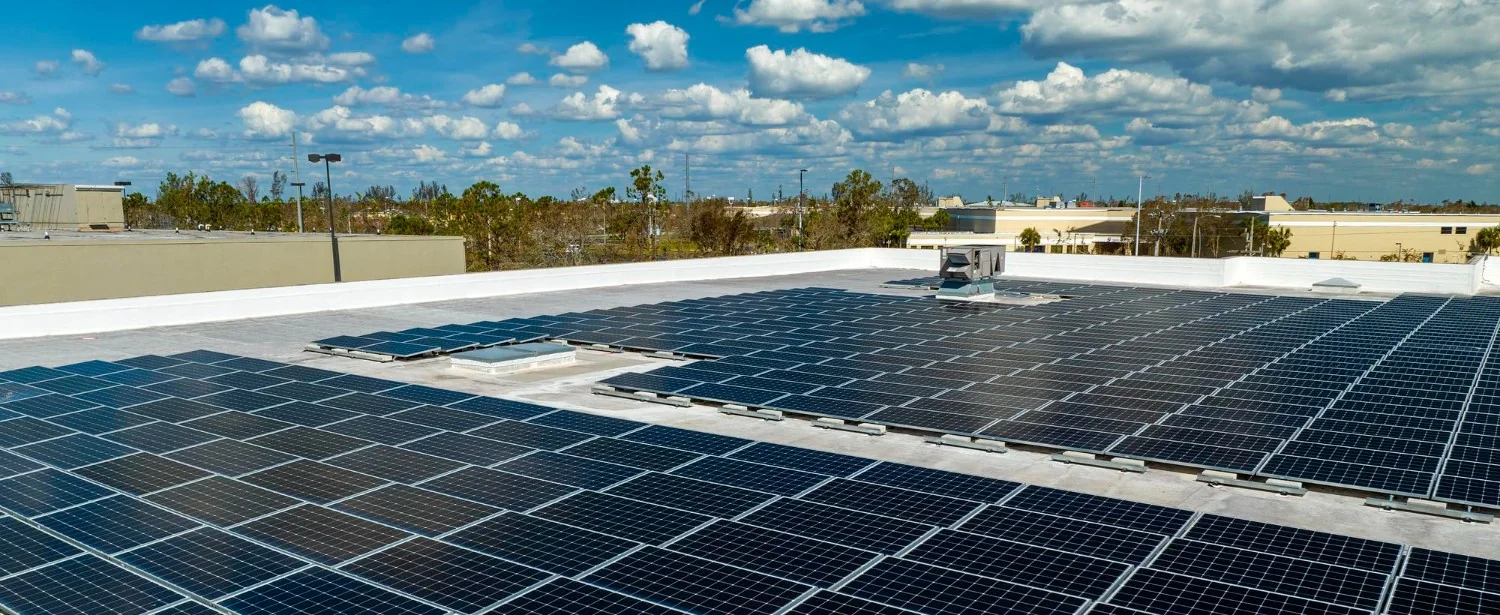
<ul><li><i>India’s rooftop solar capacity reached 30.7 GW in July 2026, increasing the need for better grid management and flexibility.</i></li><li><i>Kerala and Maharashtra are exploring battery ener…

• 𝘛𝘩𝘦 𝘌𝘐𝘉 𝘎𝘳𝘰𝘶𝘱 𝘱𝘭𝘢𝘯𝘴 𝘵𝘰 𝘱𝘳𝘰𝘷𝘪𝘥𝘦 𝘢𝘵 𝘭𝘦𝘢𝘴𝘵 €30 𝘣𝘪𝘭𝘭𝘪𝘰𝘯 𝘧𝘰𝘳 𝘤𝘭𝘪𝘮𝘢𝘵𝘦 𝘢𝘥𝘢𝘱𝘵𝘢𝘵𝘪𝘰𝘯 𝘣𝘦𝘵𝘸𝘦𝘦𝘯 2026 𝘢𝘯𝘥 2030. • 𝘛𝘩𝘦 𝘯𝘦𝘸 𝘵𝘢𝘳𝘨𝘦𝘵 𝘥𝘰𝘶𝘣𝘭𝘦𝘴 𝘢𝘥𝘢𝘱𝘵𝘢𝘵𝘪𝘰𝘯 𝘧𝘪𝘯𝘢𝘯𝘤𝘪𝘯𝘨 𝘤𝘰𝘮𝘱𝘢𝘳𝘦𝘥 𝘸𝘪𝘵𝘩 𝘵𝘩𝘦 𝘱𝘳𝘦𝘷𝘪𝘰𝘶𝘴 𝘧𝘪𝘷𝘦-𝘺𝘦𝘢𝘳 𝘱𝘦𝘳𝘪𝘰𝘥. • 𝘍𝘶𝘯𝘥𝘪𝘯𝘨…