

.jpg)
23 April 2026
Mexico is advancing a dual-track sustainability and economic strategy, linking ESG adoption with tangible local economic impact-particularly in the lead-up to the FIFA World Cup 2026. A new collaboration between Global Compact Mexico and CONCANACO SERVYTUR aims to embed the UN Global Compact’s Ten Principles across the country’s commerce, services, and tourism sectors, reinforcing business ethics, environmental responsibility, and long-term competitiveness.
The agreement focuses on promoting best practices, strengthening business capabilities, and creating collaborative platforms to integrate ESG into corporate strategy. Leaders emphasized that sustainability is no longer optional but a core driver of resilience and global relevance for Mexican businesses.
Beyond policy, attention is shifting to execution-especially ensuring that major global events translate into real economic benefits at the community level. With Mexico set to host millions of visitors for the World Cup, stakeholders are prioritizing how tourism spending can reach micro, small, and medium enterprises (MSMEs), local businesses, and neighborhood economies.
Initiatives are already underway to prepare over 5,000 MSMEs in Mexico City to capture significant tourism-driven revenue. Digital platforms such as Airbnb are playing a key role in connecting visitors with local services, helping distribute economic gains beyond traditional hospitality sectors.
Data underscores the opportunity: up to 80% of tourist spending occurs outside accommodation, benefiting food services, retail, transport, and entertainment. Nationwide, the World Cup is expected to generate billions in economic activity and tens of thousands of jobs.
The strategy signals a broader shift-positioning ESG not just as a compliance framework, but as a lever for inclusive economic development, where sustainability and local prosperity move in tandem.
Event-linked ESG strategies typically shape short-term construction, hospitality and infrastructure disclosure expectations, and they often build lasting standards that outlive the event itself. Our impact-assessment and ESG-strategy teams help clients evaluate what event-driven ESG frameworks mean for their positioning and disclosure.

• 𝘛𝘩𝘦 𝘜𝘈𝘌 𝘍𝘰𝘰𝘥 𝘉𝘢𝘯𝘬 𝘢𝘯𝘥 𝘋𝘶𝘣𝘢𝘪’𝘴 𝘊𝘰𝘮𝘮𝘶𝘯𝘪𝘵𝘺 𝘋𝘦𝘷𝘦𝘭𝘰𝘱𝘮𝘦𝘯𝘵 𝘈𝘶𝘵𝘩𝘰𝘳𝘪𝘵𝘺 (𝘊𝘋𝘈) 𝘩𝘢𝘷𝘦 𝘴𝘪𝘨𝘯𝘦𝘥 𝘢𝘯 𝘢𝘨𝘳𝘦𝘦𝘮𝘦𝘯𝘵 𝘵𝘰 𝘤𝘰𝘭𝘭𝘦𝘤𝘵 𝘢𝘯𝘥 𝘳𝘦𝘥𝘪𝘴𝘵𝘳𝘪𝘣𝘶𝘵𝘦 𝘴𝘶𝘳𝘱𝘭𝘶𝘴 𝘧𝘰𝘰𝘥 𝘧𝘳𝘰𝘮 𝘸𝘦𝘥𝘥𝘪𝘯𝘨𝘴 𝘢𝘯𝘥 𝘦𝘷𝘦𝘯𝘵𝘴. • 𝘛𝘩𝘦 𝘪𝘯𝘪𝘵𝘪𝘢𝘵𝘪𝘷𝘦 𝘸𝘪𝘭𝘭 𝘧𝘰𝘭𝘭𝘰𝘸 𝘢𝘱𝘱𝘳𝘰𝘷𝘦𝘥…
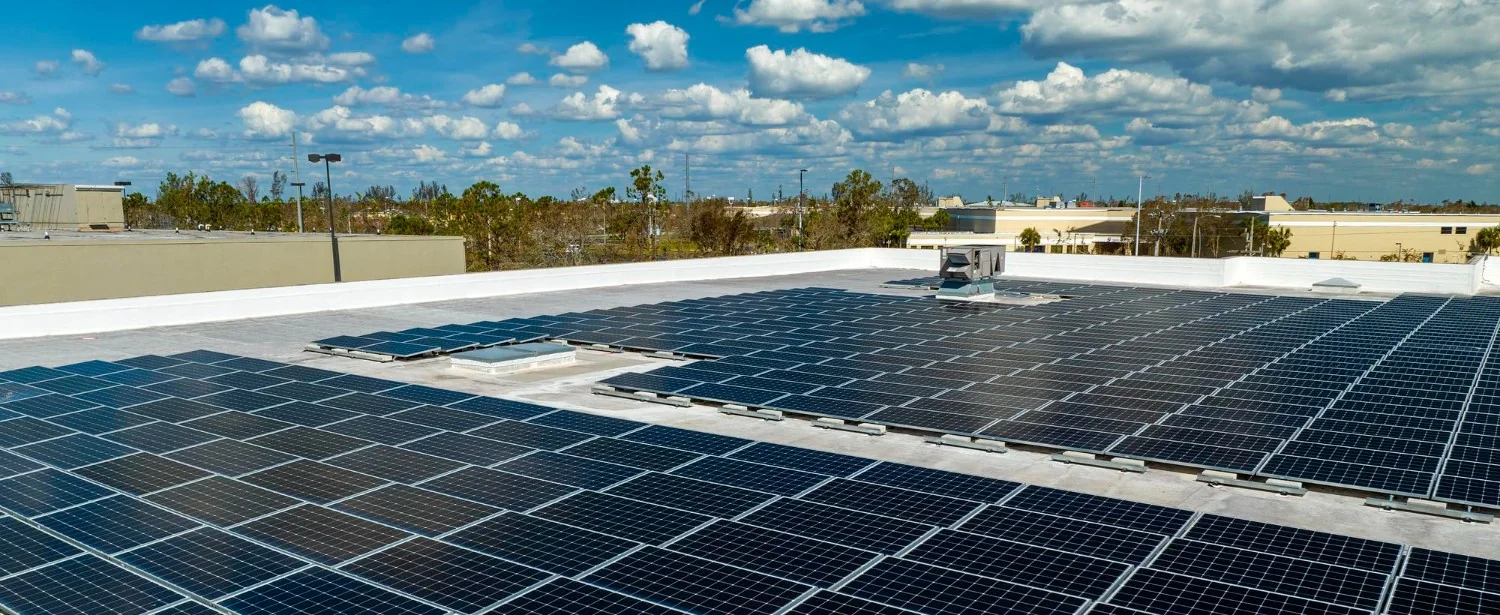
<ul><li><i>India’s rooftop solar capacity reached 30.7 GW in July 2026, increasing the need for better grid management and flexibility.</i></li><li><i>Kerala and Maharashtra are exploring battery ener…

• 𝘛𝘩𝘦 𝘌𝘐𝘉 𝘎𝘳𝘰𝘶𝘱 𝘱𝘭𝘢𝘯𝘴 𝘵𝘰 𝘱𝘳𝘰𝘷𝘪𝘥𝘦 𝘢𝘵 𝘭𝘦𝘢𝘴𝘵 €30 𝘣𝘪𝘭𝘭𝘪𝘰𝘯 𝘧𝘰𝘳 𝘤𝘭𝘪𝘮𝘢𝘵𝘦 𝘢𝘥𝘢𝘱𝘵𝘢𝘵𝘪𝘰𝘯 𝘣𝘦𝘵𝘸𝘦𝘦𝘯 2026 𝘢𝘯𝘥 2030. • 𝘛𝘩𝘦 𝘯𝘦𝘸 𝘵𝘢𝘳𝘨𝘦𝘵 𝘥𝘰𝘶𝘣𝘭𝘦𝘴 𝘢𝘥𝘢𝘱𝘵𝘢𝘵𝘪𝘰𝘯 𝘧𝘪𝘯𝘢𝘯𝘤𝘪𝘯𝘨 𝘤𝘰𝘮𝘱𝘢𝘳𝘦𝘥 𝘸𝘪𝘵𝘩 𝘵𝘩𝘦 𝘱𝘳𝘦𝘷𝘪𝘰𝘶𝘴 𝘧𝘪𝘷𝘦-𝘺𝘦𝘢𝘳 𝘱𝘦𝘳𝘪𝘰𝘥. • 𝘍𝘶𝘯𝘥𝘪𝘯𝘨…