

20 January 2026
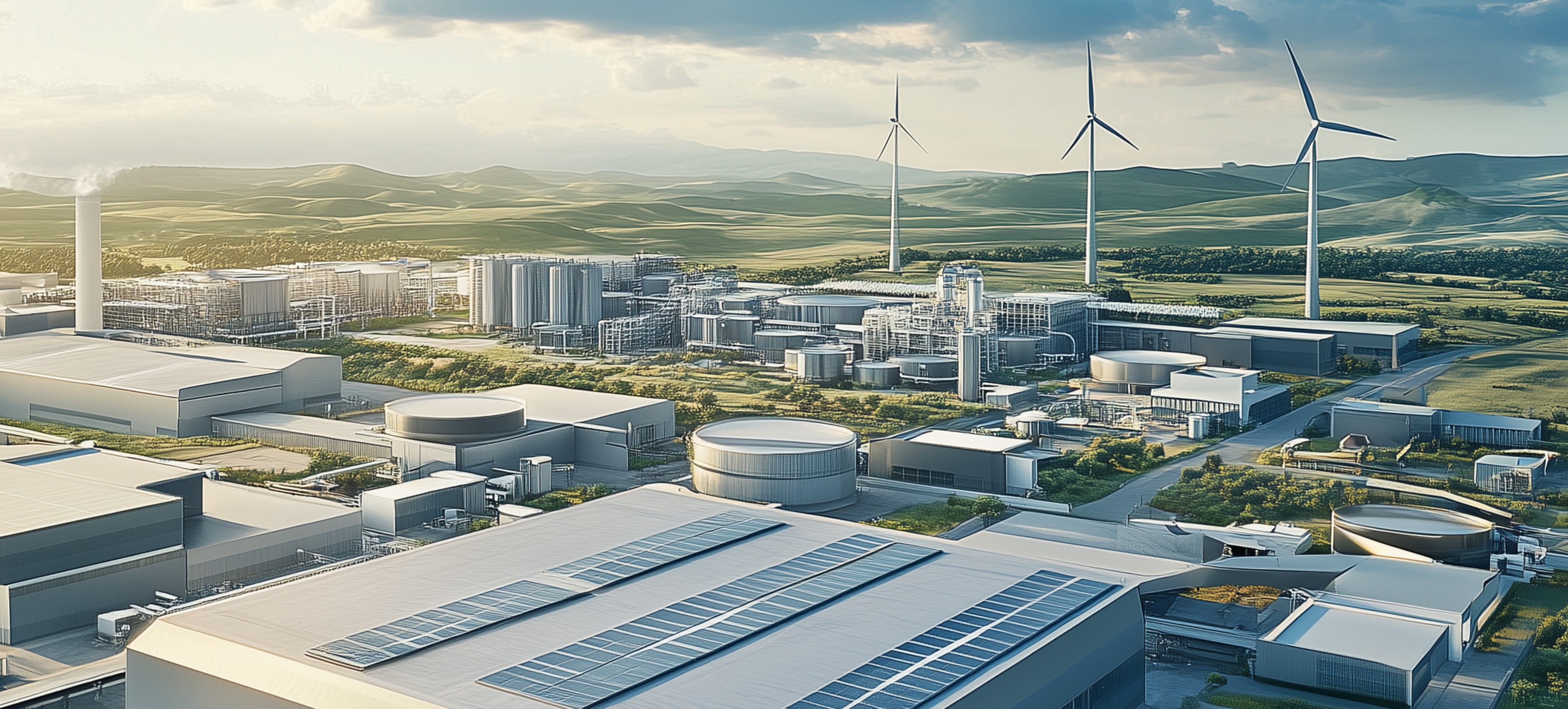
The European Union is preparing a draft legal proposal that would introduce minimum “made in Europe” requirements for public procurement of key green technologies, aiming to fortify its industrial base and reduce reliance on imports from outside the bloc. The initiative, developed by the European Commission, is part of a wider strategy to ensure that the continent’s transition to clean energy also supports domestic manufacturing and long-term competitiveness.
Under the proposed framework, governments and public institutions across EU member states would be required to give preference to products and components that are assembled or produced within Europe when purchasing technologies critical to decarbonisation.
These would include batteries for electric vehicles, solar and wind energy components, and other essential elements of the green economy. The rules are designed to be phased in over time, with initial sourcing thresholds set for when the law takes effect.
The draft envisages that within 12 months of the regulation’s enactment, battery systems bought through public procurement must be assembled inside the EU, with several key components sourced locally. After two years, the requirements would tighten further to require a broader set of core components, including battery cells, to be Europe-made. Similar localisation principles would apply to power cables, EV charging infrastructure and other low-carbon industrial goods.
While the policy aims to strengthen the European green technology supply chain and reduce dependency on imports - particularly from China, which currently dominates production in sectors like photovoltaics and battery manufacturing - it has split opinion among EU governments.
Some member states support the move as a safeguard for strategic industries, while others warn that such “buy local” provisions could raise costs for public contracts and weaken competitiveness if not carefully balanced with market realities.
Made-in-Europe procurement rules for green tech change the competitive landscape for solar, wind, battery and hydrogen suppliers globally, and they open genuine positioning opportunities for European manufacturers. Our supply-chain-and-operations and market-intelligence teams help clients evaluate what these rules mean for supply-chain strategy and disclosure.

• 𝘛𝘩𝘦 𝘜𝘈𝘌 𝘍𝘰𝘰𝘥 𝘉𝘢𝘯𝘬 𝘢𝘯𝘥 𝘋𝘶𝘣𝘢𝘪’𝘴 𝘊𝘰𝘮𝘮𝘶𝘯𝘪𝘵𝘺 𝘋𝘦𝘷𝘦𝘭𝘰𝘱𝘮𝘦𝘯𝘵 𝘈𝘶𝘵𝘩𝘰𝘳𝘪𝘵𝘺 (𝘊𝘋𝘈) 𝘩𝘢𝘷𝘦 𝘴𝘪𝘨𝘯𝘦𝘥 𝘢𝘯 𝘢𝘨𝘳𝘦𝘦𝘮𝘦𝘯𝘵 𝘵𝘰 𝘤𝘰𝘭𝘭𝘦𝘤𝘵 𝘢𝘯𝘥 𝘳𝘦𝘥𝘪𝘴𝘵𝘳𝘪𝘣𝘶𝘵𝘦 𝘴𝘶𝘳𝘱𝘭𝘶𝘴 𝘧𝘰𝘰𝘥 𝘧𝘳𝘰𝘮 𝘸𝘦𝘥𝘥𝘪𝘯𝘨𝘴 𝘢𝘯𝘥 𝘦𝘷𝘦𝘯𝘵𝘴. • 𝘛𝘩𝘦 𝘪𝘯𝘪𝘵𝘪𝘢𝘵𝘪𝘷𝘦 𝘸𝘪𝘭𝘭 𝘧𝘰𝘭𝘭𝘰𝘸 𝘢𝘱𝘱𝘳𝘰𝘷𝘦𝘥…
<ul><li><i>India’s rooftop solar capacity reached 30.7 GW in July 2026, increasing the need for better grid management and flexibility.</i></li><li><i>Kerala and Maharashtra are exploring battery ener…
• 𝘛𝘩𝘦 𝘌𝘐𝘉 𝘎𝘳𝘰𝘶𝘱 𝘱𝘭𝘢𝘯𝘴 𝘵𝘰 𝘱𝘳𝘰𝘷𝘪𝘥𝘦 𝘢𝘵 𝘭𝘦𝘢𝘴𝘵 €30 𝘣𝘪𝘭𝘭𝘪𝘰𝘯 𝘧𝘰𝘳 𝘤𝘭𝘪𝘮𝘢𝘵𝘦 𝘢𝘥𝘢𝘱𝘵𝘢𝘵𝘪𝘰𝘯 𝘣𝘦𝘵𝘸𝘦𝘦𝘯 2026 𝘢𝘯𝘥 2030. • 𝘛𝘩𝘦 𝘯𝘦𝘸 𝘵𝘢𝘳𝘨𝘦𝘵 𝘥𝘰𝘶𝘣𝘭𝘦𝘴 𝘢𝘥𝘢𝘱𝘵𝘢𝘵𝘪𝘰𝘯 𝘧𝘪𝘯𝘢𝘯𝘤𝘪𝘯𝘨 𝘤𝘰𝘮𝘱𝘢𝘳𝘦𝘥 𝘸𝘪𝘵𝘩 𝘵𝘩𝘦 𝘱𝘳𝘦𝘷𝘪𝘰𝘶𝘴 𝘧𝘪𝘷𝘦-𝘺𝘦𝘢𝘳 𝘱𝘦𝘳𝘪𝘰𝘥. • 𝘍𝘶𝘯𝘥𝘪𝘯𝘨…