


23 February 2026
On February 24, 2026, the European Union reinforced its plan to overhaul global supply chain transparency with the upcoming Digital Product Passport (DPP) rules, which are expected to come into force by 2027 under the Ecodesign for Sustainable Products Regulation (ESPR). The regulation will require producers and importers to attach digital product passports to most goods sold in the EU, containing detailed lifecycle and sustainability data that follows items from origin to recycling.
The passport framework aims to enhance sustainability and circularity in product design and management by making key information - such as material composition, carbon emissions, durability, and repairability - accessible via machine-readable data. This transparency is intended to support compliance, encourage greener manufacturing practices, and help consumers and regulators make better informed decisions about product impacts on the environment.
The new rules will apply to sectors including textiles, construction materials, batteries, and electronics, requiring companies exporting to the EU to ensure their products carry a compliant digital record. Failure to meet these requirements could jeopardise market access for exporters, making DPP compliance a strategic priority for global producers targeting the EU market.
The Digital Product Passport initiative is expected to fundamentally reshape how products are designed, tracked and reported across global supply chains by promoting accountability and enabling circular economy practices. By embedding lifecycle data into product passports, the EU aims to strengthen product traceability, reduce waste, and support long-term sustainability goals across industries.
Digital Product Passports will reshape global supply-chain traceability requirements, not just for EU sellers but for every non-EU exporter targeting the EU market. Our supply-chain-and-operations and data-and-digital teams help clients evaluate DPP readiness across their product portfolios and align with parallel EUDR, CBAM and Battery Regulation traceability.

• 𝘛𝘩𝘦 𝘜𝘈𝘌 𝘍𝘰𝘰𝘥 𝘉𝘢𝘯𝘬 𝘢𝘯𝘥 𝘋𝘶𝘣𝘢𝘪’𝘴 𝘊𝘰𝘮𝘮𝘶𝘯𝘪𝘵𝘺 𝘋𝘦𝘷𝘦𝘭𝘰𝘱𝘮𝘦𝘯𝘵 𝘈𝘶𝘵𝘩𝘰𝘳𝘪𝘵𝘺 (𝘊𝘋𝘈) 𝘩𝘢𝘷𝘦 𝘴𝘪𝘨𝘯𝘦𝘥 𝘢𝘯 𝘢𝘨𝘳𝘦𝘦𝘮𝘦𝘯𝘵 𝘵𝘰 𝘤𝘰𝘭𝘭𝘦𝘤𝘵 𝘢𝘯𝘥 𝘳𝘦𝘥𝘪𝘴𝘵𝘳𝘪𝘣𝘶𝘵𝘦 𝘴𝘶𝘳𝘱𝘭𝘶𝘴 𝘧𝘰𝘰𝘥 𝘧𝘳𝘰𝘮 𝘸𝘦𝘥𝘥𝘪𝘯𝘨𝘴 𝘢𝘯𝘥 𝘦𝘷𝘦𝘯𝘵𝘴. • 𝘛𝘩𝘦 𝘪𝘯𝘪𝘵𝘪𝘢𝘵𝘪𝘷𝘦 𝘸𝘪𝘭𝘭 𝘧𝘰𝘭𝘭𝘰𝘸 𝘢𝘱𝘱𝘳𝘰𝘷𝘦𝘥…
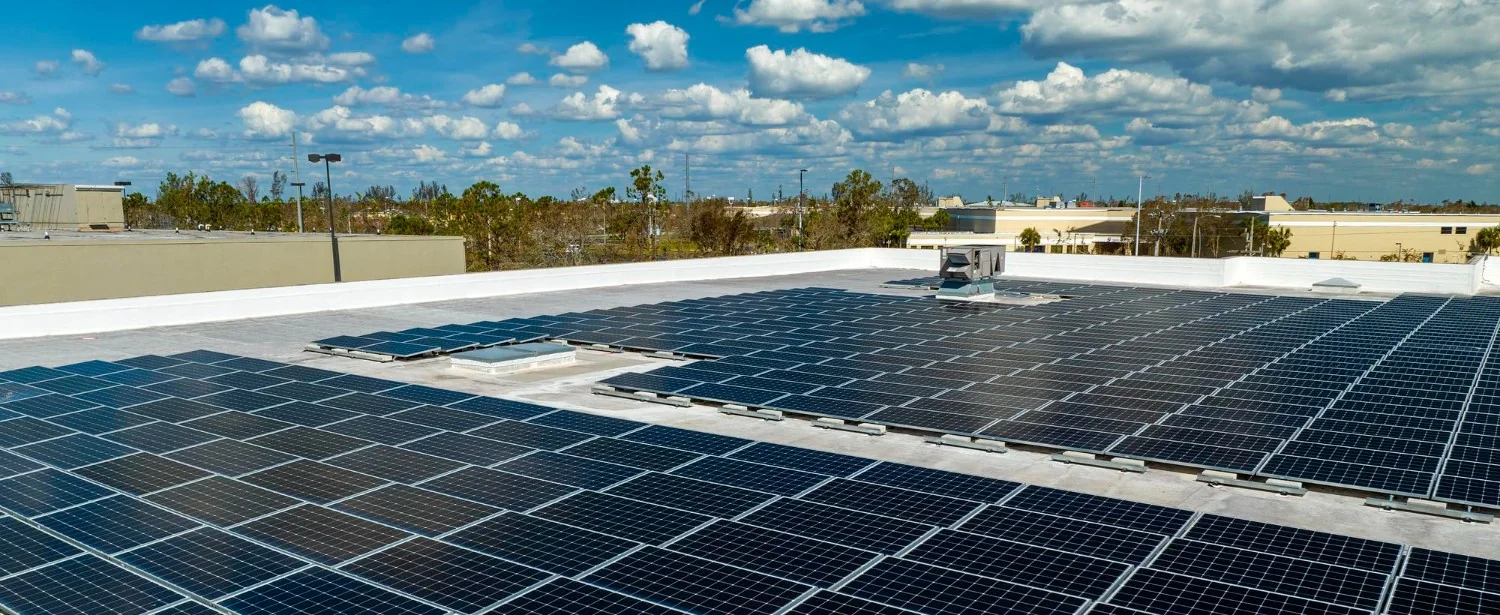
<ul><li><i>India’s rooftop solar capacity reached 30.7 GW in July 2026, increasing the need for better grid management and flexibility.</i></li><li><i>Kerala and Maharashtra are exploring battery ener…

• 𝘛𝘩𝘦 𝘌𝘐𝘉 𝘎𝘳𝘰𝘶𝘱 𝘱𝘭𝘢𝘯𝘴 𝘵𝘰 𝘱𝘳𝘰𝘷𝘪𝘥𝘦 𝘢𝘵 𝘭𝘦𝘢𝘴𝘵 €30 𝘣𝘪𝘭𝘭𝘪𝘰𝘯 𝘧𝘰𝘳 𝘤𝘭𝘪𝘮𝘢𝘵𝘦 𝘢𝘥𝘢𝘱𝘵𝘢𝘵𝘪𝘰𝘯 𝘣𝘦𝘵𝘸𝘦𝘦𝘯 2026 𝘢𝘯𝘥 2030. • 𝘛𝘩𝘦 𝘯𝘦𝘸 𝘵𝘢𝘳𝘨𝘦𝘵 𝘥𝘰𝘶𝘣𝘭𝘦𝘴 𝘢𝘥𝘢𝘱𝘵𝘢𝘵𝘪𝘰𝘯 𝘧𝘪𝘯𝘢𝘯𝘤𝘪𝘯𝘨 𝘤𝘰𝘮𝘱𝘢𝘳𝘦𝘥 𝘸𝘪𝘵𝘩 𝘵𝘩𝘦 𝘱𝘳𝘦𝘷𝘪𝘰𝘶𝘴 𝘧𝘪𝘷𝘦-𝘺𝘦𝘢𝘳 𝘱𝘦𝘳𝘪𝘰𝘥. • 𝘍𝘶𝘯𝘥𝘪𝘯𝘨…