

11 March 2026
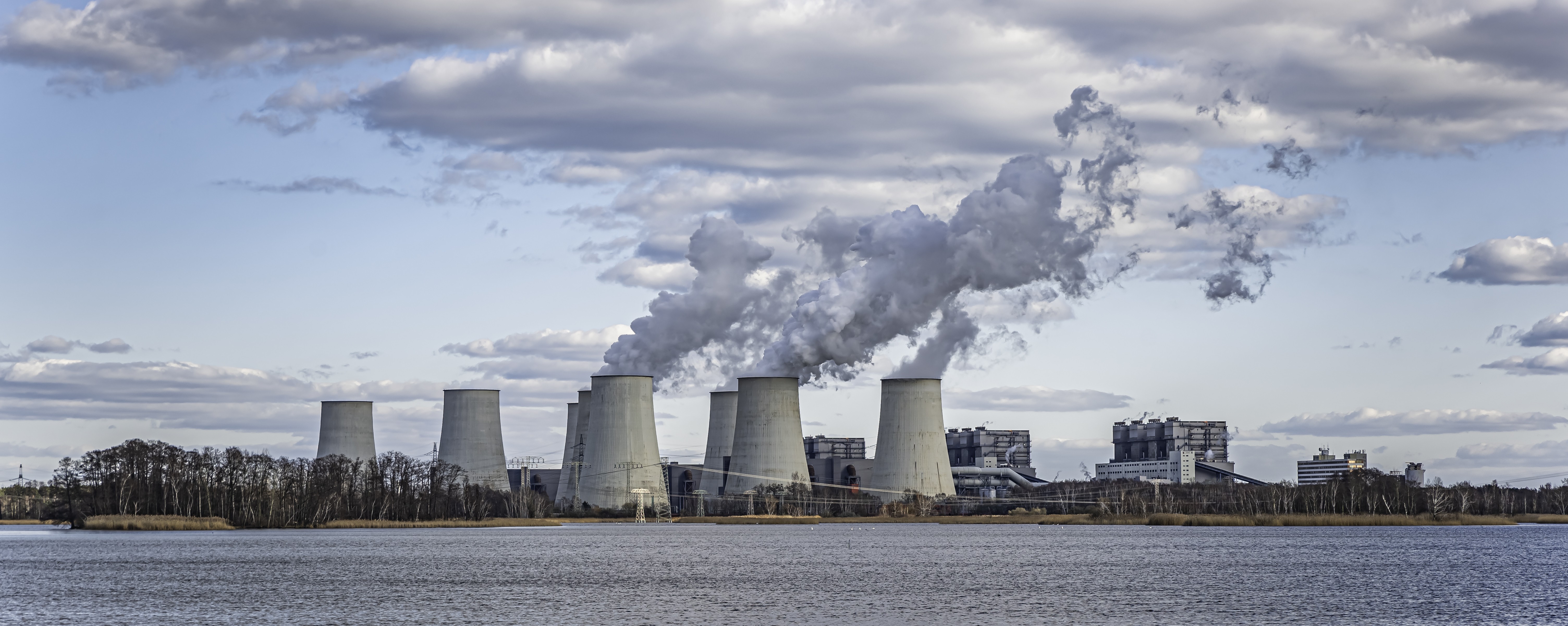
European Commission President Ursula von der Leyen has warned that Europe’s decision to reduce nuclear energy capacity was a “strategic mistake,” arguing that it increased the region’s dependence on imported fossil fuels. Speaking at a nuclear energy summit in Paris, she said nuclear power remains a reliable and low-emissions source of electricity that could strengthen Europe’s energy security.
Von der Leyen noted that nuclear energy accounted for roughly one-third of Europe’s electricity generation in 1990 but has since fallen to about 15%. The decline has contributed to a greater reliance on oil and gas imports, leaving the region more exposed to volatile energy markets and geopolitical disruptions.
The remarks come as European governments continue to balance climate goals with energy security. While renewable energy capacity has expanded rapidly across the EU, fossil fuels still play a major role in sectors such as heating and transport, highlighting the challenges of transitioning to a low-carbon energy system.
Von der Leyen also indicated that the European Commission is exploring ways to support innovation in nuclear technologies, including a €200 million investment guarantee funded through the EU carbon market. However, nuclear policy remains divisive within the EU, with some countries backing expansion while others continue to oppose it.
The framing of European nuclear-capacity decline (33 percent of electricity in 1990 → 15 percent today) as strategic mistake - combined with the €200 million Investment Guarantee for innovative nuclear technologies - signals substantive Commission-level reconsideration of nuclear's role in EU energy strategy. Von der Leyen's positioning reflects growing pragmatic recognition that renewable-only pathways face significant delivery challenges.
The intra-EU divisions remain material. Germany, Austria and other historical anti-nuclear economies retain policy commitments that would require reversal to support meaningful nuclear expansion. France, Poland, Czech Republic and others maintain pro-nuclear positioning. Commission-level advocacy shifts the debate but does not resolve underlying member-state divisions.
For nuclear technology providers, engineering companies, financial institutions supporting European clean-energy investment and their industrial and utility partners, Cognitud's energy transition, market intelligence and responsible investment teams help clients evaluate opportunities under evolving EU nuclear policy, structure long-term investment cases aligned with different member-state trajectories, and prepare disclosures aligned with EU taxonomy, CSRD and ISSB expectations.

• 𝘛𝘩𝘦 𝘜𝘈𝘌 𝘍𝘰𝘰𝘥 𝘉𝘢𝘯𝘬 𝘢𝘯𝘥 𝘋𝘶𝘣𝘢𝘪’𝘴 𝘊𝘰𝘮𝘮𝘶𝘯𝘪𝘵𝘺 𝘋𝘦𝘷𝘦𝘭𝘰𝘱𝘮𝘦𝘯𝘵 𝘈𝘶𝘵𝘩𝘰𝘳𝘪𝘵𝘺 (𝘊𝘋𝘈) 𝘩𝘢𝘷𝘦 𝘴𝘪𝘨𝘯𝘦𝘥 𝘢𝘯 𝘢𝘨𝘳𝘦𝘦𝘮𝘦𝘯𝘵 𝘵𝘰 𝘤𝘰𝘭𝘭𝘦𝘤𝘵 𝘢𝘯𝘥 𝘳𝘦𝘥𝘪𝘴𝘵𝘳𝘪𝘣𝘶𝘵𝘦 𝘴𝘶𝘳𝘱𝘭𝘶𝘴 𝘧𝘰𝘰𝘥 𝘧𝘳𝘰𝘮 𝘸𝘦𝘥𝘥𝘪𝘯𝘨𝘴 𝘢𝘯𝘥 𝘦𝘷𝘦𝘯𝘵𝘴. • 𝘛𝘩𝘦 𝘪𝘯𝘪𝘵𝘪𝘢𝘵𝘪𝘷𝘦 𝘸𝘪𝘭𝘭 𝘧𝘰𝘭𝘭𝘰𝘸 𝘢𝘱𝘱𝘳𝘰𝘷𝘦𝘥…
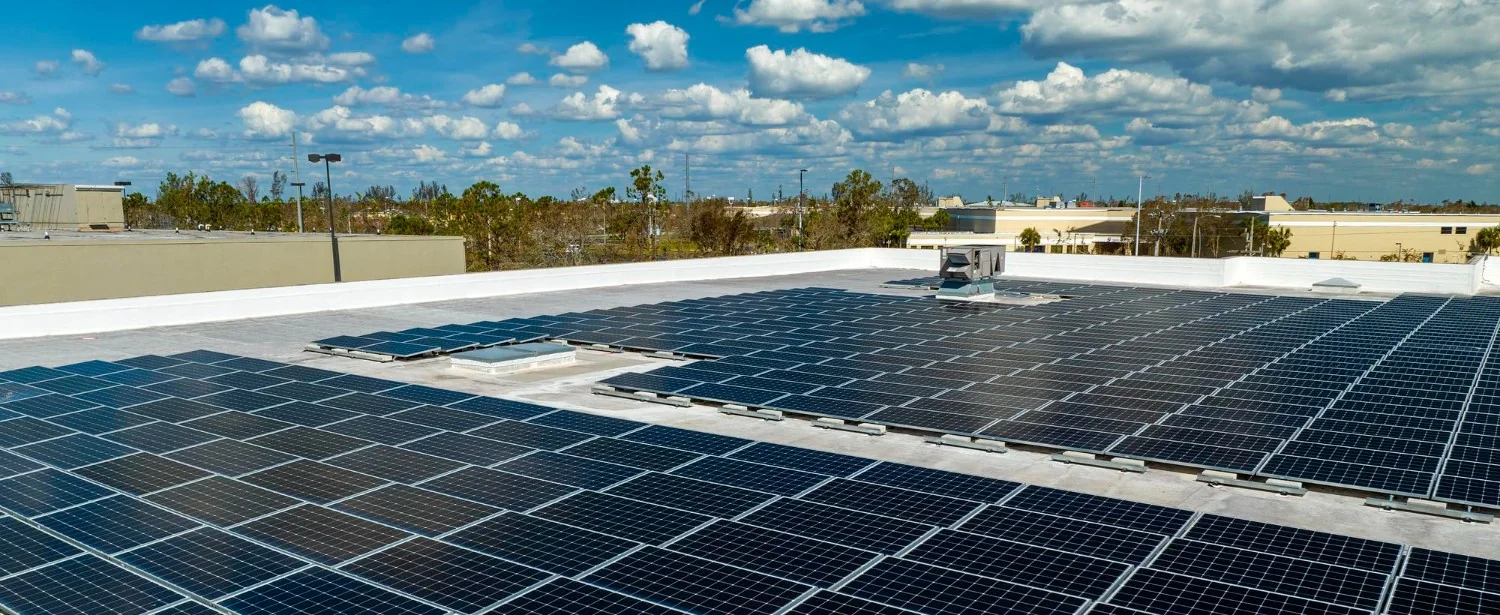
<ul><li><i>India’s rooftop solar capacity reached 30.7 GW in July 2026, increasing the need for better grid management and flexibility.</i></li><li><i>Kerala and Maharashtra are exploring battery ener…
• 𝘛𝘩𝘦 𝘌𝘐𝘉 𝘎𝘳𝘰𝘶𝘱 𝘱𝘭𝘢𝘯𝘴 𝘵𝘰 𝘱𝘳𝘰𝘷𝘪𝘥𝘦 𝘢𝘵 𝘭𝘦𝘢𝘴𝘵 €30 𝘣𝘪𝘭𝘭𝘪𝘰𝘯 𝘧𝘰𝘳 𝘤𝘭𝘪𝘮𝘢𝘵𝘦 𝘢𝘥𝘢𝘱𝘵𝘢𝘵𝘪𝘰𝘯 𝘣𝘦𝘵𝘸𝘦𝘦𝘯 2026 𝘢𝘯𝘥 2030. • 𝘛𝘩𝘦 𝘯𝘦𝘸 𝘵𝘢𝘳𝘨𝘦𝘵 𝘥𝘰𝘶𝘣𝘭𝘦𝘴 𝘢𝘥𝘢𝘱𝘵𝘢𝘵𝘪𝘰𝘯 𝘧𝘪𝘯𝘢𝘯𝘤𝘪𝘯𝘨 𝘤𝘰𝘮𝘱𝘢𝘳𝘦𝘥 𝘸𝘪𝘵𝘩 𝘵𝘩𝘦 𝘱𝘳𝘦𝘷𝘪𝘰𝘶𝘴 𝘧𝘪𝘷𝘦-𝘺𝘦𝘢𝘳 𝘱𝘦𝘳𝘪𝘰𝘥. • 𝘍𝘶𝘯𝘥𝘪𝘯𝘨…