


28 March 2026
The European Union and Japan have agreed to deepen their climate cooperation following a high-level dialogue in Brussels, reinforcing one of the world’s most significant bilateral climate partnerships. The discussions focused on aligning policies, finance and industrial strategies to accelerate progress toward net-zero emissions.
Both sides emphasised that the clean energy transition is not only essential for climate goals but also for energy security, economic resilience and geopolitical stability, particularly amid ongoing global tensions. The dialogue reflects a broader shift in climate policy, where sustainability is increasingly linked to strategic and economic priorities.
The EU and Japan reaffirmed their commitment to the Paris Agreement and to reducing emissions in line with keeping global temperature rise within 1.5°C. They also reviewed progress on their 2030 climate targets and discussed future plans, including Japan’s targets for 2035 and 2040.
Looking ahead, both parties agreed to strengthen cooperation on areas such as industrial decarbonisation, carbon markets, sustainable finance and carbon capture technologies, while coordinating efforts ahead of the COP31 climate summit. The partnership builds on the EU–Japan Green Alliance launched in 2021 and is expected to play a key role in shaping global climate governance.
EU-Japan Green Alliance deepening across industrial decarbonisation, carbon markets, sustainable finance and carbon-capture technologies extends one of the more substantive bilateral climate partnerships between major economies. Both parties bring complementary strengths - EU regulatory architecture and Japanese technology innovation combine well for global sustainability leadership.
Japan's target-setting trajectory for 2035 and 2040 combined with EU's own target discussions creates opportunity for coordinated ambition-signalling ahead of COP31. Bilateral alignment on carbon-market principles, industrial-emissions accounting and sustainable-finance frameworks reduces global fragmentation that has historically slowed cross-border climate cooperation.
For industrial corporates with EU-Japan supply chains, financial institutions supporting cross-border sustainable investment and their advisors, Cognitud's climate action, market intelligence and ESG strategy teams help clients evaluate exposure to EU-Japan aligned regulatory dynamics, structure sustainability-linked commercial arrangements that satisfy both jurisdictional expectations, and prepare disclosures aligned with CSRD, ISSB, TCFD and jurisdictional sustainable-finance frameworks that increasingly determine access to capital across major sustainability-oriented markets.

• 𝘛𝘩𝘦 𝘜𝘈𝘌 𝘍𝘰𝘰𝘥 𝘉𝘢𝘯𝘬 𝘢𝘯𝘥 𝘋𝘶𝘣𝘢𝘪’𝘴 𝘊𝘰𝘮𝘮𝘶𝘯𝘪𝘵𝘺 𝘋𝘦𝘷𝘦𝘭𝘰𝘱𝘮𝘦𝘯𝘵 𝘈𝘶𝘵𝘩𝘰𝘳𝘪𝘵𝘺 (𝘊𝘋𝘈) 𝘩𝘢𝘷𝘦 𝘴𝘪𝘨𝘯𝘦𝘥 𝘢𝘯 𝘢𝘨𝘳𝘦𝘦𝘮𝘦𝘯𝘵 𝘵𝘰 𝘤𝘰𝘭𝘭𝘦𝘤𝘵 𝘢𝘯𝘥 𝘳𝘦𝘥𝘪𝘴𝘵𝘳𝘪𝘣𝘶𝘵𝘦 𝘴𝘶𝘳𝘱𝘭𝘶𝘴 𝘧𝘰𝘰𝘥 𝘧𝘳𝘰𝘮 𝘸𝘦𝘥𝘥𝘪𝘯𝘨𝘴 𝘢𝘯𝘥 𝘦𝘷𝘦𝘯𝘵𝘴. • 𝘛𝘩𝘦 𝘪𝘯𝘪𝘵𝘪𝘢𝘵𝘪𝘷𝘦 𝘸𝘪𝘭𝘭 𝘧𝘰𝘭𝘭𝘰𝘸 𝘢𝘱𝘱𝘳𝘰𝘷𝘦𝘥…
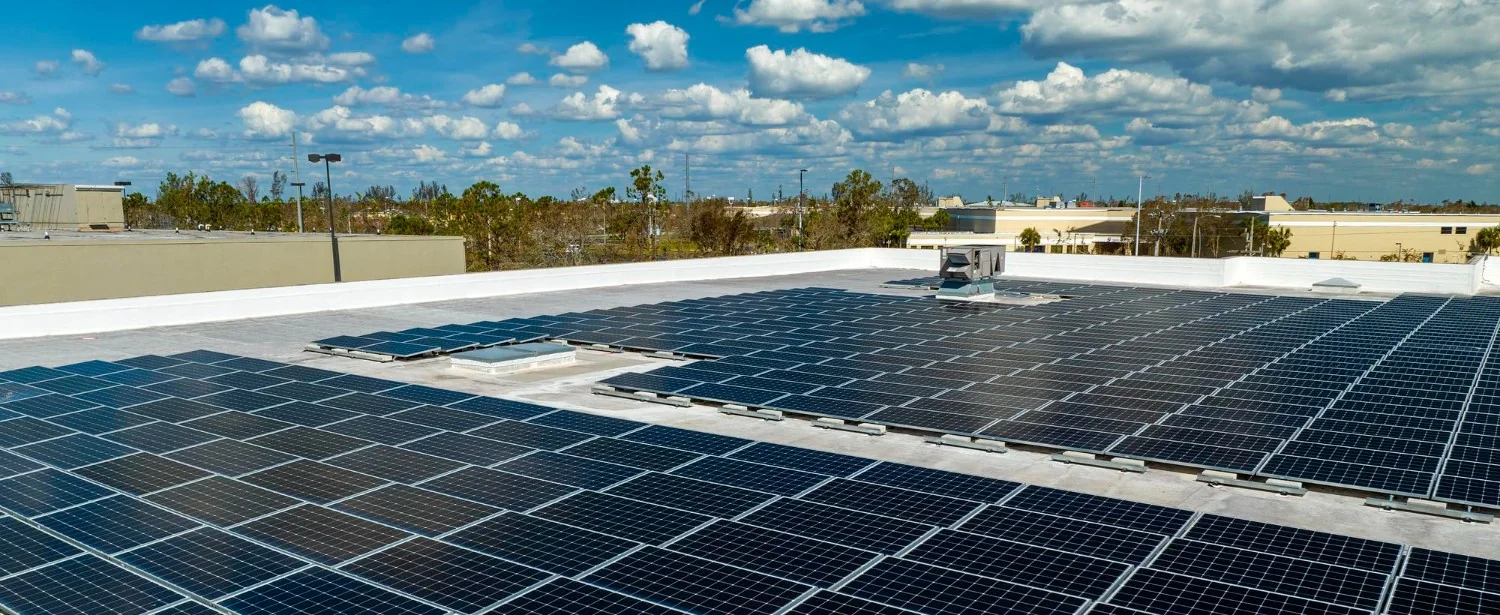
<ul><li><i>India’s rooftop solar capacity reached 30.7 GW in July 2026, increasing the need for better grid management and flexibility.</i></li><li><i>Kerala and Maharashtra are exploring battery ener…
• 𝘛𝘩𝘦 𝘌𝘐𝘉 𝘎𝘳𝘰𝘶𝘱 𝘱𝘭𝘢𝘯𝘴 𝘵𝘰 𝘱𝘳𝘰𝘷𝘪𝘥𝘦 𝘢𝘵 𝘭𝘦𝘢𝘴𝘵 €30 𝘣𝘪𝘭𝘭𝘪𝘰𝘯 𝘧𝘰𝘳 𝘤𝘭𝘪𝘮𝘢𝘵𝘦 𝘢𝘥𝘢𝘱𝘵𝘢𝘵𝘪𝘰𝘯 𝘣𝘦𝘵𝘸𝘦𝘦𝘯 2026 𝘢𝘯𝘥 2030. • 𝘛𝘩𝘦 𝘯𝘦𝘸 𝘵𝘢𝘳𝘨𝘦𝘵 𝘥𝘰𝘶𝘣𝘭𝘦𝘴 𝘢𝘥𝘢𝘱𝘵𝘢𝘵𝘪𝘰𝘯 𝘧𝘪𝘯𝘢𝘯𝘤𝘪𝘯𝘨 𝘤𝘰𝘮𝘱𝘢𝘳𝘦𝘥 𝘸𝘪𝘵𝘩 𝘵𝘩𝘦 𝘱𝘳𝘦𝘷𝘪𝘰𝘶𝘴 𝘧𝘪𝘷𝘦-𝘺𝘦𝘢𝘳 𝘱𝘦𝘳𝘪𝘰𝘥. • 𝘍𝘶𝘯𝘥𝘪𝘯𝘨…