


25 December 2025
The Roads and Transport Authority (RTA) in Dubai has established a Transport Data Analytics Lab to enhance smart mobility planning and support the emirate’s evolving sustainability goals. The lab will serve as a central platform for analysing transportation data, improving decision-making and optimising network performance across multiple modes of travel.
By leveraging advanced analytics, the initiative aims to improve traffic flow, reduce congestion and enable more efficient public transport services. Better insights into mobility patterns are expected to enhance service planning, reduce carbon emissions and contribute to overall improvements in road safety and commuter satisfaction.
Incorporating data-driven strategies will help Dubai align its transport infrastructure with environmental and urban development plans, supporting efforts to shift commuter behaviour toward cleaner modes of travel. This aligns with the broader vision of creating a smart, sustainable city with integrated transport systems.
The analytics lab will also serve as a resource for interagency collaboration, enabling widespread use of data insights to inform regulatory approaches, infrastructure investments and future mobility innovations.
Transport data analytics is one of the highest-value applications of smart-city infrastructure. Real-time visibility into traffic patterns, public-transport utilisation and modal choices enables both operational optimisation and evidence-based investment planning. For a rapidly-growing metropolis like Dubai, the difference between data-informed and legacy-planning transport decisions can determine whether the system delivers on sustainability and liveability goals.
The interagency collaboration dimension is equally important. Transport intersects with urban planning, environmental regulation, tourism, and public safety - coordinated data flows across agencies enable outcomes that siloed decision-making cannot deliver. Dubai's positioning as a smart-city reference model depends on demonstrating these coordination benefits at scale.
For transport operators, mobility technology providers, urban planners and financial institutions supporting sustainable-mobility investment, Cognitud's data and digital, climate action and impact assessment teams help clients evaluate mobility-analytics opportunities, structure data-partnership arrangements, and prepare disclosures aligned with SDG 11 and jurisdictional sustainable-transport frameworks that increasingly determine access to sustainable-mobility financing.

• 𝘛𝘩𝘦 𝘜𝘈𝘌 𝘍𝘰𝘰𝘥 𝘉𝘢𝘯𝘬 𝘢𝘯𝘥 𝘋𝘶𝘣𝘢𝘪’𝘴 𝘊𝘰𝘮𝘮𝘶𝘯𝘪𝘵𝘺 𝘋𝘦𝘷𝘦𝘭𝘰𝘱𝘮𝘦𝘯𝘵 𝘈𝘶𝘵𝘩𝘰𝘳𝘪𝘵𝘺 (𝘊𝘋𝘈) 𝘩𝘢𝘷𝘦 𝘴𝘪𝘨𝘯𝘦𝘥 𝘢𝘯 𝘢𝘨𝘳𝘦𝘦𝘮𝘦𝘯𝘵 𝘵𝘰 𝘤𝘰𝘭𝘭𝘦𝘤𝘵 𝘢𝘯𝘥 𝘳𝘦𝘥𝘪𝘴𝘵𝘳𝘪𝘣𝘶𝘵𝘦 𝘴𝘶𝘳𝘱𝘭𝘶𝘴 𝘧𝘰𝘰𝘥 𝘧𝘳𝘰𝘮 𝘸𝘦𝘥𝘥𝘪𝘯𝘨𝘴 𝘢𝘯𝘥 𝘦𝘷𝘦𝘯𝘵𝘴. • 𝘛𝘩𝘦 𝘪𝘯𝘪𝘵𝘪𝘢𝘵𝘪𝘷𝘦 𝘸𝘪𝘭𝘭 𝘧𝘰𝘭𝘭𝘰𝘸 𝘢𝘱𝘱𝘳𝘰𝘷𝘦𝘥…
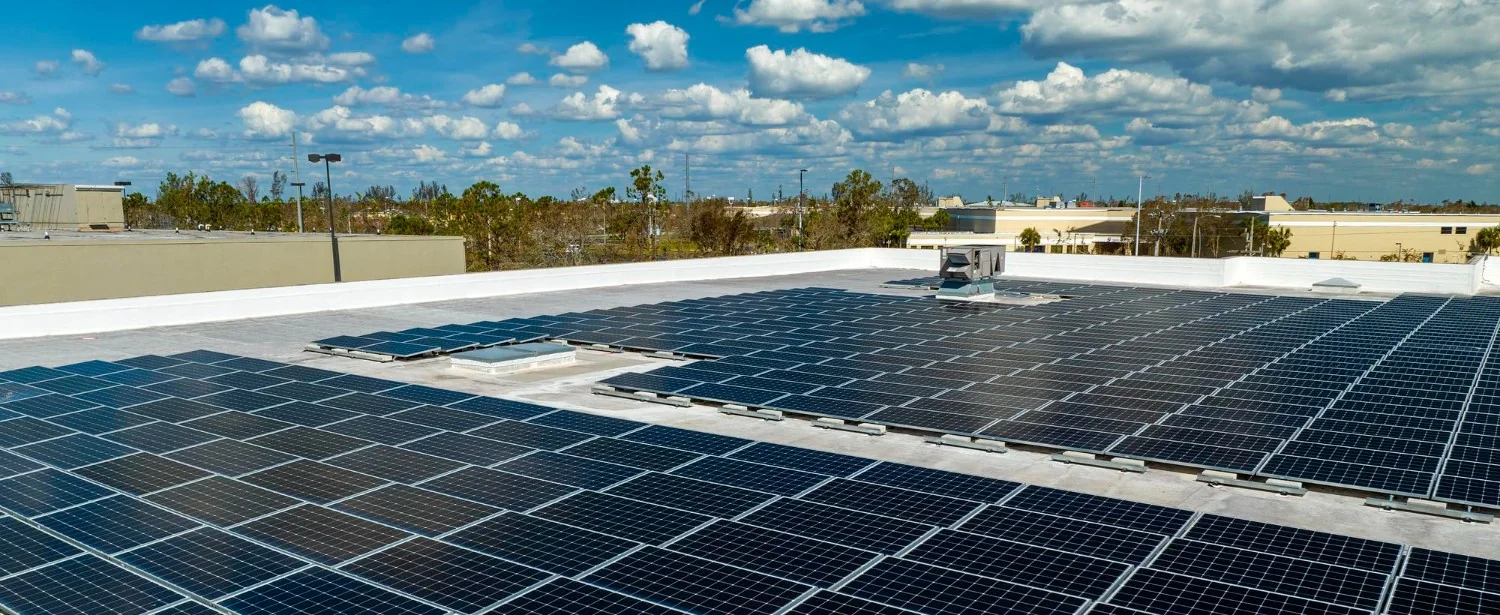
<ul><li><i>India’s rooftop solar capacity reached 30.7 GW in July 2026, increasing the need for better grid management and flexibility.</i></li><li><i>Kerala and Maharashtra are exploring battery ener…

• 𝘛𝘩𝘦 𝘌𝘐𝘉 𝘎𝘳𝘰𝘶𝘱 𝘱𝘭𝘢𝘯𝘴 𝘵𝘰 𝘱𝘳𝘰𝘷𝘪𝘥𝘦 𝘢𝘵 𝘭𝘦𝘢𝘴𝘵 €30 𝘣𝘪𝘭𝘭𝘪𝘰𝘯 𝘧𝘰𝘳 𝘤𝘭𝘪𝘮𝘢𝘵𝘦 𝘢𝘥𝘢𝘱𝘵𝘢𝘵𝘪𝘰𝘯 𝘣𝘦𝘵𝘸𝘦𝘦𝘯 2026 𝘢𝘯𝘥 2030. • 𝘛𝘩𝘦 𝘯𝘦𝘸 𝘵𝘢𝘳𝘨𝘦𝘵 𝘥𝘰𝘶𝘣𝘭𝘦𝘴 𝘢𝘥𝘢𝘱𝘵𝘢𝘵𝘪𝘰𝘯 𝘧𝘪𝘯𝘢𝘯𝘤𝘪𝘯𝘨 𝘤𝘰𝘮𝘱𝘢𝘳𝘦𝘥 𝘸𝘪𝘵𝘩 𝘵𝘩𝘦 𝘱𝘳𝘦𝘷𝘪𝘰𝘶𝘴 𝘧𝘪𝘷𝘦-𝘺𝘦𝘢𝘳 𝘱𝘦𝘳𝘪𝘰𝘥. • 𝘍𝘶𝘯𝘥𝘪𝘯𝘨…