

15 July 2026
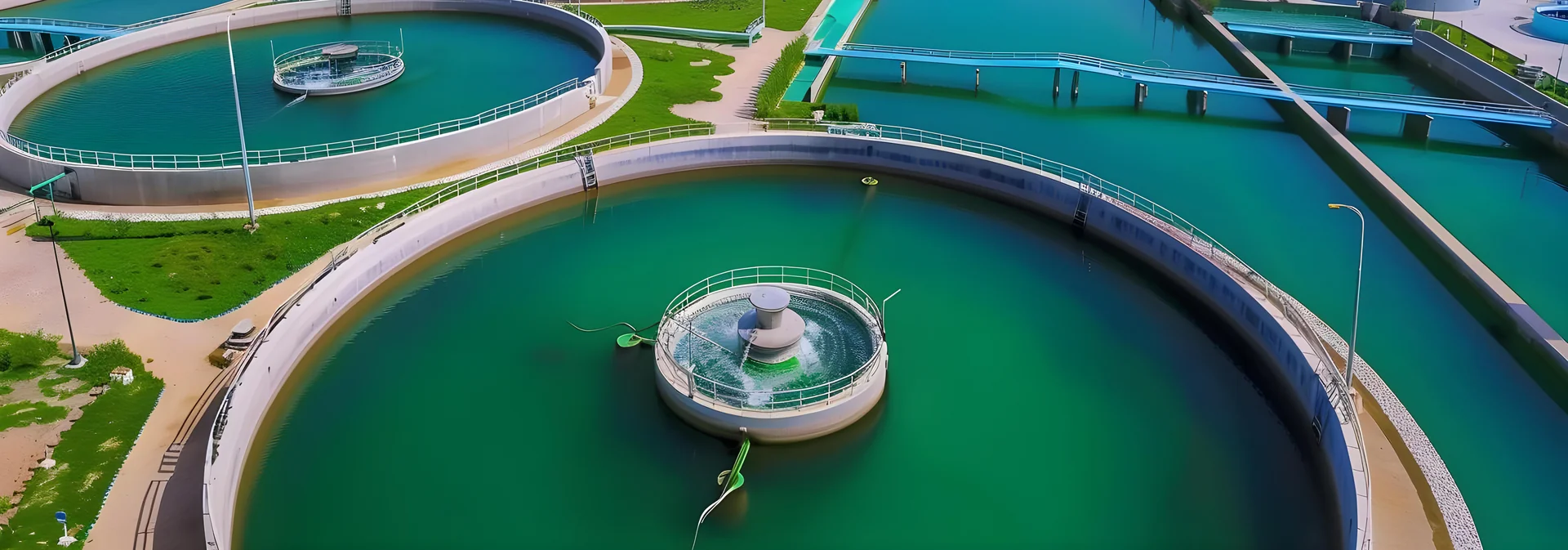
Dubai Electricity and Water Authority (DEWA) has announced plans to produce 100% of Dubai's desalinated water using clean energy and waste heat by 2030, reinforcing the emirate's commitment to sustainable water production and long-term climate goals. The initiative forms part of Dubai's integrated strategy to improve water security while reducing the carbon footprint of desalination.
DEWA is replacing conventional thermal desalination systems with reverse osmosis technology powered by clean electricity, significantly improving energy efficiency and lowering greenhouse gas emissions. The transition will enable desalinated water production to rely on renewable energy and waste heat generated from clean energy sources, reducing dependence on fossil fuel-based processes.
The initiative supports the Dubai Clean Energy Strategy 2050 and the Dubai Net Zero Carbon Emissions Strategy 2050, which seek to transform the emirate into a global hub for clean energy and sustainable development. By modernising its water infrastructure, Dubai aims to enhance operational efficiency while ensuring a reliable and resilient water supply for its growing population and economy.
The shift to clean energy-powered desalination represents a major milestone in Dubai's sustainability journey, demonstrating how integrated investments in renewable energy and advanced water technologies can strengthen resource efficiency, support climate action and improve long-term environmental resilience.
100 percent clean-energy-powered desalinated-water by 2030 through reverse-osmosis-plus-waste-heat architecture addresses the substantial emissions footprint of Gulf desalination. Legacy thermal desalination is energy-intensive and typically fossil-fuel-linked; reverse-osmosis powered by renewables plus waste-heat recovery transforms the sector's climate profile.
The technology-transition dimension is analytically important. Thermal-to-RO conversion involves substantial capital investment and operational reconfiguration; well-designed transition programmes sequence conversion to capture learning-curve benefits while managing water-supply continuity. Dubai's approach provides substantive template for water-scarce jurisdictions considering similar transitions.
For desalination operators, water-technology providers, renewable-energy developers, financial institutions and consultancies supporting Gulf water-sustainability investment, Cognitud's climate action, energy transition and impact assessment teams help clients evaluate desalination-decarbonisation investment opportunities, structure long-term commercial arrangements aligned with Dubai Net Zero 2050 priorities, and prepare disclosures aligned with CDP Water, UAE Net Zero 2050, ISSB and jurisdictional water-sustainability frameworks.

• 𝘛𝘩𝘦 𝘜𝘈𝘌 𝘍𝘰𝘰𝘥 𝘉𝘢𝘯𝘬 𝘢𝘯𝘥 𝘋𝘶𝘣𝘢𝘪’𝘴 𝘊𝘰𝘮𝘮𝘶𝘯𝘪𝘵𝘺 𝘋𝘦𝘷𝘦𝘭𝘰𝘱𝘮𝘦𝘯𝘵 𝘈𝘶𝘵𝘩𝘰𝘳𝘪𝘵𝘺 (𝘊𝘋𝘈) 𝘩𝘢𝘷𝘦 𝘴𝘪𝘨𝘯𝘦𝘥 𝘢𝘯 𝘢𝘨𝘳𝘦𝘦𝘮𝘦𝘯𝘵 𝘵𝘰 𝘤𝘰𝘭𝘭𝘦𝘤𝘵 𝘢𝘯𝘥 𝘳𝘦𝘥𝘪𝘴𝘵𝘳𝘪𝘣𝘶𝘵𝘦 𝘴𝘶𝘳𝘱𝘭𝘶𝘴 𝘧𝘰𝘰𝘥 𝘧𝘳𝘰𝘮 𝘸𝘦𝘥𝘥𝘪𝘯𝘨𝘴 𝘢𝘯𝘥 𝘦𝘷𝘦𝘯𝘵𝘴. • 𝘛𝘩𝘦 𝘪𝘯𝘪𝘵𝘪𝘢𝘵𝘪𝘷𝘦 𝘸𝘪𝘭𝘭 𝘧𝘰𝘭𝘭𝘰𝘸 𝘢𝘱𝘱𝘳𝘰𝘷𝘦𝘥…

<ul><li><i>India’s rooftop solar capacity reached 30.7 GW in July 2026, increasing the need for better grid management and flexibility.</i></li><li><i>Kerala and Maharashtra are exploring battery ener…

• 𝘛𝘩𝘦 𝘌𝘐𝘉 𝘎𝘳𝘰𝘶𝘱 𝘱𝘭𝘢𝘯𝘴 𝘵𝘰 𝘱𝘳𝘰𝘷𝘪𝘥𝘦 𝘢𝘵 𝘭𝘦𝘢𝘴𝘵 €30 𝘣𝘪𝘭𝘭𝘪𝘰𝘯 𝘧𝘰𝘳 𝘤𝘭𝘪𝘮𝘢𝘵𝘦 𝘢𝘥𝘢𝘱𝘵𝘢𝘵𝘪𝘰𝘯 𝘣𝘦𝘵𝘸𝘦𝘦𝘯 2026 𝘢𝘯𝘥 2030. • 𝘛𝘩𝘦 𝘯𝘦𝘸 𝘵𝘢𝘳𝘨𝘦𝘵 𝘥𝘰𝘶𝘣𝘭𝘦𝘴 𝘢𝘥𝘢𝘱𝘵𝘢𝘵𝘪𝘰𝘯 𝘧𝘪𝘯𝘢𝘯𝘤𝘪𝘯𝘨 𝘤𝘰𝘮𝘱𝘢𝘳𝘦𝘥 𝘸𝘪𝘵𝘩 𝘵𝘩𝘦 𝘱𝘳𝘦𝘷𝘪𝘰𝘶𝘴 𝘧𝘪𝘷𝘦-𝘺𝘦𝘢𝘳 𝘱𝘦𝘳𝘪𝘰𝘥. • 𝘍𝘶𝘯𝘥𝘪𝘯𝘨…