


09 March 2026
Dubai Municipality has launched the ‘Ehsan Stations’ initiative, introducing AI-powered smart feeding devices designed to support stray animals across the emirate. The programme aims to improve animal welfare while promoting responsible and organised feeding practices in public spaces.
As part of the pilot phase, 12 smart stations will be installed in key locations, including public parks and municipal facilities. The stations use artificial intelligence to identify stray animals, collect data and automatically dispense food, helping authorities manage stray populations more effectively.
Officials say the initiative is intended to reduce unregulated feeding in public areas, which can sometimes create environmental or public health concerns. By providing a controlled system for feeding animals, the project aims to maintain urban cleanliness while supporting humane treatment of wildlife.
The initiative also complements Dubai’s broader animal welfare strategy, which includes shelter programmes and Trap–Neuter–Return (TNR) and vaccination initiatives for stray animals. Authorities say these measures help maintain ecological balance and promote sustainable urban biodiversity management.
AI-enabled urban infrastructure like Ehsan Stations reflects a broader trend of embedding smart-systems capability into services that were traditionally low-tech. Managed stray-animal feeding addresses genuine urban management challenges - unregulated feeding creates hygiene, pest and habitat pressures - while advancing welfare objectives that align with Dubai's broader animal-protection framework.
The programme's data-collection element also matters strategically. Population-monitoring data supports TNR (trap-neuter-return) and vaccination programme design, and provides evidence for adaptive management of urban biodiversity - a small but growing area of city-level sustainability programming globally.
For urban authorities, technology providers, animal-welfare organisations and their financial and CSR partners, Cognitud's data and digital, impact assessment and CSR teams help clients design integrated smart-city welfare programmes, structure impact-measurement frameworks aligned with SDG 11 and 15, and prepare disclosures that translate urban-management innovation into credible sustainability-programme narratives for community and stakeholder engagement.

• 𝘛𝘩𝘦 𝘜𝘈𝘌 𝘍𝘰𝘰𝘥 𝘉𝘢𝘯𝘬 𝘢𝘯𝘥 𝘋𝘶𝘣𝘢𝘪’𝘴 𝘊𝘰𝘮𝘮𝘶𝘯𝘪𝘵𝘺 𝘋𝘦𝘷𝘦𝘭𝘰𝘱𝘮𝘦𝘯𝘵 𝘈𝘶𝘵𝘩𝘰𝘳𝘪𝘵𝘺 (𝘊𝘋𝘈) 𝘩𝘢𝘷𝘦 𝘴𝘪𝘨𝘯𝘦𝘥 𝘢𝘯 𝘢𝘨𝘳𝘦𝘦𝘮𝘦𝘯𝘵 𝘵𝘰 𝘤𝘰𝘭𝘭𝘦𝘤𝘵 𝘢𝘯𝘥 𝘳𝘦𝘥𝘪𝘴𝘵𝘳𝘪𝘣𝘶𝘵𝘦 𝘴𝘶𝘳𝘱𝘭𝘶𝘴 𝘧𝘰𝘰𝘥 𝘧𝘳𝘰𝘮 𝘸𝘦𝘥𝘥𝘪𝘯𝘨𝘴 𝘢𝘯𝘥 𝘦𝘷𝘦𝘯𝘵𝘴. • 𝘛𝘩𝘦 𝘪𝘯𝘪𝘵𝘪𝘢𝘵𝘪𝘷𝘦 𝘸𝘪𝘭𝘭 𝘧𝘰𝘭𝘭𝘰𝘸 𝘢𝘱𝘱𝘳𝘰𝘷𝘦𝘥…
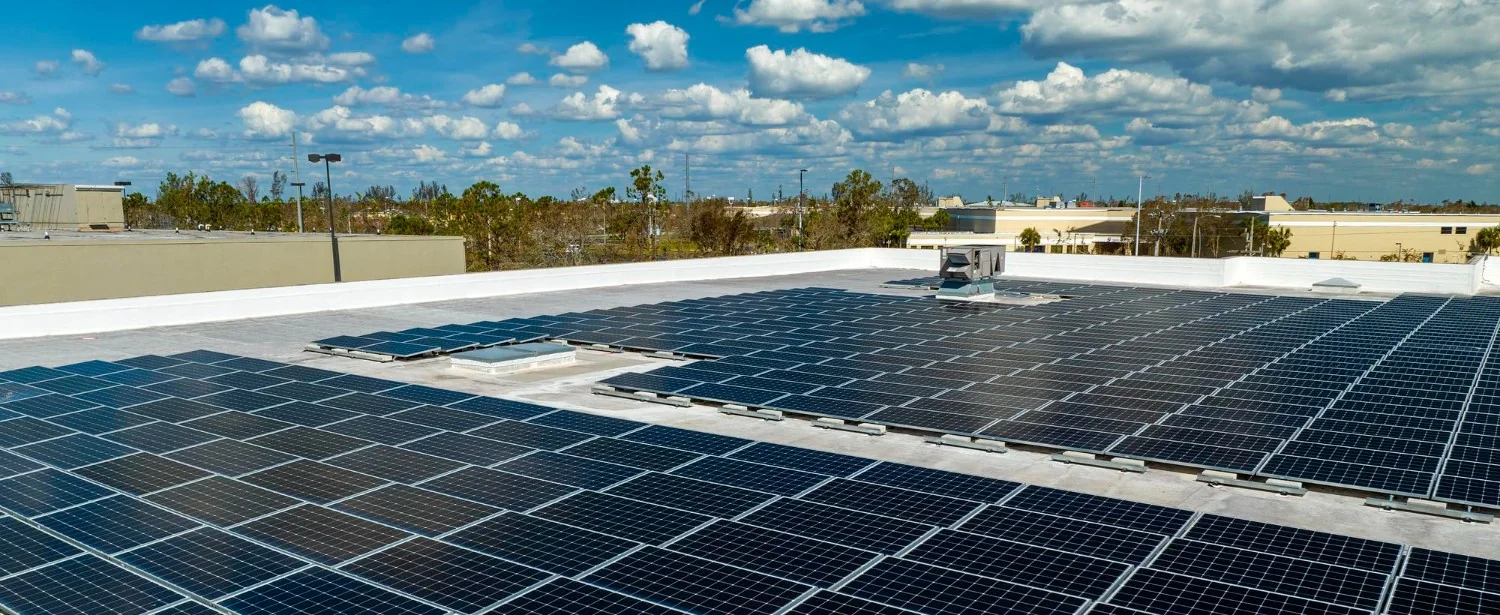
<ul><li><i>India’s rooftop solar capacity reached 30.7 GW in July 2026, increasing the need for better grid management and flexibility.</i></li><li><i>Kerala and Maharashtra are exploring battery ener…

• 𝘛𝘩𝘦 𝘌𝘐𝘉 𝘎𝘳𝘰𝘶𝘱 𝘱𝘭𝘢𝘯𝘴 𝘵𝘰 𝘱𝘳𝘰𝘷𝘪𝘥𝘦 𝘢𝘵 𝘭𝘦𝘢𝘴𝘵 €30 𝘣𝘪𝘭𝘭𝘪𝘰𝘯 𝘧𝘰𝘳 𝘤𝘭𝘪𝘮𝘢𝘵𝘦 𝘢𝘥𝘢𝘱𝘵𝘢𝘵𝘪𝘰𝘯 𝘣𝘦𝘵𝘸𝘦𝘦𝘯 2026 𝘢𝘯𝘥 2030. • 𝘛𝘩𝘦 𝘯𝘦𝘸 𝘵𝘢𝘳𝘨𝘦𝘵 𝘥𝘰𝘶𝘣𝘭𝘦𝘴 𝘢𝘥𝘢𝘱𝘵𝘢𝘵𝘪𝘰𝘯 𝘧𝘪𝘯𝘢𝘯𝘤𝘪𝘯𝘨 𝘤𝘰𝘮𝘱𝘢𝘳𝘦𝘥 𝘸𝘪𝘵𝘩 𝘵𝘩𝘦 𝘱𝘳𝘦𝘷𝘪𝘰𝘶𝘴 𝘧𝘪𝘷𝘦-𝘺𝘦𝘢𝘳 𝘱𝘦𝘳𝘪𝘰𝘥. • 𝘍𝘶𝘯𝘥𝘪𝘯𝘨…