


24 December 2025
Dubai Municipality has issued comprehensive guidelines outlining compliance requirements for the final phase of its single-use plastic ban, which becomes effective on 1 January 2026. This phase expands existing restrictions on plastic products as part of a broader national strategy on waste reduction and circular economy practices.
Under the expanded regulation, a wider range of commonly used single-use items - including plates, cutlery, drinkware and other disposables - will be prohibited across the emirate. The guidelines are intended to assist businesses, institutions and consumers with identifying approved alternatives and transitioning smoothly prior to enforcement.
The municipality emphasised that the ban, legislated under Executive Council and Cabinet resolutions, reflects Dubai’s commitment to environmental protection, enhanced quality of life and reduced plastic pollution. Public awareness campaigns and educational outreach are being rolled out to support behavioural change and ensure widespread compliance.
Officials noted that the phased implementation approach has allowed stakeholders time to adapt, with earlier phases having already restricted items like polystyrene containers, straws and stirrers. The final phase underscores the emirate’s ambition to lead sustainability efforts within the region’s urban centres.
The January 2026 final-phase implementation covering plates, cutlery, drinkware and additional disposables completes Dubai's multi-year phased approach to single-use plastic elimination. Well-designed phased implementation - starting with polystyrene, straws and stirrers before moving to more widely-used items - allows the alternatives market to develop and consumer behaviour to adapt progressively.
The regulatory architecture (Executive Council and Cabinet resolutions) combined with detailed compliance guidelines and public awareness campaigns reflects understanding that successful bans require substantially more than legal prohibition. Enforcement capacity, alternative-product availability, and consumer-behaviour support all need to combine.
For consumer-goods brands, retailers, food-service operators, packaging suppliers and their CSR partners across the UAE, Cognitud's circular economy, supply chain and operations and impact assessment teams help clients evaluate final-phase compliance requirements, structure supplier-engagement programmes on sustainable-packaging alternatives, and prepare disclosures aligned with SDG 12, EPR frameworks and jurisdictional plastic-management requirements that increasingly determine competitive positioning across regional consumer markets.

• 𝘛𝘩𝘦 𝘜𝘈𝘌 𝘍𝘰𝘰𝘥 𝘉𝘢𝘯𝘬 𝘢𝘯𝘥 𝘋𝘶𝘣𝘢𝘪’𝘴 𝘊𝘰𝘮𝘮𝘶𝘯𝘪𝘵𝘺 𝘋𝘦𝘷𝘦𝘭𝘰𝘱𝘮𝘦𝘯𝘵 𝘈𝘶𝘵𝘩𝘰𝘳𝘪𝘵𝘺 (𝘊𝘋𝘈) 𝘩𝘢𝘷𝘦 𝘴𝘪𝘨𝘯𝘦𝘥 𝘢𝘯 𝘢𝘨𝘳𝘦𝘦𝘮𝘦𝘯𝘵 𝘵𝘰 𝘤𝘰𝘭𝘭𝘦𝘤𝘵 𝘢𝘯𝘥 𝘳𝘦𝘥𝘪𝘴𝘵𝘳𝘪𝘣𝘶𝘵𝘦 𝘴𝘶𝘳𝘱𝘭𝘶𝘴 𝘧𝘰𝘰𝘥 𝘧𝘳𝘰𝘮 𝘸𝘦𝘥𝘥𝘪𝘯𝘨𝘴 𝘢𝘯𝘥 𝘦𝘷𝘦𝘯𝘵𝘴. • 𝘛𝘩𝘦 𝘪𝘯𝘪𝘵𝘪𝘢𝘵𝘪𝘷𝘦 𝘸𝘪𝘭𝘭 𝘧𝘰𝘭𝘭𝘰𝘸 𝘢𝘱𝘱𝘳𝘰𝘷𝘦𝘥…
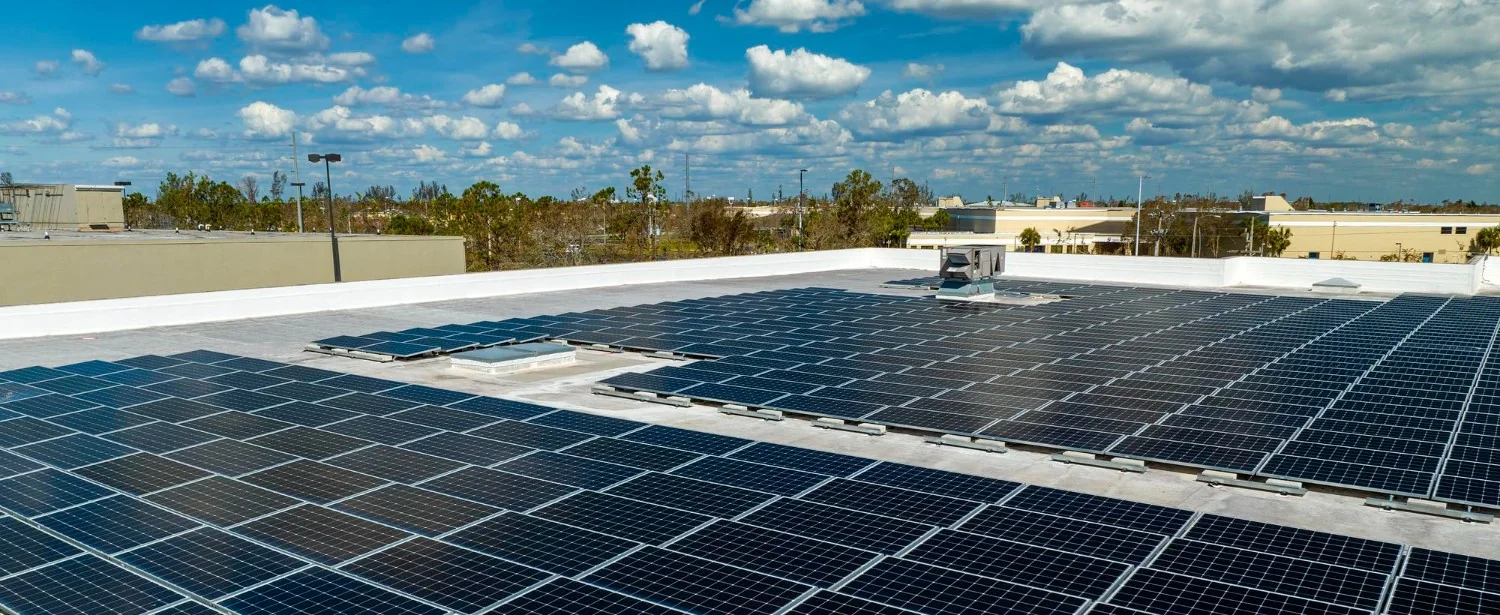
<ul><li><i>India’s rooftop solar capacity reached 30.7 GW in July 2026, increasing the need for better grid management and flexibility.</i></li><li><i>Kerala and Maharashtra are exploring battery ener…
• 𝘛𝘩𝘦 𝘌𝘐𝘉 𝘎𝘳𝘰𝘶𝘱 𝘱𝘭𝘢𝘯𝘴 𝘵𝘰 𝘱𝘳𝘰𝘷𝘪𝘥𝘦 𝘢𝘵 𝘭𝘦𝘢𝘴𝘵 €30 𝘣𝘪𝘭𝘭𝘪𝘰𝘯 𝘧𝘰𝘳 𝘤𝘭𝘪𝘮𝘢𝘵𝘦 𝘢𝘥𝘢𝘱𝘵𝘢𝘵𝘪𝘰𝘯 𝘣𝘦𝘵𝘸𝘦𝘦𝘯 2026 𝘢𝘯𝘥 2030. • 𝘛𝘩𝘦 𝘯𝘦𝘸 𝘵𝘢𝘳𝘨𝘦𝘵 𝘥𝘰𝘶𝘣𝘭𝘦𝘴 𝘢𝘥𝘢𝘱𝘵𝘢𝘵𝘪𝘰𝘯 𝘧𝘪𝘯𝘢𝘯𝘤𝘪𝘯𝘨 𝘤𝘰𝘮𝘱𝘢𝘳𝘦𝘥 𝘸𝘪𝘵𝘩 𝘵𝘩𝘦 𝘱𝘳𝘦𝘷𝘪𝘰𝘶𝘴 𝘧𝘪𝘷𝘦-𝘺𝘦𝘢𝘳 𝘱𝘦𝘳𝘪𝘰𝘥. • 𝘍𝘶𝘯𝘥𝘪𝘯𝘨…