

.jpg)
18 September 2025
More than 100 Democratic lawmakers are urging the Trump administration to abandon its plan to repeal U.S. vehicle emission limits, warning the move would cost jobs, weaken the auto industry, and undermine climate progress.
In a letter led by Representative Doris Matsui and signed by 101 colleagues including Alexandria Ocasio-Cortez and Jerrold Nadler, lawmakers called on the Environmental Protection Agency (EPA) to drop its proposal to rescind all greenhouse gas standards for light-, medium-, and heavy-duty vehicles. The group argued that eliminating the rules would cede global automotive leadership to China and wipe out $1.3 trillion in fuel and maintenance savings for U.S. consumers.
The Trump EPA has already announced plans to revoke the “endangerment finding” that greenhouse gases threaten human health, a move that would strip the legal basis for all U.S. climate regulations, including limits on vehicle pollution.
"If we turn our backs on clean vehicle technologies, the next generation of American vehicles will be significantly more expensive to fuel, maintain, and repair," the letter stated.
The letter comes as Trump dismantles multiple clean vehicle policies, including California’s 2035 gasoline car ban and penalties for automakers failing fuel economy targets.
Repealing the 2009 endangerment finding - the legal foundation for all US greenhouse-gas regulations - would represent a structural rather than incremental change to US climate policy. If successful, it would strip the statutory basis not just for vehicle emissions rules but for power-plant and industrial GHG regulations as well. The move would face substantial legal challenge given the well-established scientific record supporting the original finding.
The $1.3 trillion consumer-savings estimate cited by Democratic lawmakers reflects the fuel and maintenance cost differential over vehicle-lifetime between conventional and electric vehicles. For consumers, the aggregate benefit is substantial even absent climate considerations - meaning the policy debate involves both environmental and household-economic tradeoffs.
For automotive OEMs, EV manufacturers, charging-infrastructure operators and financial institutions supporting clean-mobility investment, Cognitud's climate action, market intelligence and ESG strategy teams help clients build scenario-based transition strategies robust across regulatory outcomes, structure capital plans, and prepare disclosures aligned with CDP Auto, ISSB and jurisdictional automotive-sustainability frameworks in a volatile US regulatory environment.

• 𝘛𝘩𝘦 𝘜𝘈𝘌 𝘍𝘰𝘰𝘥 𝘉𝘢𝘯𝘬 𝘢𝘯𝘥 𝘋𝘶𝘣𝘢𝘪’𝘴 𝘊𝘰𝘮𝘮𝘶𝘯𝘪𝘵𝘺 𝘋𝘦𝘷𝘦𝘭𝘰𝘱𝘮𝘦𝘯𝘵 𝘈𝘶𝘵𝘩𝘰𝘳𝘪𝘵𝘺 (𝘊𝘋𝘈) 𝘩𝘢𝘷𝘦 𝘴𝘪𝘨𝘯𝘦𝘥 𝘢𝘯 𝘢𝘨𝘳𝘦𝘦𝘮𝘦𝘯𝘵 𝘵𝘰 𝘤𝘰𝘭𝘭𝘦𝘤𝘵 𝘢𝘯𝘥 𝘳𝘦𝘥𝘪𝘴𝘵𝘳𝘪𝘣𝘶𝘵𝘦 𝘴𝘶𝘳𝘱𝘭𝘶𝘴 𝘧𝘰𝘰𝘥 𝘧𝘳𝘰𝘮 𝘸𝘦𝘥𝘥𝘪𝘯𝘨𝘴 𝘢𝘯𝘥 𝘦𝘷𝘦𝘯𝘵𝘴. • 𝘛𝘩𝘦 𝘪𝘯𝘪𝘵𝘪𝘢𝘵𝘪𝘷𝘦 𝘸𝘪𝘭𝘭 𝘧𝘰𝘭𝘭𝘰𝘸 𝘢𝘱𝘱𝘳𝘰𝘷𝘦𝘥…
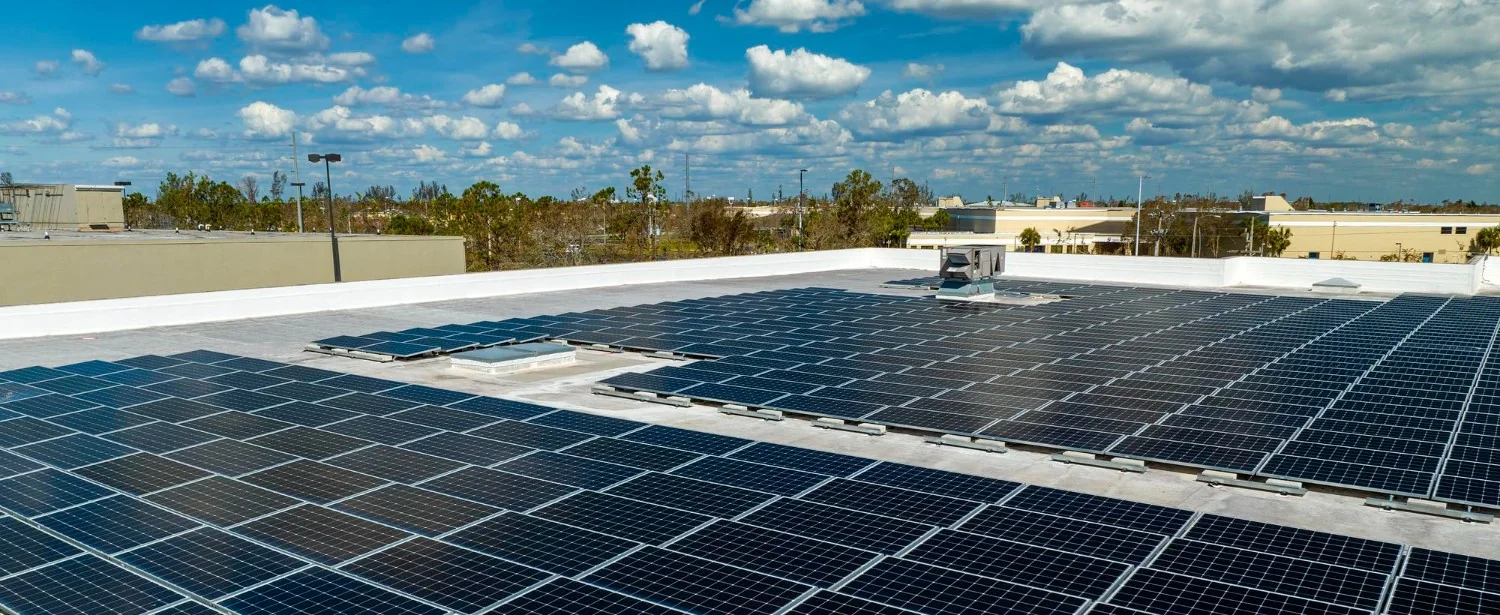
<ul><li><i>India’s rooftop solar capacity reached 30.7 GW in July 2026, increasing the need for better grid management and flexibility.</i></li><li><i>Kerala and Maharashtra are exploring battery ener…

• 𝘛𝘩𝘦 𝘌𝘐𝘉 𝘎𝘳𝘰𝘶𝘱 𝘱𝘭𝘢𝘯𝘴 𝘵𝘰 𝘱𝘳𝘰𝘷𝘪𝘥𝘦 𝘢𝘵 𝘭𝘦𝘢𝘴𝘵 €30 𝘣𝘪𝘭𝘭𝘪𝘰𝘯 𝘧𝘰𝘳 𝘤𝘭𝘪𝘮𝘢𝘵𝘦 𝘢𝘥𝘢𝘱𝘵𝘢𝘵𝘪𝘰𝘯 𝘣𝘦𝘵𝘸𝘦𝘦𝘯 2026 𝘢𝘯𝘥 2030. • 𝘛𝘩𝘦 𝘯𝘦𝘸 𝘵𝘢𝘳𝘨𝘦𝘵 𝘥𝘰𝘶𝘣𝘭𝘦𝘴 𝘢𝘥𝘢𝘱𝘵𝘢𝘵𝘪𝘰𝘯 𝘧𝘪𝘯𝘢𝘯𝘤𝘪𝘯𝘨 𝘤𝘰𝘮𝘱𝘢𝘳𝘦𝘥 𝘸𝘪𝘵𝘩 𝘵𝘩𝘦 𝘱𝘳𝘦𝘷𝘪𝘰𝘶𝘴 𝘧𝘪𝘷𝘦-𝘺𝘦𝘢𝘳 𝘱𝘦𝘳𝘪𝘰𝘥. • 𝘍𝘶𝘯𝘥𝘪𝘯𝘨…