

08 December 2025
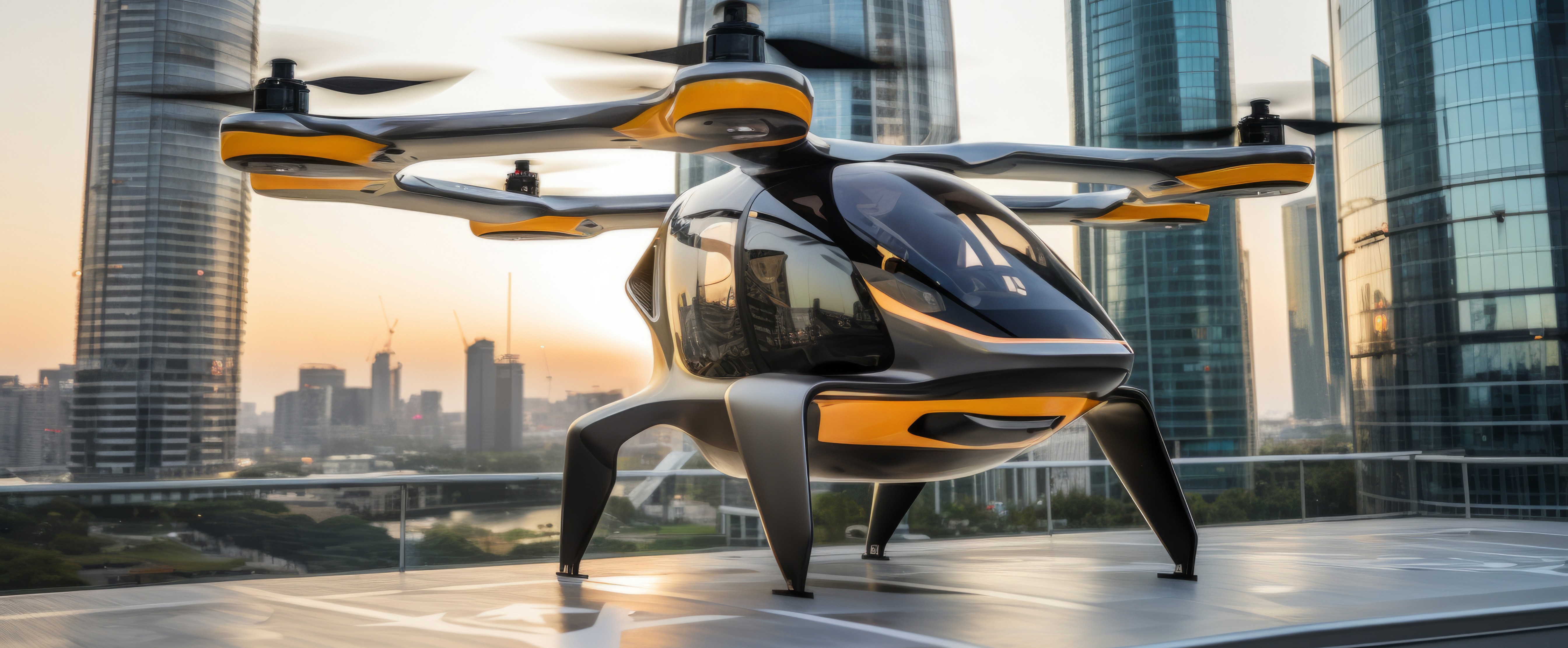
Dubai has started constructing its first air taxi vertiport near Dubai International Airport, marking a landmark step toward advanced urban air mobility. The facility is planned to serve electric vertical take-off and landing (eVTOL) vehicles, enabling rapid, low-emission travel across the city. Authorities anticipate operational readiness by early 2026, integrating this station into a broader network of vertiports across Dubai.
The project aims to reduce traffic congestion and cut travel times for commuters and tourists, complementing Dubai’s sustainable urban transport strategy. The initiative aligns with global trends toward aerial mobility, offering clean, efficient alternatives to road travel. Additionally, this development is expected to stimulate technological innovation, infrastructure development, and employment opportunities in aviation, logistics, and urban planning sectors.
Officials emphasised that the vertiport network will be equipped with energy-efficient systems, smart traffic management, and integrated safety protocols to ensure safe, reliable, and environmentally friendly operations. This project represents Dubai’s commitment to leveraging cutting-edge technology for sustainable urban mobility while positioning the city as a global leader in smart transportation solutions.
First-of-a-kind vertiport infrastructure at Dubai International Airport is a substantive commitment to urban air mobility rather than a technology showcase. The 2026 operational target combined with plans for a broader network signals intent to establish functional eVTOL services rather than one-off demonstration flights.
The sustainability case for eVTOL depends on the electricity source and use-case. Electric aircraft on renewable-powered grids can offer emissions advantages over conventional urban transport for specific applications (short-hop connections, airport transfers). However, full lifecycle emissions comparison including manufacturing and infrastructure remains contested.
For urban-mobility operators, aviation regulators, infrastructure investors and technology providers, Cognitud's data and digital, climate action and impact assessment teams help clients evaluate emerging-mobility opportunities, structure investment cases that reflect both innovation potential and regulatory-infrastructure gaps, and prepare disclosures that translate speculative-technology adoption into credible sustainable-city and net-zero progress narratives.

• 𝘛𝘩𝘦 𝘜𝘈𝘌 𝘍𝘰𝘰𝘥 𝘉𝘢𝘯𝘬 𝘢𝘯𝘥 𝘋𝘶𝘣𝘢𝘪’𝘴 𝘊𝘰𝘮𝘮𝘶𝘯𝘪𝘵𝘺 𝘋𝘦𝘷𝘦𝘭𝘰𝘱𝘮𝘦𝘯𝘵 𝘈𝘶𝘵𝘩𝘰𝘳𝘪𝘵𝘺 (𝘊𝘋𝘈) 𝘩𝘢𝘷𝘦 𝘴𝘪𝘨𝘯𝘦𝘥 𝘢𝘯 𝘢𝘨𝘳𝘦𝘦𝘮𝘦𝘯𝘵 𝘵𝘰 𝘤𝘰𝘭𝘭𝘦𝘤𝘵 𝘢𝘯𝘥 𝘳𝘦𝘥𝘪𝘴𝘵𝘳𝘪𝘣𝘶𝘵𝘦 𝘴𝘶𝘳𝘱𝘭𝘶𝘴 𝘧𝘰𝘰𝘥 𝘧𝘳𝘰𝘮 𝘸𝘦𝘥𝘥𝘪𝘯𝘨𝘴 𝘢𝘯𝘥 𝘦𝘷𝘦𝘯𝘵𝘴. • 𝘛𝘩𝘦 𝘪𝘯𝘪𝘵𝘪𝘢𝘵𝘪𝘷𝘦 𝘸𝘪𝘭𝘭 𝘧𝘰𝘭𝘭𝘰𝘸 𝘢𝘱𝘱𝘳𝘰𝘷𝘦𝘥…

<ul><li><i>India’s rooftop solar capacity reached 30.7 GW in July 2026, increasing the need for better grid management and flexibility.</i></li><li><i>Kerala and Maharashtra are exploring battery ener…

• 𝘛𝘩𝘦 𝘌𝘐𝘉 𝘎𝘳𝘰𝘶𝘱 𝘱𝘭𝘢𝘯𝘴 𝘵𝘰 𝘱𝘳𝘰𝘷𝘪𝘥𝘦 𝘢𝘵 𝘭𝘦𝘢𝘴𝘵 €30 𝘣𝘪𝘭𝘭𝘪𝘰𝘯 𝘧𝘰𝘳 𝘤𝘭𝘪𝘮𝘢𝘵𝘦 𝘢𝘥𝘢𝘱𝘵𝘢𝘵𝘪𝘰𝘯 𝘣𝘦𝘵𝘸𝘦𝘦𝘯 2026 𝘢𝘯𝘥 2030. • 𝘛𝘩𝘦 𝘯𝘦𝘸 𝘵𝘢𝘳𝘨𝘦𝘵 𝘥𝘰𝘶𝘣𝘭𝘦𝘴 𝘢𝘥𝘢𝘱𝘵𝘢𝘵𝘪𝘰𝘯 𝘧𝘪𝘯𝘢𝘯𝘤𝘪𝘯𝘨 𝘤𝘰𝘮𝘱𝘢𝘳𝘦𝘥 𝘸𝘪𝘵𝘩 𝘵𝘩𝘦 𝘱𝘳𝘦𝘷𝘪𝘰𝘶𝘴 𝘧𝘪𝘷𝘦-𝘺𝘦𝘢𝘳 𝘱𝘦𝘳𝘪𝘰𝘥. • 𝘍𝘶𝘯𝘥𝘪𝘯𝘨…