
26 August 2025
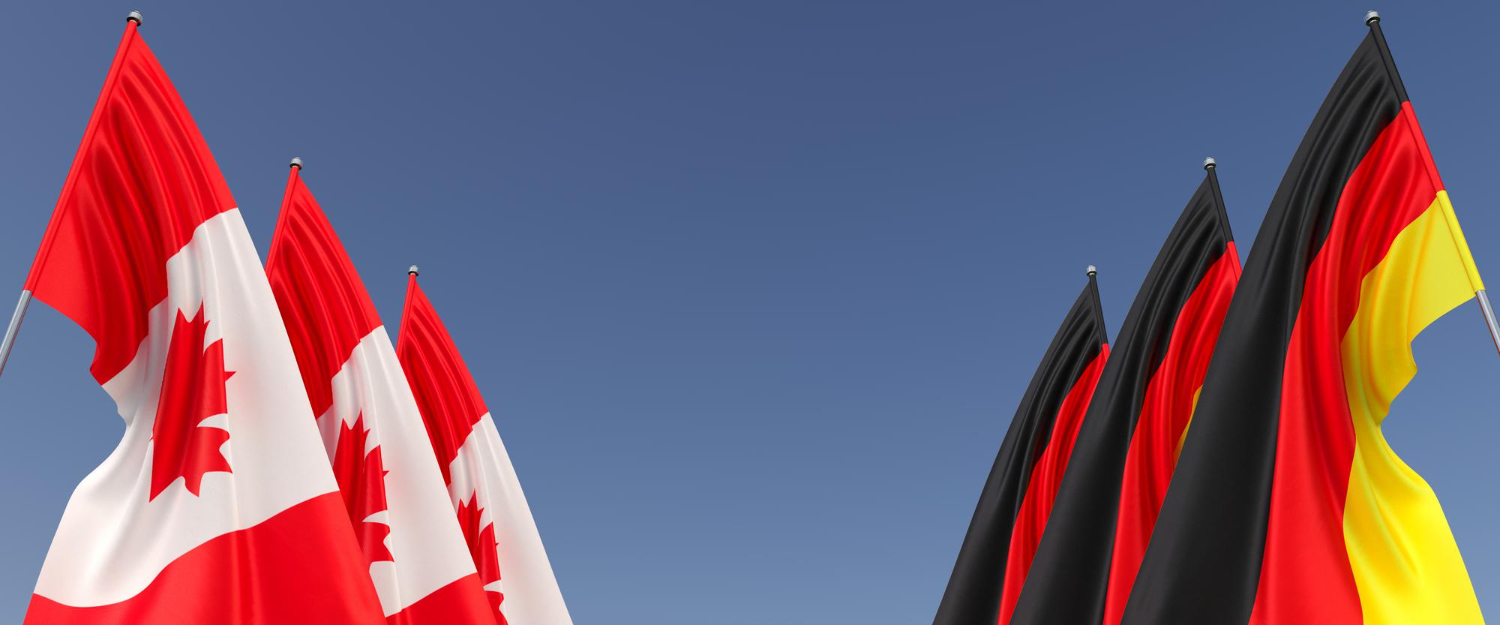
Canada is set to deepen its energy relationship with Germany through a new critical minerals partnership that will jointly finance natural resource projects, Prime Minister Mark Carney announced during his European tour.
The deal aims to boost the development of key Canadian minerals like nickel and cobalt, sectors long underdeveloped as China and Russia dominate the global supply chain. The partnership will also expand cooperation on liquefied natural gas (LNG) and hydrogen energy.
Carney emphasized the strategic importance of securing reliable energy and mineral supplies to support the clean energy transition. Earlier today, Carney met with German Chancellor Friedrich Merz to finalize the agreement and discuss global challenges, including the war in Ukraine.
Both leaders reaffirmed that decisions on Ukraine’s future must fully involve the country, underscoring their united stance on energy security and geopolitical stability.
Critical minerals - nickel, cobalt, rare earths, lithium - sit at the intersection of the energy transition and geopolitical realignment. G7 economies are actively diversifying supply chains away from Chinese processing and Russian extraction, and Canada's endowment in nickel and cobalt makes it a natural partner for Germany's industrial and automotive sectors as EV and battery capacity scale.
The pact's dual channel - critical minerals plus LNG and hydrogen cooperation - reflects the reality that energy security and clean-energy transition are increasingly co-planned rather than sequenced. For Canadian producers, joint financing arrangements with a large European offtaker can materially reduce project development risk; for German industry, secured mineral supply insulates against upstream supply shocks.
For mining, EV, battery and industrial clients navigating the new critical-minerals landscape, Cognitud's supply chain and operations, market intelligence and sustainability due diligence teams support supplier evaluation, ESG due diligence aligned with IRMA and OECD standards, and disclosure frameworks that increasingly determine which mineral supply chains can access Western capital markets and preferred customer relationships.

• 𝘛𝘩𝘦 𝘜𝘈𝘌 𝘍𝘰𝘰𝘥 𝘉𝘢𝘯𝘬 𝘢𝘯𝘥 𝘋𝘶𝘣𝘢𝘪’𝘴 𝘊𝘰𝘮𝘮𝘶𝘯𝘪𝘵𝘺 𝘋𝘦𝘷𝘦𝘭𝘰𝘱𝘮𝘦𝘯𝘵 𝘈𝘶𝘵𝘩𝘰𝘳𝘪𝘵𝘺 (𝘊𝘋𝘈) 𝘩𝘢𝘷𝘦 𝘴𝘪𝘨𝘯𝘦𝘥 𝘢𝘯 𝘢𝘨𝘳𝘦𝘦𝘮𝘦𝘯𝘵 𝘵𝘰 𝘤𝘰𝘭𝘭𝘦𝘤𝘵 𝘢𝘯𝘥 𝘳𝘦𝘥𝘪𝘴𝘵𝘳𝘪𝘣𝘶𝘵𝘦 𝘴𝘶𝘳𝘱𝘭𝘶𝘴 𝘧𝘰𝘰𝘥 𝘧𝘳𝘰𝘮 𝘸𝘦𝘥𝘥𝘪𝘯𝘨𝘴 𝘢𝘯𝘥 𝘦𝘷𝘦𝘯𝘵𝘴. • 𝘛𝘩𝘦 𝘪𝘯𝘪𝘵𝘪𝘢𝘵𝘪𝘷𝘦 𝘸𝘪𝘭𝘭 𝘧𝘰𝘭𝘭𝘰𝘸 𝘢𝘱𝘱𝘳𝘰𝘷𝘦𝘥…
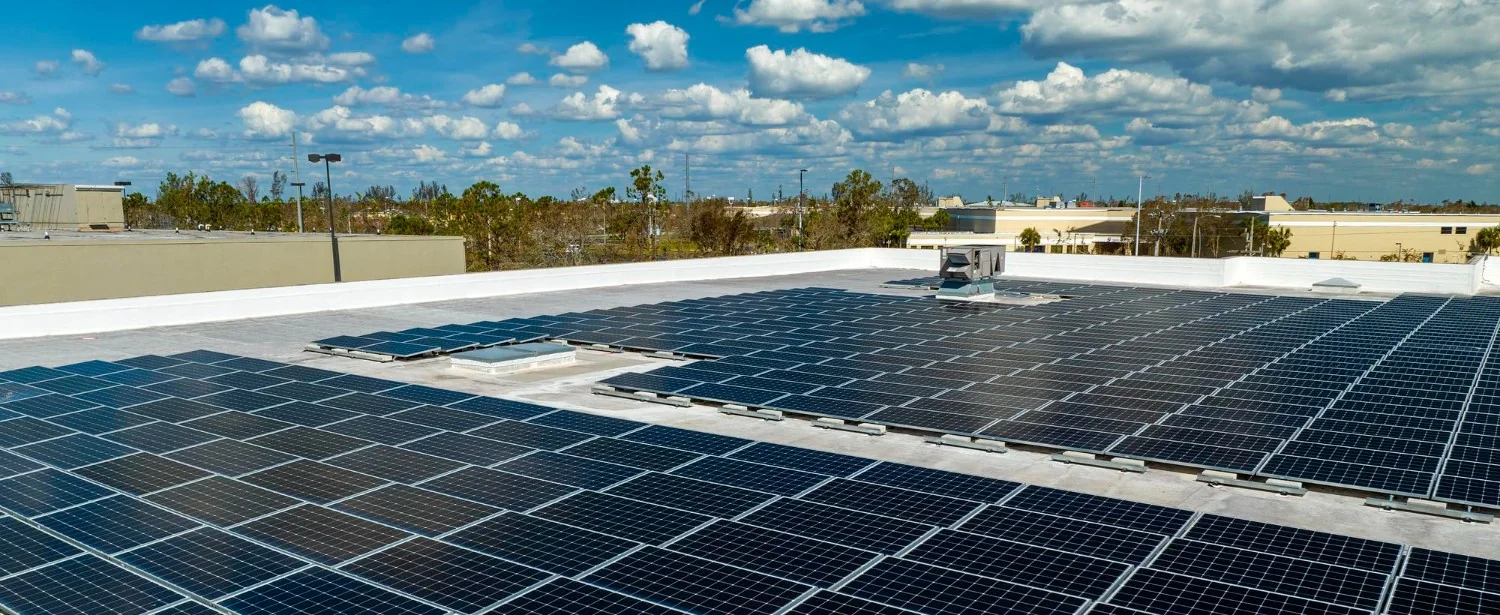
<ul><li><i>India’s rooftop solar capacity reached 30.7 GW in July 2026, increasing the need for better grid management and flexibility.</i></li><li><i>Kerala and Maharashtra are exploring battery ener…
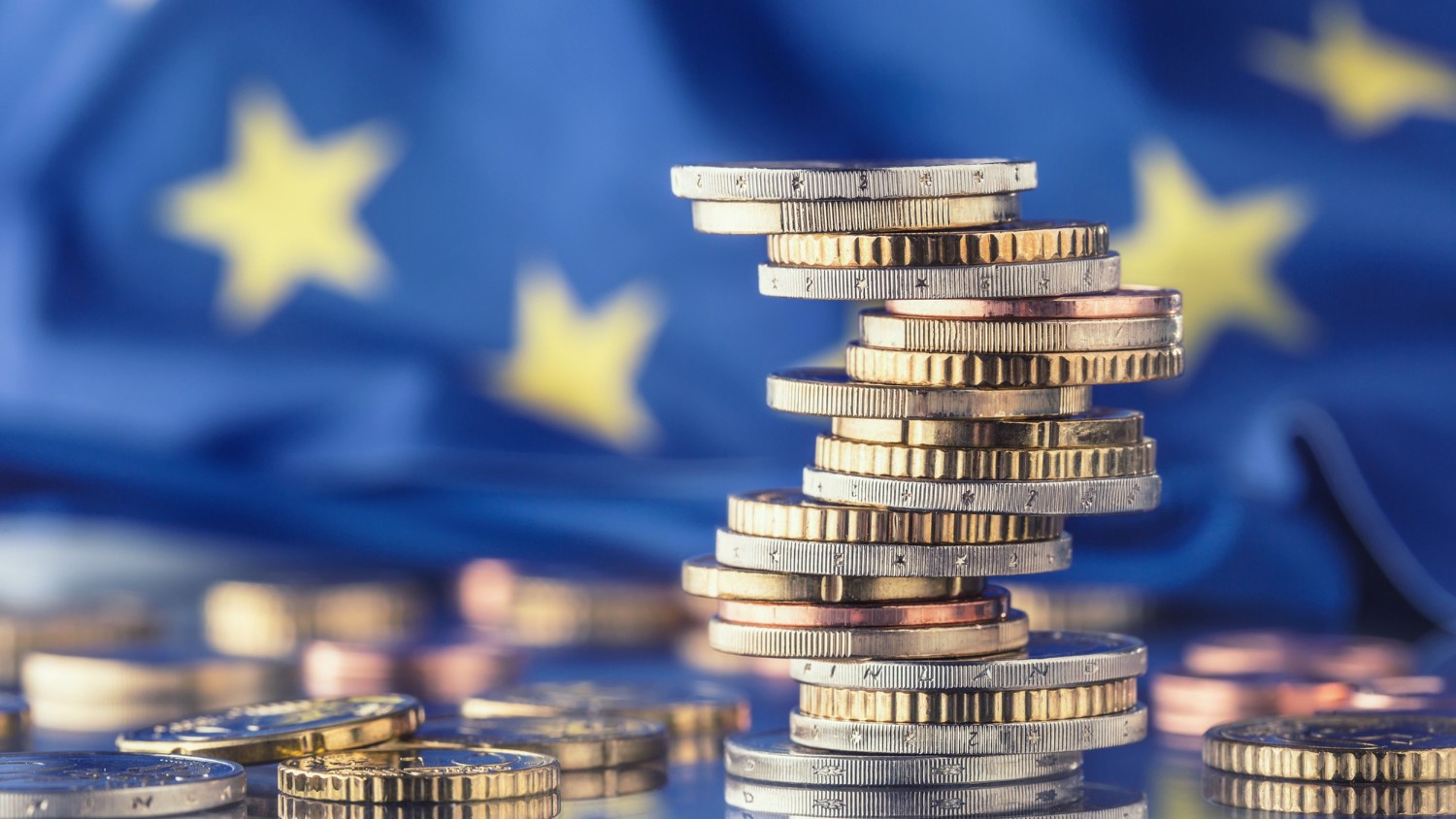
• 𝘛𝘩𝘦 𝘌𝘐𝘉 𝘎𝘳𝘰𝘶𝘱 𝘱𝘭𝘢𝘯𝘴 𝘵𝘰 𝘱𝘳𝘰𝘷𝘪𝘥𝘦 𝘢𝘵 𝘭𝘦𝘢𝘴𝘵 €30 𝘣𝘪𝘭𝘭𝘪𝘰𝘯 𝘧𝘰𝘳 𝘤𝘭𝘪𝘮𝘢𝘵𝘦 𝘢𝘥𝘢𝘱𝘵𝘢𝘵𝘪𝘰𝘯 𝘣𝘦𝘵𝘸𝘦𝘦𝘯 2026 𝘢𝘯𝘥 2030. • 𝘛𝘩𝘦 𝘯𝘦𝘸 𝘵𝘢𝘳𝘨𝘦𝘵 𝘥𝘰𝘶𝘣𝘭𝘦𝘴 𝘢𝘥𝘢𝘱𝘵𝘢𝘵𝘪𝘰𝘯 𝘧𝘪𝘯𝘢𝘯𝘤𝘪𝘯𝘨 𝘤𝘰𝘮𝘱𝘢𝘳𝘦𝘥 𝘸𝘪𝘵𝘩 𝘵𝘩𝘦 𝘱𝘳𝘦𝘷𝘪𝘰𝘶𝘴 𝘧𝘪𝘷𝘦-𝘺𝘦𝘢𝘳 𝘱𝘦𝘳𝘪𝘰𝘥. • 𝘍𝘶𝘯𝘥𝘪𝘯𝘨…