


24 June 2026
California has launched a legal challenge against the U.S. Environmental Protection Agency (EPA) after the agency referred several California vehicle emissions waivers to Congress for potential repeal, escalating an ongoing dispute over state authority to set stricter environmental standards.
The lawsuit, filed in federal court, argues that the EPA acted unlawfully by treating long-standing Clean Air Act waivers as federal rules subject to review under the Congressional Review Act (CRA). California officials contend that the waivers, which allow the state to implement its own vehicle emissions standards, have historically been granted through a separate legal process and are not eligible for congressional reversal.
California Attorney General Rob Bonta said the EPA’s actions could undermine decades of state-led air quality efforts, warning that weakening the rules would increase pollution, create regulatory uncertainty, and pose greater health risks for communities already burdened by emissions. The EPA has not yet publicly commented on the lawsuit.
The legal challenge comes amid broader efforts by the Trump administration to roll back policies supporting cleaner transportation. The waivers in question authorize California to enforce stricter emissions standards for cars, trucks, and certain off-road equipment than those required at the federal level. These measures have played a significant role in accelerating the adoption of lower-emission and electric vehicles across the state.
California received approval for its current vehicle emissions framework in 2022, and the state argues the standards deliver long-term consumer savings through reduced fuel costs while helping improve air quality and cut greenhouse gas emissions.
The case adds another chapter to the long-running battle between California and federal regulators over environmental authority, with the outcome likely to influence future vehicle emissions policies and the pace of transportation decarbonization across the United States.
California-federal conflict over state-emissions authority is the litigation battle that shapes US clean-transportation trajectory, and it affects auto, fleet and fuel-sector planning simultaneously. Our market-intelligence and sustainability-due-diligence teams help clients build multi-scenario planning that stays robust across federal-state divergence.

• 𝘛𝘩𝘦 𝘜𝘈𝘌 𝘍𝘰𝘰𝘥 𝘉𝘢𝘯𝘬 𝘢𝘯𝘥 𝘋𝘶𝘣𝘢𝘪’𝘴 𝘊𝘰𝘮𝘮𝘶𝘯𝘪𝘵𝘺 𝘋𝘦𝘷𝘦𝘭𝘰𝘱𝘮𝘦𝘯𝘵 𝘈𝘶𝘵𝘩𝘰𝘳𝘪𝘵𝘺 (𝘊𝘋𝘈) 𝘩𝘢𝘷𝘦 𝘴𝘪𝘨𝘯𝘦𝘥 𝘢𝘯 𝘢𝘨𝘳𝘦𝘦𝘮𝘦𝘯𝘵 𝘵𝘰 𝘤𝘰𝘭𝘭𝘦𝘤𝘵 𝘢𝘯𝘥 𝘳𝘦𝘥𝘪𝘴𝘵𝘳𝘪𝘣𝘶𝘵𝘦 𝘴𝘶𝘳𝘱𝘭𝘶𝘴 𝘧𝘰𝘰𝘥 𝘧𝘳𝘰𝘮 𝘸𝘦𝘥𝘥𝘪𝘯𝘨𝘴 𝘢𝘯𝘥 𝘦𝘷𝘦𝘯𝘵𝘴. • 𝘛𝘩𝘦 𝘪𝘯𝘪𝘵𝘪𝘢𝘵𝘪𝘷𝘦 𝘸𝘪𝘭𝘭 𝘧𝘰𝘭𝘭𝘰𝘸 𝘢𝘱𝘱𝘳𝘰𝘷𝘦𝘥…
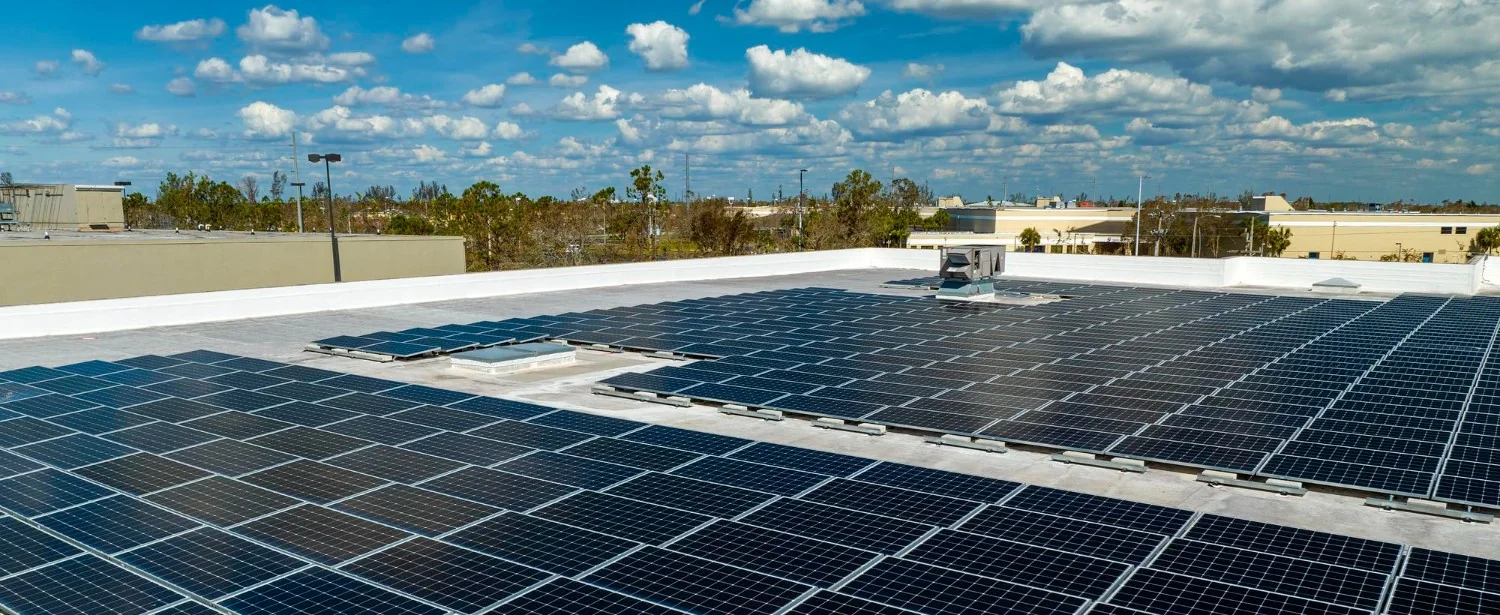
<ul><li><i>India’s rooftop solar capacity reached 30.7 GW in July 2026, increasing the need for better grid management and flexibility.</i></li><li><i>Kerala and Maharashtra are exploring battery ener…

• 𝘛𝘩𝘦 𝘌𝘐𝘉 𝘎𝘳𝘰𝘶𝘱 𝘱𝘭𝘢𝘯𝘴 𝘵𝘰 𝘱𝘳𝘰𝘷𝘪𝘥𝘦 𝘢𝘵 𝘭𝘦𝘢𝘴𝘵 €30 𝘣𝘪𝘭𝘭𝘪𝘰𝘯 𝘧𝘰𝘳 𝘤𝘭𝘪𝘮𝘢𝘵𝘦 𝘢𝘥𝘢𝘱𝘵𝘢𝘵𝘪𝘰𝘯 𝘣𝘦𝘵𝘸𝘦𝘦𝘯 2026 𝘢𝘯𝘥 2030. • 𝘛𝘩𝘦 𝘯𝘦𝘸 𝘵𝘢𝘳𝘨𝘦𝘵 𝘥𝘰𝘶𝘣𝘭𝘦𝘴 𝘢𝘥𝘢𝘱𝘵𝘢𝘵𝘪𝘰𝘯 𝘧𝘪𝘯𝘢𝘯𝘤𝘪𝘯𝘨 𝘤𝘰𝘮𝘱𝘢𝘳𝘦𝘥 𝘸𝘪𝘵𝘩 𝘵𝘩𝘦 𝘱𝘳𝘦𝘷𝘪𝘰𝘶𝘴 𝘧𝘪𝘷𝘦-𝘺𝘦𝘢𝘳 𝘱𝘦𝘳𝘪𝘰𝘥. • 𝘍𝘶𝘯𝘥𝘪𝘯𝘨…