

23 June 2026
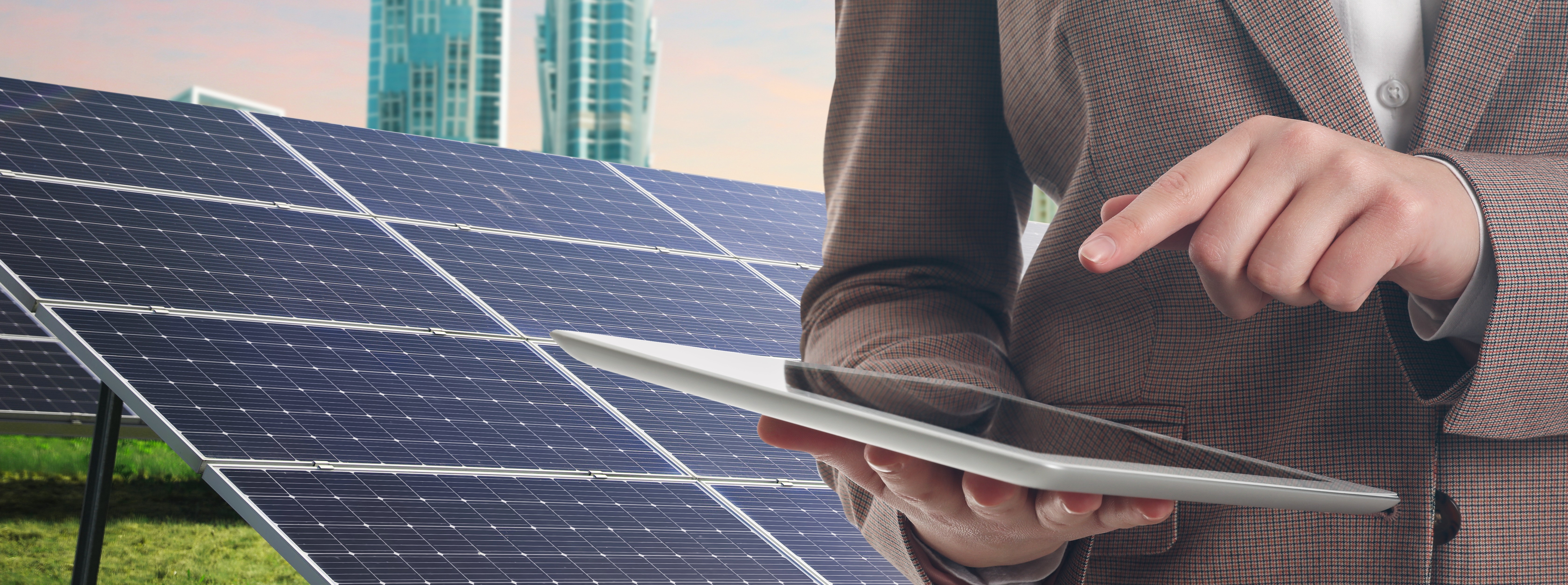
Abu Dhabi has launched a new Solar Energy Self-Supply Policy aimed at increasing the use of renewable energy and improving electricity efficiency across the emirate.
Introduced by the Abu Dhabi Department of Energy (DoE), the policy enables consumers to generate and consume their own solar power through photovoltaic systems, battery storage and other clean energy technologies.
The initiative forms part of the emirate's broader efforts to transform energy generation and consumption in line with the Abu Dhabi Energy and Water Efficiency Strategy 2030.
Under the policy, consumers can choose between continuing to rely on the electricity grid or adopting self-supply solutions such as rooftop solar panels, solar-powered water heaters and battery energy storage systems. The framework is designed to improve grid efficiency, enhance energy security and increase reliance on renewable energy sources while giving consumers greater control over their energy use.
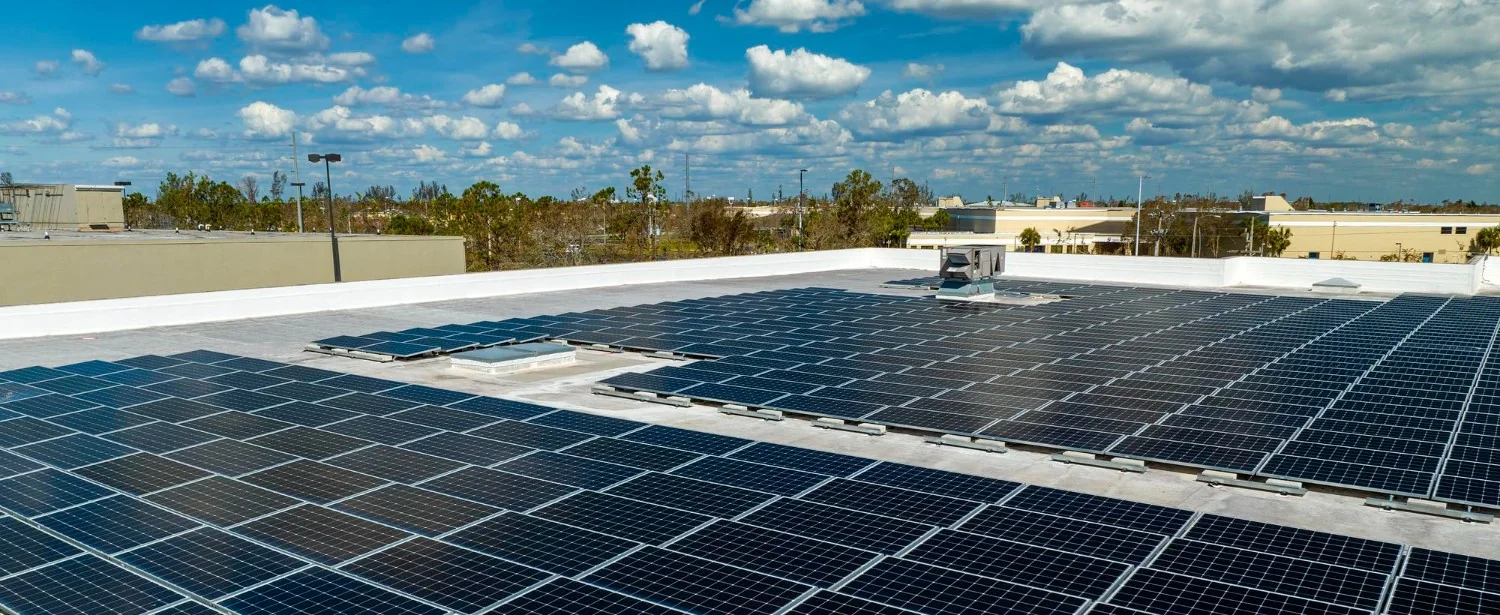
The policy was initially introduced for high-electricity-demand users, including farms, ranches and rest houses, before being expanded to the residential sector. Villa owners and eligible residential buildings can now generate electricity through rooftop solar systems and integrate it with the emirate's electricity network, supporting wider adoption of distributed renewable energy.
Alongside the policy, the Department of Energy is rolling out guidance on high-efficiency appliances and energy-saving technologies to encourage responsible energy consumption. The guidance covers cooling systems, lighting, water heating, motors and irrigation equipment, helping households and businesses reduce energy demand and operating costs.
Officials said the policy supports Abu Dhabi's long-term decarbonisation objectives by encouraging consumer participation in the energy transition. By expanding access to solar power and energy storage technologies, the emirate aims to reduce emissions, strengthen grid resilience and accelerate progress towards its clean energy and net-zero ambitions.
Solar self-supply policies unlock C&I distributed renewable deployment, and they change Scope 2 optionality for Abu Dhabi-based corporates. Our energy-transition and responsible-investment teams help clients evaluate what self-supply frameworks mean for their capex, disclosure and long-term planning.

• 𝘛𝘩𝘦 𝘜𝘈𝘌 𝘍𝘰𝘰𝘥 𝘉𝘢𝘯𝘬 𝘢𝘯𝘥 𝘋𝘶𝘣𝘢𝘪’𝘴 𝘊𝘰𝘮𝘮𝘶𝘯𝘪𝘵𝘺 𝘋𝘦𝘷𝘦𝘭𝘰𝘱𝘮𝘦𝘯𝘵 𝘈𝘶𝘵𝘩𝘰𝘳𝘪𝘵𝘺 (𝘊𝘋𝘈) 𝘩𝘢𝘷𝘦 𝘴𝘪𝘨𝘯𝘦𝘥 𝘢𝘯 𝘢𝘨𝘳𝘦𝘦𝘮𝘦𝘯𝘵 𝘵𝘰 𝘤𝘰𝘭𝘭𝘦𝘤𝘵 𝘢𝘯𝘥 𝘳𝘦𝘥𝘪𝘴𝘵𝘳𝘪𝘣𝘶𝘵𝘦 𝘴𝘶𝘳𝘱𝘭𝘶𝘴 𝘧𝘰𝘰𝘥 𝘧𝘳𝘰𝘮 𝘸𝘦𝘥𝘥𝘪𝘯𝘨𝘴 𝘢𝘯𝘥 𝘦𝘷𝘦𝘯𝘵𝘴. • 𝘛𝘩𝘦 𝘪𝘯𝘪𝘵𝘪𝘢𝘵𝘪𝘷𝘦 𝘸𝘪𝘭𝘭 𝘧𝘰𝘭𝘭𝘰𝘸 𝘢𝘱𝘱𝘳𝘰𝘷𝘦𝘥…
<ul><li><i>India’s rooftop solar capacity reached 30.7 GW in July 2026, increasing the need for better grid management and flexibility.</i></li><li><i>Kerala and Maharashtra are exploring battery ener…

• 𝘛𝘩𝘦 𝘌𝘐𝘉 𝘎𝘳𝘰𝘶𝘱 𝘱𝘭𝘢𝘯𝘴 𝘵𝘰 𝘱𝘳𝘰𝘷𝘪𝘥𝘦 𝘢𝘵 𝘭𝘦𝘢𝘴𝘵 €30 𝘣𝘪𝘭𝘭𝘪𝘰𝘯 𝘧𝘰𝘳 𝘤𝘭𝘪𝘮𝘢𝘵𝘦 𝘢𝘥𝘢𝘱𝘵𝘢𝘵𝘪𝘰𝘯 𝘣𝘦𝘵𝘸𝘦𝘦𝘯 2026 𝘢𝘯𝘥 2030. • 𝘛𝘩𝘦 𝘯𝘦𝘸 𝘵𝘢𝘳𝘨𝘦𝘵 𝘥𝘰𝘶𝘣𝘭𝘦𝘴 𝘢𝘥𝘢𝘱𝘵𝘢𝘵𝘪𝘰𝘯 𝘧𝘪𝘯𝘢𝘯𝘤𝘪𝘯𝘨 𝘤𝘰𝘮𝘱𝘢𝘳𝘦𝘥 𝘸𝘪𝘵𝘩 𝘵𝘩𝘦 𝘱𝘳𝘦𝘷𝘪𝘰𝘶𝘴 𝘧𝘪𝘷𝘦-𝘺𝘦𝘢𝘳 𝘱𝘦𝘳𝘪𝘰𝘥. • 𝘍𝘶𝘯𝘥𝘪𝘯𝘨…