

%20(copy).jpg)
17 June 2026
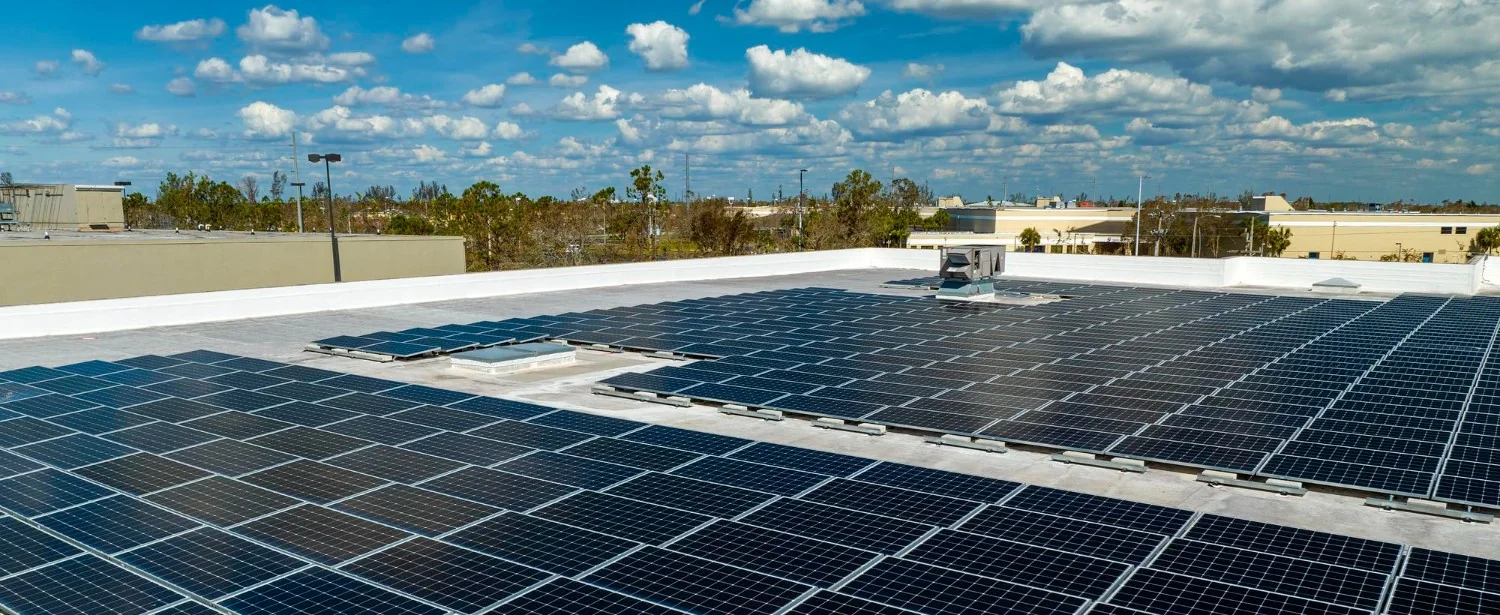
California has achieved a significant clean energy milestone, with solar power surpassing natural gas as the leading source of electricity generation on the state’s main power grid during the first five months of 2026. The development marks an important step in the state’s transition toward a lower-carbon energy system and highlights the growing impact of renewable energy investments.
According to data from the California Independent System Operator (CAISO), utility-scale solar generation increased by 21% compared to the same period in 2024, while electricity produced from natural gas fell by 60%. Solar power generated more electricity than natural gas on 82% of days between January and May 2026, a sharp rise from just 21% of days during the same period in 2024 and 2025.
The shift has been driven by substantial growth in renewable energy infrastructure. Utility-scale solar capacity expanded by 19% over the past two years, reaching 25 gigawatts (GW), while battery storage capacity surged by 79% to 16 GW. Overall grid capacity increased by approximately 11 GW, strengthening California’s ability to integrate more clean energy resources.
Battery storage has become a critical component of the state’s electricity system, storing surplus solar energy generated during daylight hours and delivering it back to the grid during evening and early morning periods when demand remains high. As a result, battery contributions to the grid during the first five months of 2026 were three times higher than in the corresponding period of 2024.
Despite a 7% increase in electricity demand, net generation within the CAISO system declined by 19%, with the difference largely met through increased electricity imports from neighboring regions. Improved hydropower availability in the Pacific Northwest and additional wind energy imports have helped support grid reliability.
The milestone underscores how expanding solar generation, growing energy storage capacity, and regional power connectivity are reshaping California’s electricity mix and accelerating the state’s clean energy transition.
Solar overtaking gas in California is a real inflection, and it changes what corporates operating in the state can genuinely claim in Scope 2 disclosure. Our energy-transition and climate-action teams help clients evaluate what these dispatch dynamics mean for Scope 2 disclosure narrative.

• 𝘛𝘩𝘦 𝘜𝘈𝘌 𝘍𝘰𝘰𝘥 𝘉𝘢𝘯𝘬 𝘢𝘯𝘥 𝘋𝘶𝘣𝘢𝘪’𝘴 𝘊𝘰𝘮𝘮𝘶𝘯𝘪𝘵𝘺 𝘋𝘦𝘷𝘦𝘭𝘰𝘱𝘮𝘦𝘯𝘵 𝘈𝘶𝘵𝘩𝘰𝘳𝘪𝘵𝘺 (𝘊𝘋𝘈) 𝘩𝘢𝘷𝘦 𝘴𝘪𝘨𝘯𝘦𝘥 𝘢𝘯 𝘢𝘨𝘳𝘦𝘦𝘮𝘦𝘯𝘵 𝘵𝘰 𝘤𝘰𝘭𝘭𝘦𝘤𝘵 𝘢𝘯𝘥 𝘳𝘦𝘥𝘪𝘴𝘵𝘳𝘪𝘣𝘶𝘵𝘦 𝘴𝘶𝘳𝘱𝘭𝘶𝘴 𝘧𝘰𝘰𝘥 𝘧𝘳𝘰𝘮 𝘸𝘦𝘥𝘥𝘪𝘯𝘨𝘴 𝘢𝘯𝘥 𝘦𝘷𝘦𝘯𝘵𝘴. • 𝘛𝘩𝘦 𝘪𝘯𝘪𝘵𝘪𝘢𝘵𝘪𝘷𝘦 𝘸𝘪𝘭𝘭 𝘧𝘰𝘭𝘭𝘰𝘸 𝘢𝘱𝘱𝘳𝘰𝘷𝘦𝘥…
<ul><li><i>India’s rooftop solar capacity reached 30.7 GW in July 2026, increasing the need for better grid management and flexibility.</i></li><li><i>Kerala and Maharashtra are exploring battery ener…

• 𝘛𝘩𝘦 𝘌𝘐𝘉 𝘎𝘳𝘰𝘶𝘱 𝘱𝘭𝘢𝘯𝘴 𝘵𝘰 𝘱𝘳𝘰𝘷𝘪𝘥𝘦 𝘢𝘵 𝘭𝘦𝘢𝘴𝘵 €30 𝘣𝘪𝘭𝘭𝘪𝘰𝘯 𝘧𝘰𝘳 𝘤𝘭𝘪𝘮𝘢𝘵𝘦 𝘢𝘥𝘢𝘱𝘵𝘢𝘵𝘪𝘰𝘯 𝘣𝘦𝘵𝘸𝘦𝘦𝘯 2026 𝘢𝘯𝘥 2030. • 𝘛𝘩𝘦 𝘯𝘦𝘸 𝘵𝘢𝘳𝘨𝘦𝘵 𝘥𝘰𝘶𝘣𝘭𝘦𝘴 𝘢𝘥𝘢𝘱𝘵𝘢𝘵𝘪𝘰𝘯 𝘧𝘪𝘯𝘢𝘯𝘤𝘪𝘯𝘨 𝘤𝘰𝘮𝘱𝘢𝘳𝘦𝘥 𝘸𝘪𝘵𝘩 𝘵𝘩𝘦 𝘱𝘳𝘦𝘷𝘪𝘰𝘶𝘴 𝘧𝘪𝘷𝘦-𝘺𝘦𝘢𝘳 𝘱𝘦𝘳𝘪𝘰𝘥. • 𝘍𝘶𝘯𝘥𝘪𝘯𝘨…