


04 September 2025
Bahrain’s Minister of Transportation and Telecommunications, Dr. Shaikh Abdulla bin Ahmed Al Khalifa, has reiterated the Kingdom’s commitment to international initiatives that aim to enhance the sustainability of maritime transport. His statement underscores Bahrain’s recognition of shipping as a critical driver of global trade and the urgent need to align it with environmental objectives.
The minister emphasized Bahrain’s role in backing the International Maritime Organization’s goals, including efforts to reduce carbon emissions, adopt clean technologies, and modernize shipping practices. He also highlighted the importance of regional cooperation in advancing low-emission fuels and sustainable port infrastructure, ensuring that the sector remains resilient and competitive in a rapidly changing global economy.
By reaffirming its support, Bahrain positions itself as a proactive partner in the global sustainability agenda. The move reflects the Kingdom’s broader strategy to integrate green principles across its transport systems, reinforcing its commitment to both economic growth and environmental stewardship.
Shipping accounts for roughly three percent of global CO2 emissions, and the IMO's revised 2050 net-zero target has accelerated attention on alternative fuels (methanol, ammonia, hydrogen), efficiency measures, and port infrastructure supporting low-emission bunkering. Bahrain's positioning on maritime sustainability is significant given its strategic location on Gulf shipping routes and its role as a regional hub for logistics and financial services.
Regional cooperation on low-emission fuels and port infrastructure is essential - no single Gulf economy can develop the fuel-supply infrastructure needed to serve international shipping unilaterally. Coordinated bunkering standards, shared investment in green fuel production, and aligned port-charging structures can accelerate the sector's transition significantly faster than individual country action.
For shipping lines, port operators, fuel producers and cargo owners with Gulf exposure, Cognitud's supply chain and operations, climate action and energy transition teams help clients evaluate exposure to IMO-driven regulatory change, structure fuel-supply agreements aligned with emerging low-emission-fuel standards, and prepare disclosures aligned with CDP Transport, ISSB and jurisdictional maritime-sustainability requirements that increasingly influence cargo-owner procurement decisions across international trade routes.

• 𝘛𝘩𝘦 𝘜𝘈𝘌 𝘍𝘰𝘰𝘥 𝘉𝘢𝘯𝘬 𝘢𝘯𝘥 𝘋𝘶𝘣𝘢𝘪’𝘴 𝘊𝘰𝘮𝘮𝘶𝘯𝘪𝘵𝘺 𝘋𝘦𝘷𝘦𝘭𝘰𝘱𝘮𝘦𝘯𝘵 𝘈𝘶𝘵𝘩𝘰𝘳𝘪𝘵𝘺 (𝘊𝘋𝘈) 𝘩𝘢𝘷𝘦 𝘴𝘪𝘨𝘯𝘦𝘥 𝘢𝘯 𝘢𝘨𝘳𝘦𝘦𝘮𝘦𝘯𝘵 𝘵𝘰 𝘤𝘰𝘭𝘭𝘦𝘤𝘵 𝘢𝘯𝘥 𝘳𝘦𝘥𝘪𝘴𝘵𝘳𝘪𝘣𝘶𝘵𝘦 𝘴𝘶𝘳𝘱𝘭𝘶𝘴 𝘧𝘰𝘰𝘥 𝘧𝘳𝘰𝘮 𝘸𝘦𝘥𝘥𝘪𝘯𝘨𝘴 𝘢𝘯𝘥 𝘦𝘷𝘦𝘯𝘵𝘴. • 𝘛𝘩𝘦 𝘪𝘯𝘪𝘵𝘪𝘢𝘵𝘪𝘷𝘦 𝘸𝘪𝘭𝘭 𝘧𝘰𝘭𝘭𝘰𝘸 𝘢𝘱𝘱𝘳𝘰𝘷𝘦𝘥…
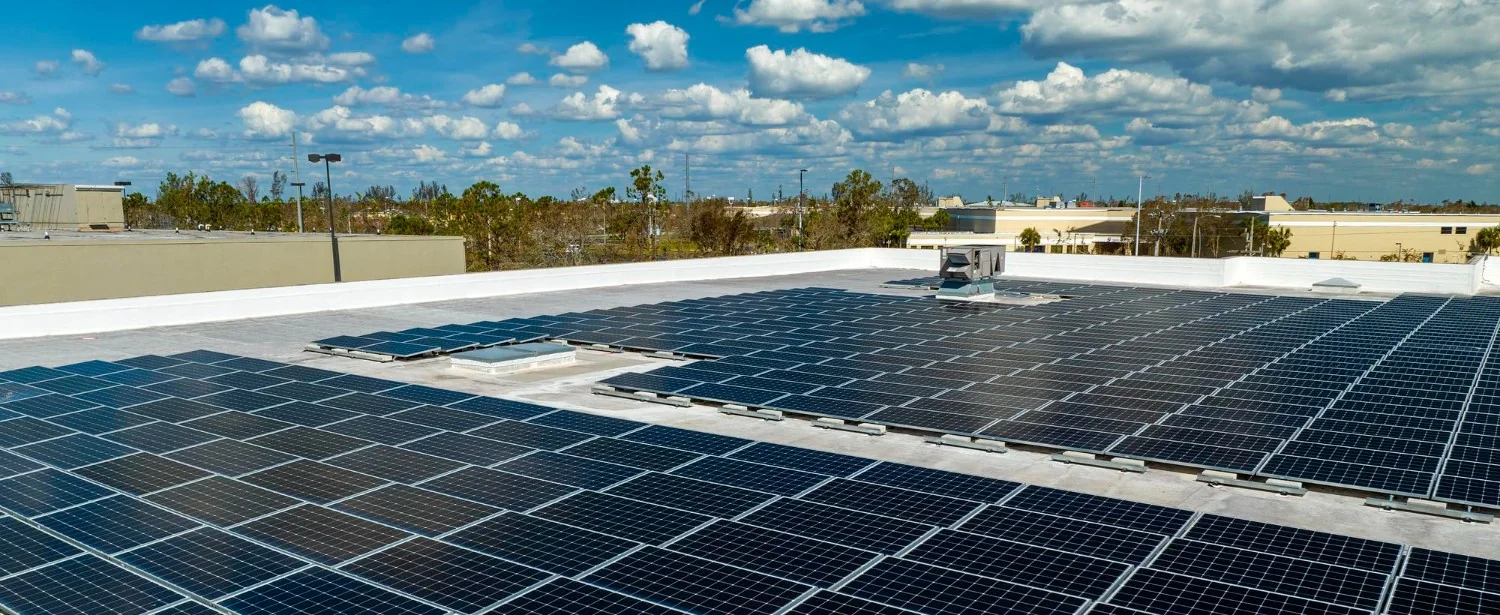
<ul><li><i>India’s rooftop solar capacity reached 30.7 GW in July 2026, increasing the need for better grid management and flexibility.</i></li><li><i>Kerala and Maharashtra are exploring battery ener…

• 𝘛𝘩𝘦 𝘌𝘐𝘉 𝘎𝘳𝘰𝘶𝘱 𝘱𝘭𝘢𝘯𝘴 𝘵𝘰 𝘱𝘳𝘰𝘷𝘪𝘥𝘦 𝘢𝘵 𝘭𝘦𝘢𝘴𝘵 €30 𝘣𝘪𝘭𝘭𝘪𝘰𝘯 𝘧𝘰𝘳 𝘤𝘭𝘪𝘮𝘢𝘵𝘦 𝘢𝘥𝘢𝘱𝘵𝘢𝘵𝘪𝘰𝘯 𝘣𝘦𝘵𝘸𝘦𝘦𝘯 2026 𝘢𝘯𝘥 2030. • 𝘛𝘩𝘦 𝘯𝘦𝘸 𝘵𝘢𝘳𝘨𝘦𝘵 𝘥𝘰𝘶𝘣𝘭𝘦𝘴 𝘢𝘥𝘢𝘱𝘵𝘢𝘵𝘪𝘰𝘯 𝘧𝘪𝘯𝘢𝘯𝘤𝘪𝘯𝘨 𝘤𝘰𝘮𝘱𝘢𝘳𝘦𝘥 𝘸𝘪𝘵𝘩 𝘵𝘩𝘦 𝘱𝘳𝘦𝘷𝘪𝘰𝘶𝘴 𝘧𝘪𝘷𝘦-𝘺𝘦𝘢𝘳 𝘱𝘦𝘳𝘪𝘰𝘥. • 𝘍𝘶𝘯𝘥𝘪𝘯𝘨…