

26 February 2026
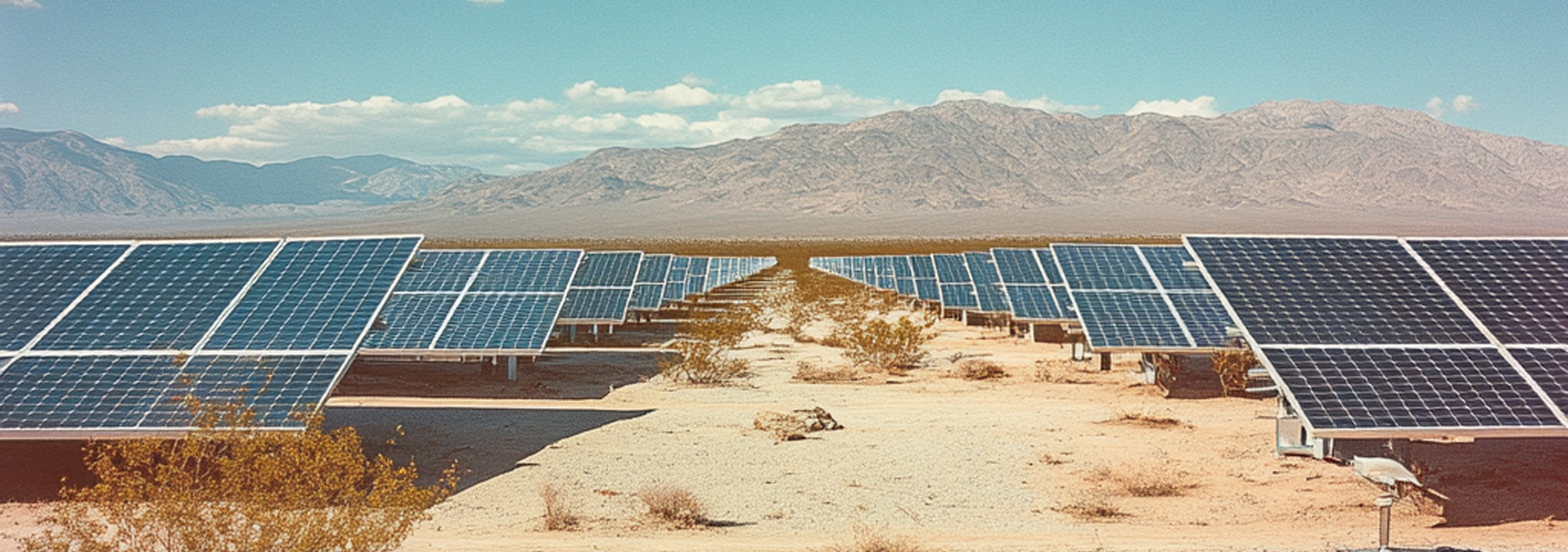
On February 26, 2026, the Kingdom of Bahrain announced the launch of 372 renewable energy projects designed to significantly expand the nation’s clean power capacity and advance its long-term energy transition strategy. The combined capacity of these initiatives is estimated at approximately 141 megawatts, marking a major step toward diversifying Bahrain’s energy mix and reducing reliance on fossil fuels as part of its national decarbonisation agenda.
The newly launched projects include a range of solar energy installations and other innovative renewable solutions across the kingdom, reflecting Bahrain’s commitment to increasing its renewable footprint and aligning with broader Gulf Cooperation Council (GCC) sustainability objectives. Many of the projects are expected to be deployed in both urban and rural settings, contributing to energy resilience while creating opportunities for local clean energy jobs and infrastructure development.
Officials emphasised that these initiatives are being rolled out under the framework of Bahrain’s Renewable Energy Policy and concerted efforts to meet national climate targets, including contributions to the Paris Agreement commitments and the transition toward a lower carbon economy. By prioritising renewable deployments, the government aims to reduce greenhouse gas emissions and strengthen energy security through diversification.
The expansion of renewable capacity is also aligned with regional ambitions to harness abundant solar resources and accelerate clean power generation through collaborative planning, investment incentives, and strategic partnerships. Bahrain’s launch of these 372 projects signals a growing momentum in the Middle East’s transition toward sustainable energy systems and supports the kingdom’s vision of sustainable economic growth while enhancing environmental outcomes.
Distributed renewable expansion across 372 projects shows how Gulf renewable deployment is increasingly happening across smaller-scale, distributed installations rather than mega-projects alone. Our energy-transition and market-intelligence teams help clients evaluate what distributed renewable growth means for Scope 2 procurement optionality across the region.

• 𝘛𝘩𝘦 𝘜𝘈𝘌 𝘍𝘰𝘰𝘥 𝘉𝘢𝘯𝘬 𝘢𝘯𝘥 𝘋𝘶𝘣𝘢𝘪’𝘴 𝘊𝘰𝘮𝘮𝘶𝘯𝘪𝘵𝘺 𝘋𝘦𝘷𝘦𝘭𝘰𝘱𝘮𝘦𝘯𝘵 𝘈𝘶𝘵𝘩𝘰𝘳𝘪𝘵𝘺 (𝘊𝘋𝘈) 𝘩𝘢𝘷𝘦 𝘴𝘪𝘨𝘯𝘦𝘥 𝘢𝘯 𝘢𝘨𝘳𝘦𝘦𝘮𝘦𝘯𝘵 𝘵𝘰 𝘤𝘰𝘭𝘭𝘦𝘤𝘵 𝘢𝘯𝘥 𝘳𝘦𝘥𝘪𝘴𝘵𝘳𝘪𝘣𝘶𝘵𝘦 𝘴𝘶𝘳𝘱𝘭𝘶𝘴 𝘧𝘰𝘰𝘥 𝘧𝘳𝘰𝘮 𝘸𝘦𝘥𝘥𝘪𝘯𝘨𝘴 𝘢𝘯𝘥 𝘦𝘷𝘦𝘯𝘵𝘴. • 𝘛𝘩𝘦 𝘪𝘯𝘪𝘵𝘪𝘢𝘵𝘪𝘷𝘦 𝘸𝘪𝘭𝘭 𝘧𝘰𝘭𝘭𝘰𝘸 𝘢𝘱𝘱𝘳𝘰𝘷𝘦𝘥…
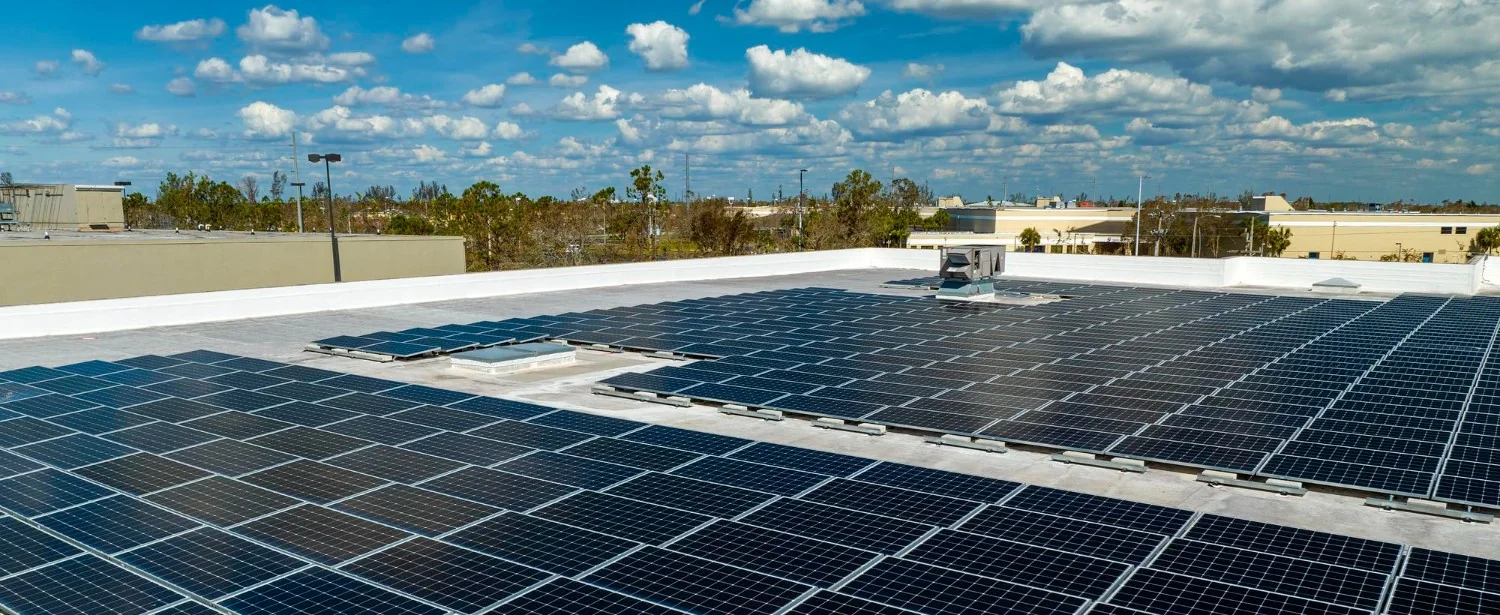
<ul><li><i>India’s rooftop solar capacity reached 30.7 GW in July 2026, increasing the need for better grid management and flexibility.</i></li><li><i>Kerala and Maharashtra are exploring battery ener…
• 𝘛𝘩𝘦 𝘌𝘐𝘉 𝘎𝘳𝘰𝘶𝘱 𝘱𝘭𝘢𝘯𝘴 𝘵𝘰 𝘱𝘳𝘰𝘷𝘪𝘥𝘦 𝘢𝘵 𝘭𝘦𝘢𝘴𝘵 €30 𝘣𝘪𝘭𝘭𝘪𝘰𝘯 𝘧𝘰𝘳 𝘤𝘭𝘪𝘮𝘢𝘵𝘦 𝘢𝘥𝘢𝘱𝘵𝘢𝘵𝘪𝘰𝘯 𝘣𝘦𝘵𝘸𝘦𝘦𝘯 2026 𝘢𝘯𝘥 2030. • 𝘛𝘩𝘦 𝘯𝘦𝘸 𝘵𝘢𝘳𝘨𝘦𝘵 𝘥𝘰𝘶𝘣𝘭𝘦𝘴 𝘢𝘥𝘢𝘱𝘵𝘢𝘵𝘪𝘰𝘯 𝘧𝘪𝘯𝘢𝘯𝘤𝘪𝘯𝘨 𝘤𝘰𝘮𝘱𝘢𝘳𝘦𝘥 𝘸𝘪𝘵𝘩 𝘵𝘩𝘦 𝘱𝘳𝘦𝘷𝘪𝘰𝘶𝘴 𝘧𝘪𝘷𝘦-𝘺𝘦𝘢𝘳 𝘱𝘦𝘳𝘪𝘰𝘥. • 𝘍𝘶𝘯𝘥𝘪𝘯𝘨…