

22 February 2026
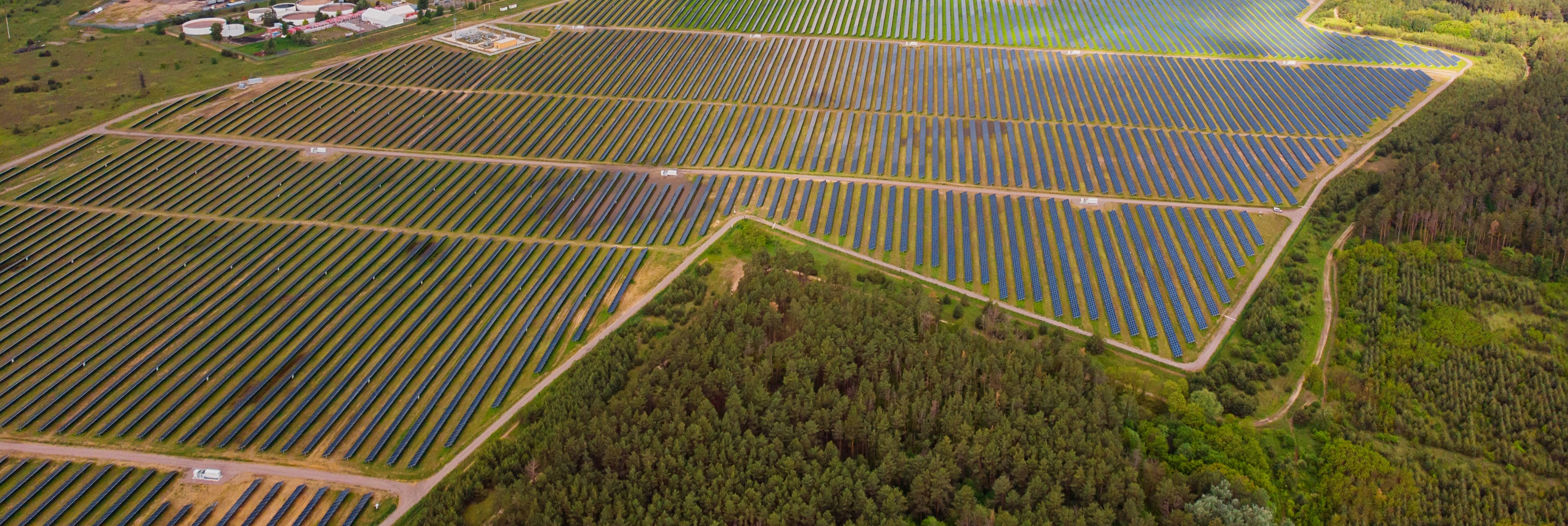
On 22 February 2026, Australia’s unique agrivoltaic solar sheep farms were highlighted as an innovative blend of renewable energy, sustainable agriculture and rural tourism that is drawing increasing attention from eco-conscious visitors. These farms - where solar panels and sheep grazing coexist across large plots of land - are redefining how farmlands can contribute to clean energy production while supporting local agricultural practices.
In regions like New South Wales (NSW), tourists now have opportunities to visit farms such as those near Dubbo, where tens of thousands of solar panels stretch across hundreds of hectares. These agrivoltaic installations not only generate renewable electricity but also create shaded grazing areas for sheep, enhancing pasture quality and animal welfare. This dual purpose has made them a compelling example of how rural landscapes can be adapted for sustainability and visitor experiences.
Farmers and local operators are leveraging this setup to offer educational tours and interactive experiences that inform visitors about renewable energy technologies, sustainable land use and the integration of agricultural and energy systems. Beyond clean energy production, these farms help address environmental challenges by reducing the need for fuel-powered vegetation management and showcasing how solar infrastructure can harmonise with livestock grazing.
The emergence of agrivoltaic farms as points of interest reflects a growing trend in sustainable tourism, where travellers are seeking meaningful experiences that connect them to environmental innovation and rural community life. As Australia continues to expand its renewable energy capacity and promote greener travel options, these solar sheep farms are positioned to become a distinctive and impactful part of the country’s eco-tourism landscape.
Agri-solar hybrids like solar-sheep farms combine renewable generation with agricultural productivity and biodiversity co-benefits - the multi-outcome play that TNFD and Scope 3 disclosure will increasingly reward. Our energy-transition and nature-based-solutions teams help clients evaluate hybrid-land-use investment opportunities.
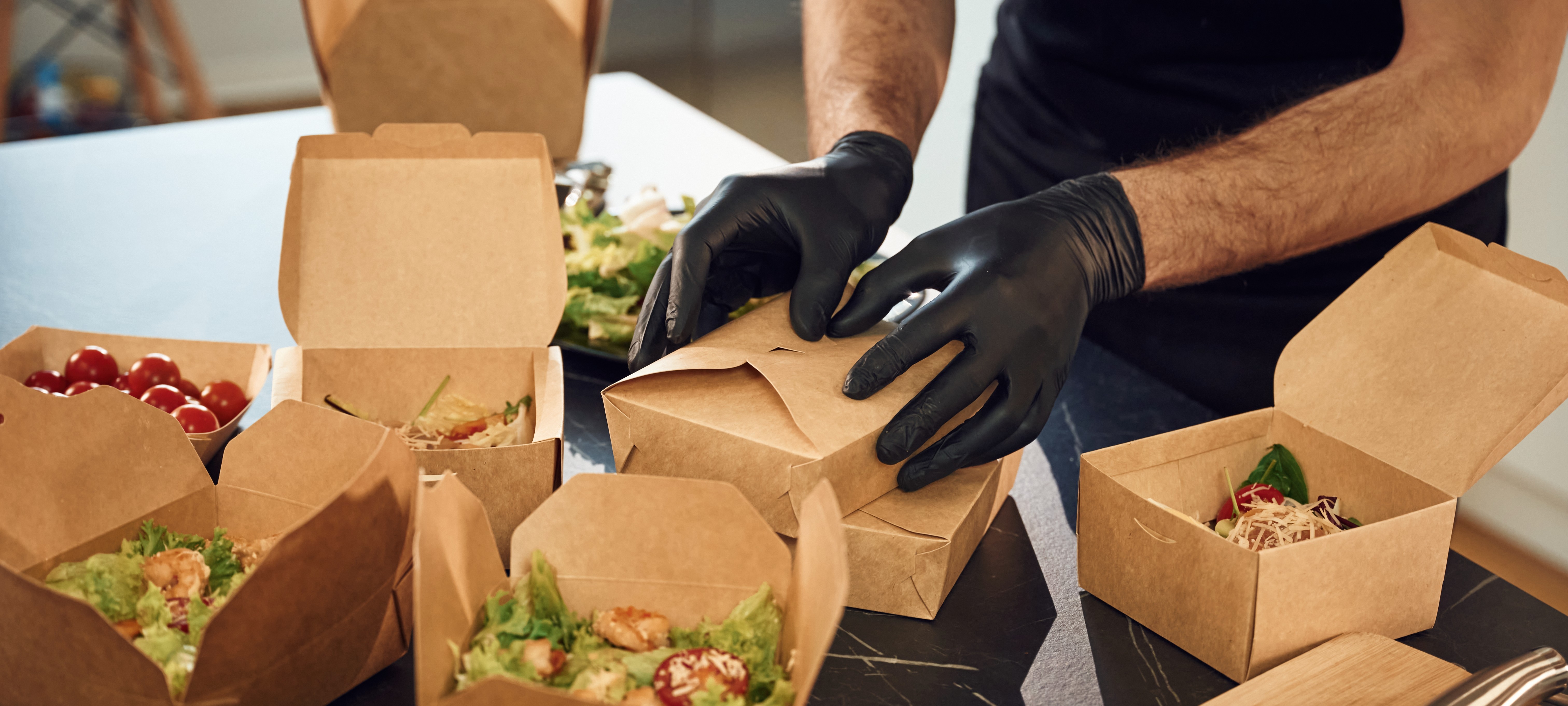
• 𝘛𝘩𝘦 𝘜𝘈𝘌 𝘍𝘰𝘰𝘥 𝘉𝘢𝘯𝘬 𝘢𝘯𝘥 𝘋𝘶𝘣𝘢𝘪’𝘴 𝘊𝘰𝘮𝘮𝘶𝘯𝘪𝘵𝘺 𝘋𝘦𝘷𝘦𝘭𝘰𝘱𝘮𝘦𝘯𝘵 𝘈𝘶𝘵𝘩𝘰𝘳𝘪𝘵𝘺 (𝘊𝘋𝘈) 𝘩𝘢𝘷𝘦 𝘴𝘪𝘨𝘯𝘦𝘥 𝘢𝘯 𝘢𝘨𝘳𝘦𝘦𝘮𝘦𝘯𝘵 𝘵𝘰 𝘤𝘰𝘭𝘭𝘦𝘤𝘵 𝘢𝘯𝘥 𝘳𝘦𝘥𝘪𝘴𝘵𝘳𝘪𝘣𝘶𝘵𝘦 𝘴𝘶𝘳𝘱𝘭𝘶𝘴 𝘧𝘰𝘰𝘥 𝘧𝘳𝘰𝘮 𝘸𝘦𝘥𝘥𝘪𝘯𝘨𝘴 𝘢𝘯𝘥 𝘦𝘷𝘦𝘯𝘵𝘴. • 𝘛𝘩𝘦 𝘪𝘯𝘪𝘵𝘪𝘢𝘵𝘪𝘷𝘦 𝘸𝘪𝘭𝘭 𝘧𝘰𝘭𝘭𝘰𝘸 𝘢𝘱𝘱𝘳𝘰𝘷𝘦𝘥…
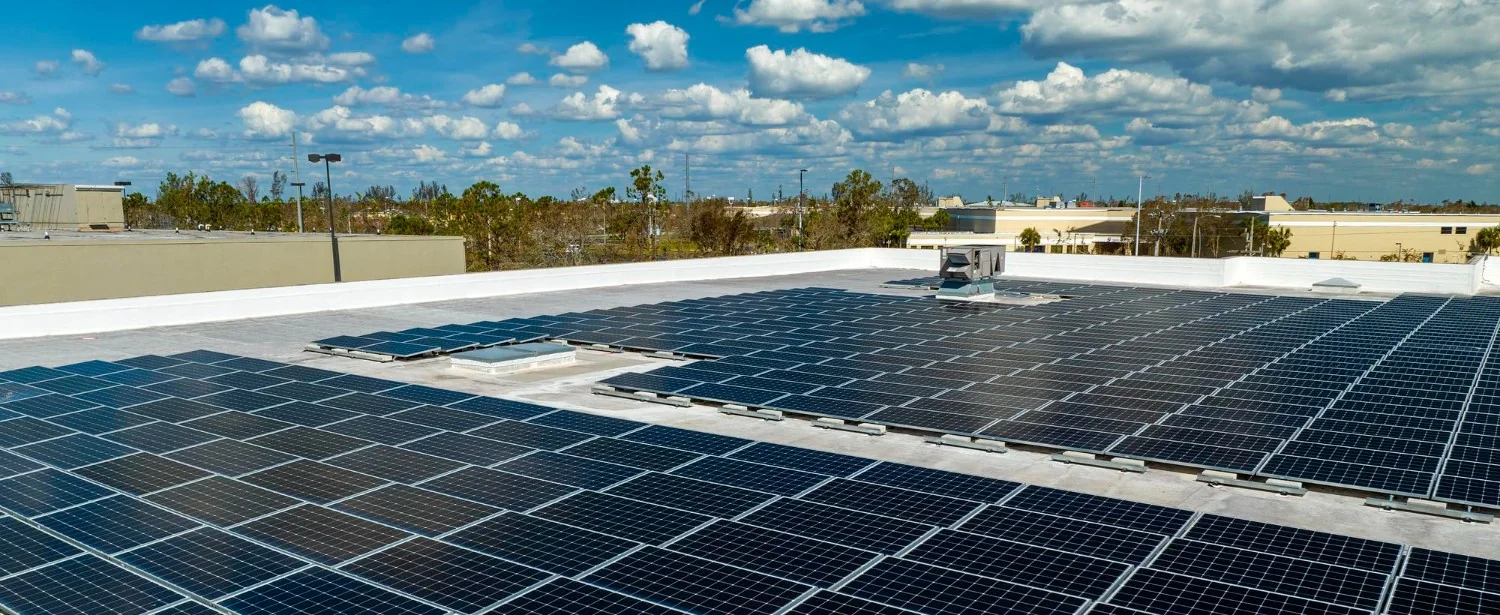
<ul><li><i>India’s rooftop solar capacity reached 30.7 GW in July 2026, increasing the need for better grid management and flexibility.</i></li><li><i>Kerala and Maharashtra are exploring battery ener…

• 𝘛𝘩𝘦 𝘌𝘐𝘉 𝘎𝘳𝘰𝘶𝘱 𝘱𝘭𝘢𝘯𝘴 𝘵𝘰 𝘱𝘳𝘰𝘷𝘪𝘥𝘦 𝘢𝘵 𝘭𝘦𝘢𝘴𝘵 €30 𝘣𝘪𝘭𝘭𝘪𝘰𝘯 𝘧𝘰𝘳 𝘤𝘭𝘪𝘮𝘢𝘵𝘦 𝘢𝘥𝘢𝘱𝘵𝘢𝘵𝘪𝘰𝘯 𝘣𝘦𝘵𝘸𝘦𝘦𝘯 2026 𝘢𝘯𝘥 2030. • 𝘛𝘩𝘦 𝘯𝘦𝘸 𝘵𝘢𝘳𝘨𝘦𝘵 𝘥𝘰𝘶𝘣𝘭𝘦𝘴 𝘢𝘥𝘢𝘱𝘵𝘢𝘵𝘪𝘰𝘯 𝘧𝘪𝘯𝘢𝘯𝘤𝘪𝘯𝘨 𝘤𝘰𝘮𝘱𝘢𝘳𝘦𝘥 𝘸𝘪𝘵𝘩 𝘵𝘩𝘦 𝘱𝘳𝘦𝘷𝘪𝘰𝘶𝘴 𝘧𝘪𝘷𝘦-𝘺𝘦𝘢𝘳 𝘱𝘦𝘳𝘪𝘰𝘥. • 𝘍𝘶𝘯𝘥𝘪𝘯𝘨…