


30 December 2025
Australia is facing a significant soil erosion crisis, with millions of hectares of productive farmland losing organic matter and structure due to wind and water degradation. In regions such as New South Wales and Queensland, fertile topsoil is steadily eroding into dust, threatening long-term agricultural productivity and forcing some farm families to abandon land they have worked for generations.
Amid this challenge, researchers and land managers have discovered an innovative use for a long-standing agricultural by-product: discarded wool. Low-quality wool that cannot be used by the textile industry was once treated as waste and left to rot or be buried. Scientists found that wool fiber has excellent natural water retention properties - absorbing up to twice its weight in moisture - and, when processed into pellets, can significantly improve soil conditions in degraded fields.
Field trials revealed that applying wool pellets over dry and compacted soils reduced surface evaporation, increased moisture retention, and stimulated microbial activity. By improving soil water dynamics and creating micro-pockets of air, the pellets help revitalize soil structure and support plant growth. Within months of application, soils previously vulnerable to erosion began to regain porosity and organic activity.
Beyond the ecological benefits, turning waste wool into agricultural pellets has created a new sustainable value chain. What was once a costly disposal problem has transformed into an input that helps farmers reduce water loss, enhance soil fertility, and ultimately protect their livelihoods. This approach illustrates how creative, biology-based solutions can address environmental degradation while generating economic value for rural communities.
Wool-waste valorisation into soil-restoration pellets is exactly the kind of circular play that turns a disposal cost into a value stream, and it addresses regenerative-agriculture demand at the same time. Our circular-economy and nature-based-solutions teams help agri-food and textile clients evaluate cross-sector circular opportunities and how they intersect with Scope 3 and TNFD disclosure.

• 𝘛𝘩𝘦 𝘜𝘈𝘌 𝘍𝘰𝘰𝘥 𝘉𝘢𝘯𝘬 𝘢𝘯𝘥 𝘋𝘶𝘣𝘢𝘪’𝘴 𝘊𝘰𝘮𝘮𝘶𝘯𝘪𝘵𝘺 𝘋𝘦𝘷𝘦𝘭𝘰𝘱𝘮𝘦𝘯𝘵 𝘈𝘶𝘵𝘩𝘰𝘳𝘪𝘵𝘺 (𝘊𝘋𝘈) 𝘩𝘢𝘷𝘦 𝘴𝘪𝘨𝘯𝘦𝘥 𝘢𝘯 𝘢𝘨𝘳𝘦𝘦𝘮𝘦𝘯𝘵 𝘵𝘰 𝘤𝘰𝘭𝘭𝘦𝘤𝘵 𝘢𝘯𝘥 𝘳𝘦𝘥𝘪𝘴𝘵𝘳𝘪𝘣𝘶𝘵𝘦 𝘴𝘶𝘳𝘱𝘭𝘶𝘴 𝘧𝘰𝘰𝘥 𝘧𝘳𝘰𝘮 𝘸𝘦𝘥𝘥𝘪𝘯𝘨𝘴 𝘢𝘯𝘥 𝘦𝘷𝘦𝘯𝘵𝘴. • 𝘛𝘩𝘦 𝘪𝘯𝘪𝘵𝘪𝘢𝘵𝘪𝘷𝘦 𝘸𝘪𝘭𝘭 𝘧𝘰𝘭𝘭𝘰𝘸 𝘢𝘱𝘱𝘳𝘰𝘷𝘦𝘥…
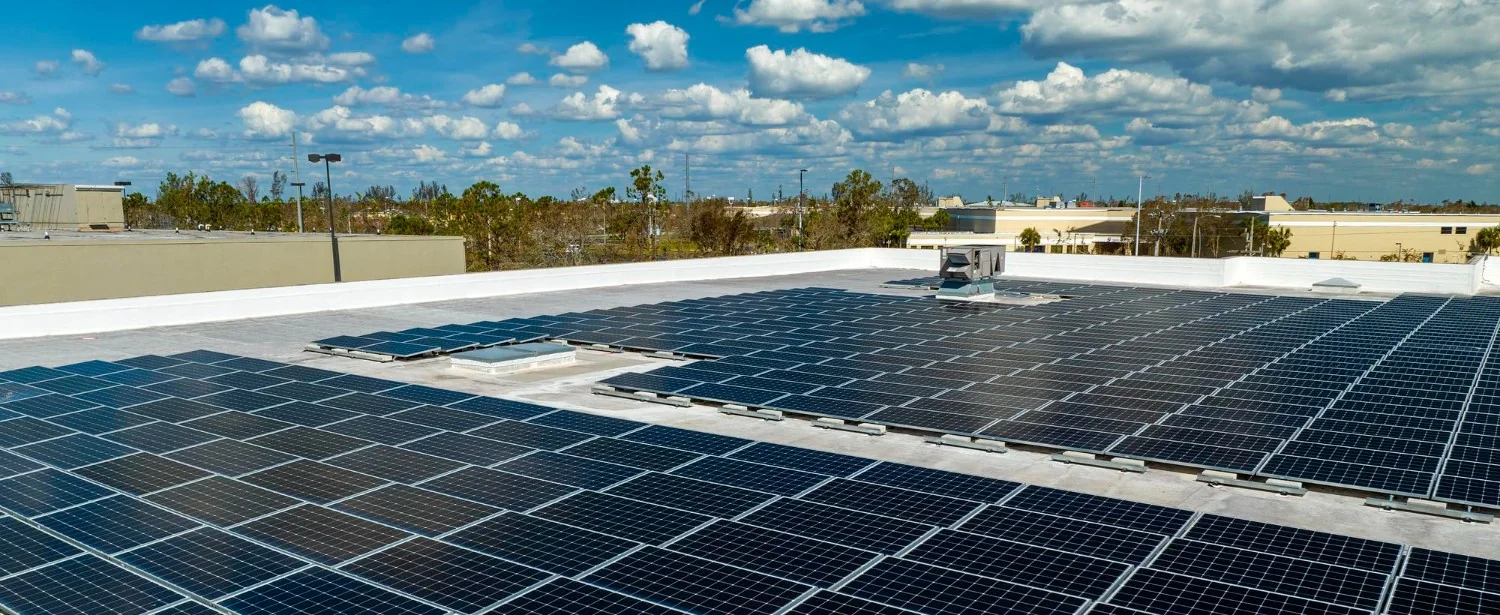
<ul><li><i>India’s rooftop solar capacity reached 30.7 GW in July 2026, increasing the need for better grid management and flexibility.</i></li><li><i>Kerala and Maharashtra are exploring battery ener…

• 𝘛𝘩𝘦 𝘌𝘐𝘉 𝘎𝘳𝘰𝘶𝘱 𝘱𝘭𝘢𝘯𝘴 𝘵𝘰 𝘱𝘳𝘰𝘷𝘪𝘥𝘦 𝘢𝘵 𝘭𝘦𝘢𝘴𝘵 €30 𝘣𝘪𝘭𝘭𝘪𝘰𝘯 𝘧𝘰𝘳 𝘤𝘭𝘪𝘮𝘢𝘵𝘦 𝘢𝘥𝘢𝘱𝘵𝘢𝘵𝘪𝘰𝘯 𝘣𝘦𝘵𝘸𝘦𝘦𝘯 2026 𝘢𝘯𝘥 2030. • 𝘛𝘩𝘦 𝘯𝘦𝘸 𝘵𝘢𝘳𝘨𝘦𝘵 𝘥𝘰𝘶𝘣𝘭𝘦𝘴 𝘢𝘥𝘢𝘱𝘵𝘢𝘵𝘪𝘰𝘯 𝘧𝘪𝘯𝘢𝘯𝘤𝘪𝘯𝘨 𝘤𝘰𝘮𝘱𝘢𝘳𝘦𝘥 𝘸𝘪𝘵𝘩 𝘵𝘩𝘦 𝘱𝘳𝘦𝘷𝘪𝘰𝘶𝘴 𝘧𝘪𝘷𝘦-𝘺𝘦𝘢𝘳 𝘱𝘦𝘳𝘪𝘰𝘥. • 𝘍𝘶𝘯𝘥𝘪𝘯𝘨…