

24 July 2026
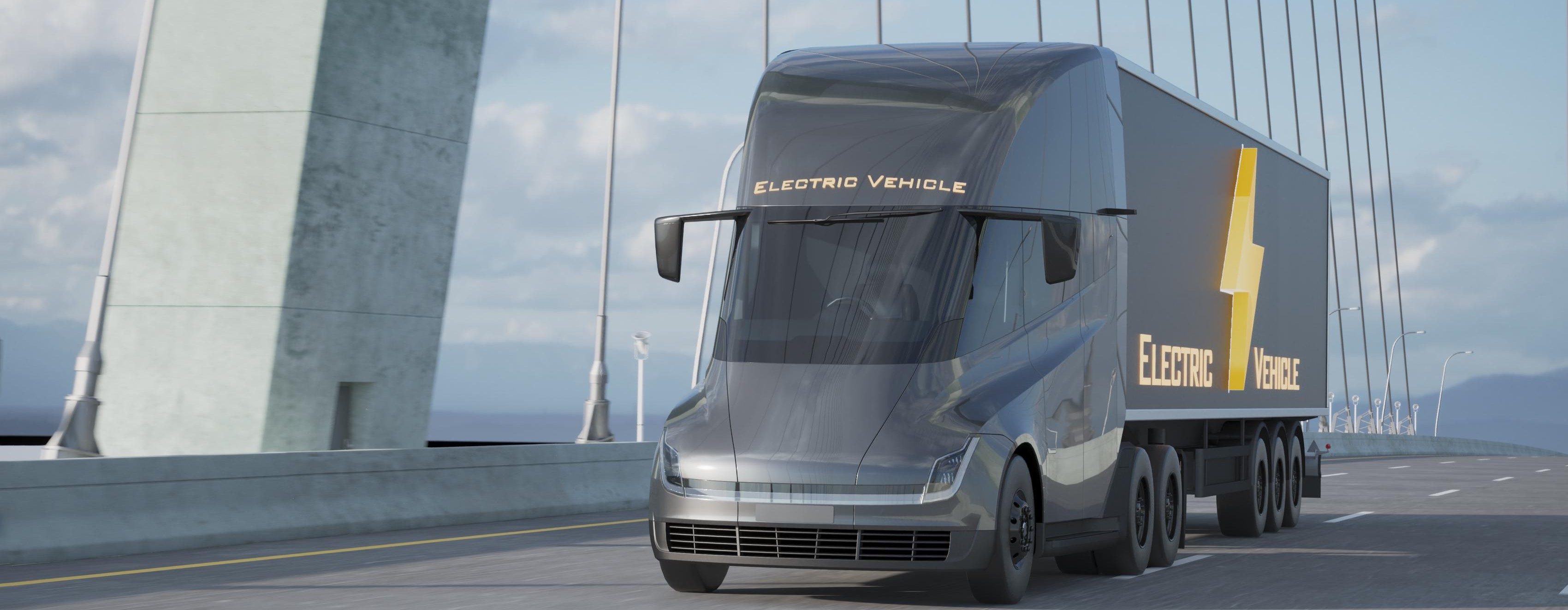
Australia Post is accelerating the electrification of its delivery network with the expansion of electric trucks and vans, supported by a A$40.5 million investment from the Australian Government. The initiative will strengthen the country's largest electric delivery fleet while reducing reliance on diesel vehicles and lowering emissions across postal and logistics operations.
The rollout includes electric vans, light and heavy rigid trucks, prime movers, and supporting charging infrastructure. By extending electrification beyond last-mile delivery vehicles, the program aims to improve fleet efficiency, reduce operating emissions, and support Australia's broader transport decarbonization objectives.
The investment forms part of Australia's wider efforts to accelerate the adoption of zero-emission transport and build more sustainable logistics networks. Expanding electric commercial fleets is expected to improve air quality, reduce fuel consumption, and strengthen the resilience of freight and postal services while contributing to the country's long-term net-zero ambitions.
Postal and last-mile delivery is one of the more replicable use cases for commercial vehicle electrification. Predictable routes, predictable duty cycles, central depot infrastructure and continuous return-to-base operations make it easier to plan charging, battery sizing and fleet scheduling than long-haul or ad-hoc logistics. Extending electrification to prime movers and heavy rigid trucks pushes the model into more demanding segments.
The A$40.5 million government contribution is meaningful for a national operator with the scale of Australia Post, but the strategic value is broader. Postal-service electrification often anchors charging infrastructure that becomes available to third-party fleet operators over time, accelerating the wider transition of commercial road transport within regional communities.
For logistics operators, retailers, industrial fleet owners and their financiers, Cognitud's supply chain and operations, climate action and energy transition teams help clients build EV-transition roadmaps, evaluate fleet-and-charging total-cost-of-ownership across duty cycles, and structure disclosures aligned with Scope 1 and Scope 3 emissions reporting expectations that increasingly determine access to sustainability-linked financing and preferred-supplier status with corporate customers.

• 𝘛𝘩𝘦 𝘜𝘈𝘌 𝘍𝘰𝘰𝘥 𝘉𝘢𝘯𝘬 𝘢𝘯𝘥 𝘋𝘶𝘣𝘢𝘪’𝘴 𝘊𝘰𝘮𝘮𝘶𝘯𝘪𝘵𝘺 𝘋𝘦𝘷𝘦𝘭𝘰𝘱𝘮𝘦𝘯𝘵 𝘈𝘶𝘵𝘩𝘰𝘳𝘪𝘵𝘺 (𝘊𝘋𝘈) 𝘩𝘢𝘷𝘦 𝘴𝘪𝘨𝘯𝘦𝘥 𝘢𝘯 𝘢𝘨𝘳𝘦𝘦𝘮𝘦𝘯𝘵 𝘵𝘰 𝘤𝘰𝘭𝘭𝘦𝘤𝘵 𝘢𝘯𝘥 𝘳𝘦𝘥𝘪𝘴𝘵𝘳𝘪𝘣𝘶𝘵𝘦 𝘴𝘶𝘳𝘱𝘭𝘶𝘴 𝘧𝘰𝘰𝘥 𝘧𝘳𝘰𝘮 𝘸𝘦𝘥𝘥𝘪𝘯𝘨𝘴 𝘢𝘯𝘥 𝘦𝘷𝘦𝘯𝘵𝘴. • 𝘛𝘩𝘦 𝘪𝘯𝘪𝘵𝘪𝘢𝘵𝘪𝘷𝘦 𝘸𝘪𝘭𝘭 𝘧𝘰𝘭𝘭𝘰𝘸 𝘢𝘱𝘱𝘳𝘰𝘷𝘦𝘥…

<ul><li><i>India’s rooftop solar capacity reached 30.7 GW in July 2026, increasing the need for better grid management and flexibility.</i></li><li><i>Kerala and Maharashtra are exploring battery ener…

• 𝘛𝘩𝘦 𝘌𝘐𝘉 𝘎𝘳𝘰𝘶𝘱 𝘱𝘭𝘢𝘯𝘴 𝘵𝘰 𝘱𝘳𝘰𝘷𝘪𝘥𝘦 𝘢𝘵 𝘭𝘦𝘢𝘴𝘵 €30 𝘣𝘪𝘭𝘭𝘪𝘰𝘯 𝘧𝘰𝘳 𝘤𝘭𝘪𝘮𝘢𝘵𝘦 𝘢𝘥𝘢𝘱𝘵𝘢𝘵𝘪𝘰𝘯 𝘣𝘦𝘵𝘸𝘦𝘦𝘯 2026 𝘢𝘯𝘥 2030. • 𝘛𝘩𝘦 𝘯𝘦𝘸 𝘵𝘢𝘳𝘨𝘦𝘵 𝘥𝘰𝘶𝘣𝘭𝘦𝘴 𝘢𝘥𝘢𝘱𝘵𝘢𝘵𝘪𝘰𝘯 𝘧𝘪𝘯𝘢𝘯𝘤𝘪𝘯𝘨 𝘤𝘰𝘮𝘱𝘢𝘳𝘦𝘥 𝘸𝘪𝘵𝘩 𝘵𝘩𝘦 𝘱𝘳𝘦𝘷𝘪𝘰𝘶𝘴 𝘧𝘪𝘷𝘦-𝘺𝘦𝘢𝘳 𝘱𝘦𝘳𝘪𝘰𝘥. • 𝘍𝘶𝘯𝘥𝘪𝘯𝘨…