


10 September 2025
Ahmadi Governorate has launched the “Together for E-Waste-Free Schools” initiative, a wide-reaching sustainability campaign in partnership with public institutions and certified recycling partners. The program aims to embed a culture of responsible electronic waste management and promote circular economy principles by setting up e-waste collection points in schools and launching education drive across communities.
The initiative involves coordinated efforts among the education ministry, environmental authorities, universities, and incubators to drive e-waste collection, material recovery, and safe disposal. The campaign fosters community engagement through workshops, awareness sessions, and hands-on activities targeting students, teachers, and families.
Running until January 2026, the project includes an awareness and education phase followed by practical implementation and concludes with a final evaluation and recognition of top-performing schools. This initiative stands as a model of public-private collaboration, aimed at transforming e-waste from a hazard into a resource and laying the foundation for long-term environmental stewardship and sustainability values in young generations.
School-based e-waste programmes address two challenges simultaneously: near-term material recovery from a growing but often mismanaged waste stream, and long-term behaviour change through youth engagement. The public-private structure - combining education and environmental ministries with certified recycling partners - provides the coordination architecture needed for sustained programme delivery beyond one-off collection drives.
The three-phase design (awareness, implementation, evaluation) and school-recognition mechanism build the incentives for schools and communities to participate meaningfully. E-waste's economic value (precious and critical metals) also makes formal collection commercially attractive when volumes scale - potentially self-sustaining beyond initial government funding.
For electronics manufacturers, IT-services companies, retailers and CSR programme managers, Cognitud's circular economy, CSR and impact assessment teams help clients design EPR-compliant take-back programmes, structure school and community partnerships, and prepare disclosures aligned with BRSR, ISSB and GCC-jurisdictional waste-management frameworks that increasingly determine reputational and regulatory positioning.

• 𝘛𝘩𝘦 𝘜𝘈𝘌 𝘍𝘰𝘰𝘥 𝘉𝘢𝘯𝘬 𝘢𝘯𝘥 𝘋𝘶𝘣𝘢𝘪’𝘴 𝘊𝘰𝘮𝘮𝘶𝘯𝘪𝘵𝘺 𝘋𝘦𝘷𝘦𝘭𝘰𝘱𝘮𝘦𝘯𝘵 𝘈𝘶𝘵𝘩𝘰𝘳𝘪𝘵𝘺 (𝘊𝘋𝘈) 𝘩𝘢𝘷𝘦 𝘴𝘪𝘨𝘯𝘦𝘥 𝘢𝘯 𝘢𝘨𝘳𝘦𝘦𝘮𝘦𝘯𝘵 𝘵𝘰 𝘤𝘰𝘭𝘭𝘦𝘤𝘵 𝘢𝘯𝘥 𝘳𝘦𝘥𝘪𝘴𝘵𝘳𝘪𝘣𝘶𝘵𝘦 𝘴𝘶𝘳𝘱𝘭𝘶𝘴 𝘧𝘰𝘰𝘥 𝘧𝘳𝘰𝘮 𝘸𝘦𝘥𝘥𝘪𝘯𝘨𝘴 𝘢𝘯𝘥 𝘦𝘷𝘦𝘯𝘵𝘴. • 𝘛𝘩𝘦 𝘪𝘯𝘪𝘵𝘪𝘢𝘵𝘪𝘷𝘦 𝘸𝘪𝘭𝘭 𝘧𝘰𝘭𝘭𝘰𝘸 𝘢𝘱𝘱𝘳𝘰𝘷𝘦𝘥…
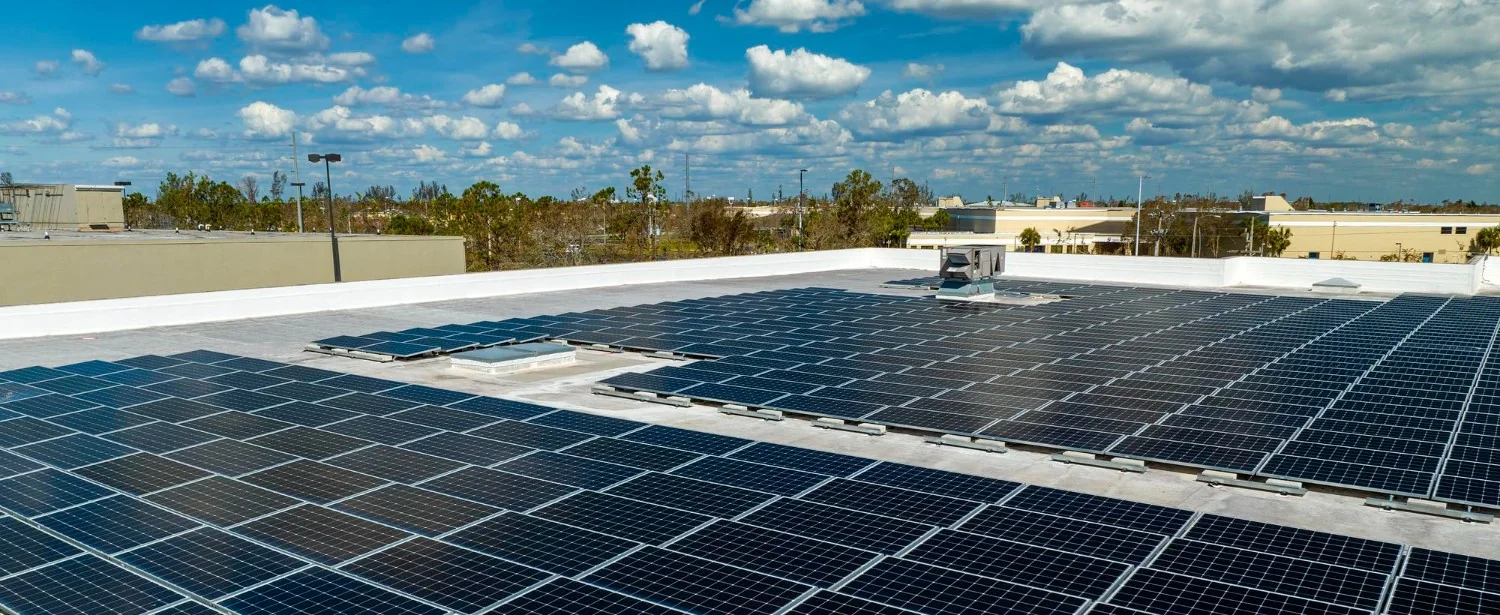
<ul><li><i>India’s rooftop solar capacity reached 30.7 GW in July 2026, increasing the need for better grid management and flexibility.</i></li><li><i>Kerala and Maharashtra are exploring battery ener…

• 𝘛𝘩𝘦 𝘌𝘐𝘉 𝘎𝘳𝘰𝘶𝘱 𝘱𝘭𝘢𝘯𝘴 𝘵𝘰 𝘱𝘳𝘰𝘷𝘪𝘥𝘦 𝘢𝘵 𝘭𝘦𝘢𝘴𝘵 €30 𝘣𝘪𝘭𝘭𝘪𝘰𝘯 𝘧𝘰𝘳 𝘤𝘭𝘪𝘮𝘢𝘵𝘦 𝘢𝘥𝘢𝘱𝘵𝘢𝘵𝘪𝘰𝘯 𝘣𝘦𝘵𝘸𝘦𝘦𝘯 2026 𝘢𝘯𝘥 2030. • 𝘛𝘩𝘦 𝘯𝘦𝘸 𝘵𝘢𝘳𝘨𝘦𝘵 𝘥𝘰𝘶𝘣𝘭𝘦𝘴 𝘢𝘥𝘢𝘱𝘵𝘢𝘵𝘪𝘰𝘯 𝘧𝘪𝘯𝘢𝘯𝘤𝘪𝘯𝘨 𝘤𝘰𝘮𝘱𝘢𝘳𝘦𝘥 𝘸𝘪𝘵𝘩 𝘵𝘩𝘦 𝘱𝘳𝘦𝘷𝘪𝘰𝘶𝘴 𝘧𝘪𝘷𝘦-𝘺𝘦𝘢𝘳 𝘱𝘦𝘳𝘪𝘰𝘥. • 𝘍𝘶𝘯𝘥𝘪𝘯𝘨…