Due to the increased acidity of the ocean, the ocean chemistry experiences massive changes that adversely affect not just aquatic beings but also the human population.
Table Head |
|---|
| Enter Data |

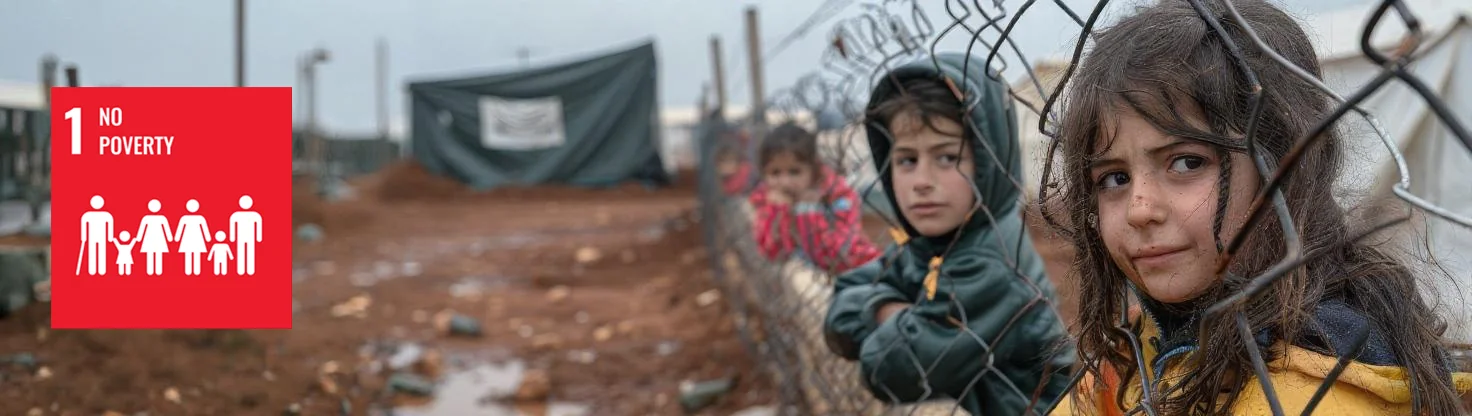
What holds us back from ending poverty is a deep web of persistent inequalities, fragile governance, and widening economic gaps.
Gender, social, and economic disparities continue to block access to education, healthcare, and opportunity, keeping the most vulnerable locked in cycles of deprivation. Climate change worsens the crisis—devastating agriculture, displacing communities, and hitting the poorest hardest.
In fragile and conflict-ridden states, instability and weak institutions stall any meaningful progress, while massive financing gaps cripple efforts to scale solutions where they’re needed most.
At the same time, rapid population growth, uneven access to essential services, and technological divides pile pressure on already strained systems. Global shocks—like the COVID-19 pandemic, wars, and displacement—have unraveled years of progress. The roadblocks are complex and intertwined, demanding urgent global cooperation, inclusive policy frameworks, and bold investments. Without a radical shift in commitment and execution, the 2030 target to eradicate poverty will remain out of reach.

Enter Subheading para
Ending poverty by 2030 is not just a moral obligation—it is a shared global responsibility. Achieving SDG 1 requires urgent, inclusive, and transformative action across sectors and societies. Only by working together—governments, businesses, individuals, and communities—can we create a future where no one lives in poverty, and every human being has the opportunity to live with dignity.

Shipra Jain
Future-proof your organization with sustainability frameworks tailored to your sector.
SDG 1: No Poverty is the first of the UN’s 17 Sustainable Development Goals, aiming to eradicate extreme poverty everywhere and ensure equal access to resources, services, and opportunities by 2030.
AI can help achieve SDG 1 (No Poverty) by improving poverty mapping with real-time data, enhancing social protection targeting, boosting financial inclusion, and supporting early warning systems for climate and economic shocks.
SDG 1 is important because poverty reduction is the foundation for sustainable development—without ending poverty, achieving progress in health, education, equality, and climate action is impossible.
The goal of No Poverty is to ensure that no one lives on less than $2.15 a day, reduce inequalities, and guarantee access to food, shelter, healthcare, education, and social protection for all.