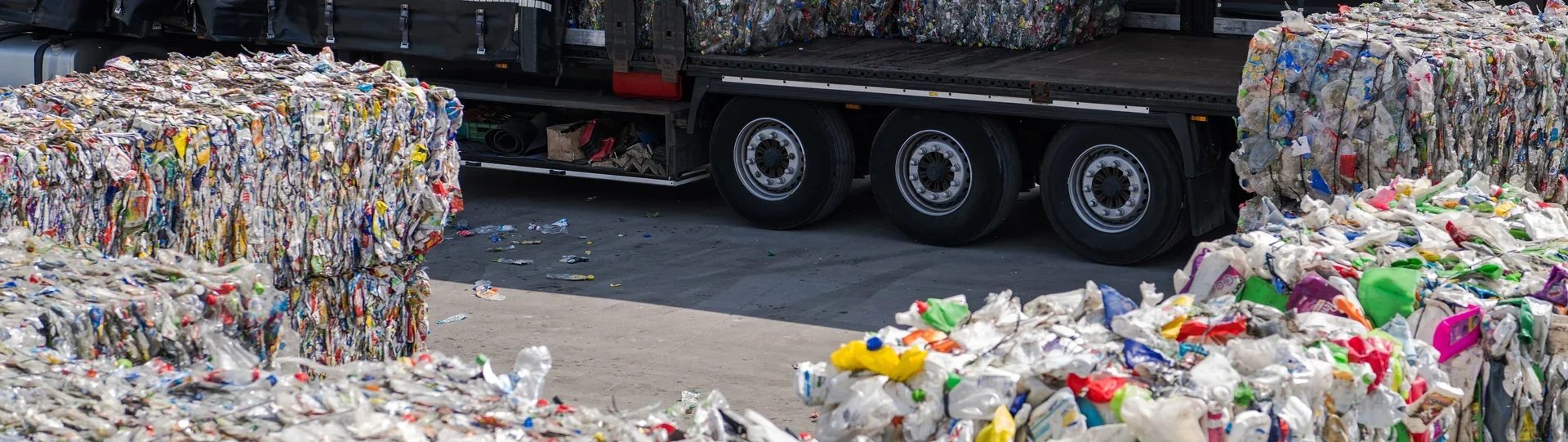
Waste management comprises of each and every method the waste can be managed, irrespective of how effective one method is over the other. From recycling to composting, every action that leads to the minimization of waste production can be regarded as the process of waste management. Basically, waste management covers the whole lifecycle of waste, starting from its generation and ending with its disposal or recovery, for that matter.
Management of waste includes all kinds of waste, such as industrial, household, and hazardous, and in every form, like solid, liquid, and gas. Overall, the waste management is done to cut down on the amount of waste that makes its way into landfills.
The time has gone for traditional waste management with the arrival of new and innovative waste management techniques that ensure sustainable living. With the continuous growth of waste, traditional ways have begun to show their restrictions, and this is where modern waste management methods have taken the baton of saving the environment. Waste that goes to landfills and the process of incineration hugely contribute to environmental pollution, such as increasing greenhouse gas emissions, creating groundwater pollution, and destroying habitat. While landfills lead to the emission of methane, incineration releases dangerous contaminants into the atmosphere. Lack of space is another challenge for carrying out waste management with traditional techniques in metropolises. Since there is hardly any space left in such regions, the available land for landfills is very expensive. In addition, the traditional waste management approach has become a matter of social justice since most of the landfills and waste management facilities are situated in impoverished areas. While it poses serious health risks to the people living in these communities, it also raises questions about morality.

No landfill development
Alarmingly, the US solely accounts for sending about 150 million tonnes of waste into landfills every single year rather than recycling it, according to Medium. Waste will stop accumulating in landfills if we reduce overall waste disposal.
Industrial Manufacturing
According to businesswaste.co.uk, every single year, 9.2 billion tonnes of waste are generated from the industrial manufacturing processes globally. It comprises everything from solid, liquid, and chemical waste produced by manufacturing plants, factories, engineering sites, construction, and mills. As stated by Transparency Market Research, the market for industrial waste management was valued at USD 791.14 billion in 2020. It is expected that the figure will increase at a CAGR of 10.4% in the following decade, i.e., by 2031, eventually reaching USD 2.3 trillion.
Due to the increased acidity of the ocean, the ocean chemistry experiences massive changes that adversely affect not just aquatic beings but also the human population.

Enter Subheading para
Being experts at their profession, Cognitud’s sustainability consultants provide extensive guidance and support to the businesses that aim to apply advanced waste management strategies into their business operations to achieve sustainability.
Our advisors will conduct in-depth waste audits, which will involve waste composition analysis to find out opportunities for energy recovery, recycling, and composting. Thereafter, they will work towards devising a personalized waste management strategy as per the business requirements and implementing the same to mitigate waste generation.
They will make sure that the developed strategies follow the environmental regulations thoroughly, and then they will ensure to track the performance to determine areas for improvement. Our sustainability experts are always on their toes to encourage a recycling or waste reduction culture amongst businesses.
All in all, Cognitud’s sustainability consultants help businesses contribute hugely to a more greener and livable future.

Innovation, cooperation, and dedication towards achieving sustainability are the only ways to expect a bright future for waste management and recycling. By practicing the above-mentioned waste management and recycling programs, businesses can easily deal with the challenges of waste generation as well as resource depletion. With the amalgamation of innovative solutions and collective effort, we can create a well-organized sustainable waste management system that could help in the betterment of the Earth at the present and in the forthcoming years.

Shipra Jain
Future-proof your organization with sustainability frameworks tailored to your sector.
Waste management involves all methods of handling waste from its generation to its disposal or recovery. It includes processes such as recycling, composting, and treatment of various types of waste—industrial, household, and hazardous—in solid, liquid, or gaseous forms to minimize environmental impact.
Waste management is important because it helps reduce the amount of waste going to landfills, lowers pollution, conserves natural resources, and mitigates environmental issues like greenhouse gas emissions and biodiversity loss.
Waste management reduces waste accumulation, prevents pollution, and promotes the reuse and recycling of materials. It ensures proper treatment and disposal methods that protect the environment and support sustainable living.
Yes, waste management incorporates recycling as a key method to convert materials like paper, glass, textiles, and plastics into reusable products, reducing landfill use and minimizing environmental harm.
Zero waste management is an approach that aims to eliminate waste entirely by redesigning systems and products to maximize reuse, recycling, and resource efficiency, creating a circular economy with minimal environmental impact.