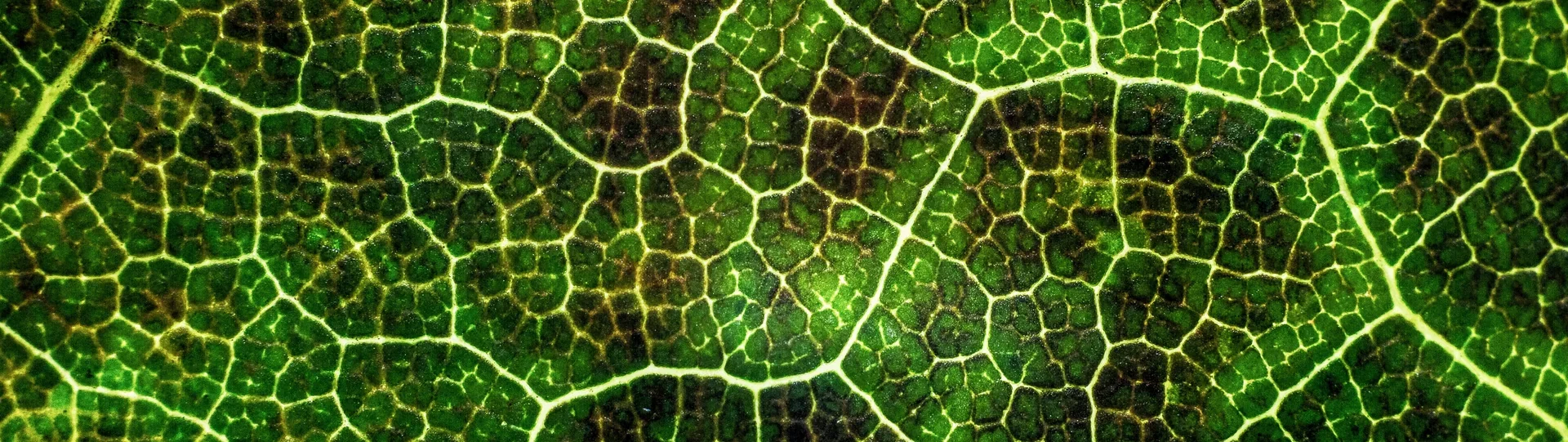

Now, let’s understand what biomimicry, also known as biomimetics or biomimetism, really is. Derived from the Greek terms ‘bios’ meaning life and ‘mimesis’ meaning imitation, biomimicry relates to the ability to mimic Mother Nature or biological entities to come up with innovative designs and solutions. For instance, modern office settings have taken inspiration from beehives. The way bees come back to their hives to transfer information to their peers about the location of flowers, in the same manner, organizations have built such an official hive where employees develop and share innovative concepts. The word biomimicry was made popular by author and scientist Janine Beyuns in her book “Biomimicry: Innovation Inspired by Nature,” which was published back in 1982. The term biomimetics is also used in place of biomimicry or biomimetism. The term was coined by American inventor and biophysicist Otto Schmitt, which means shifting ideas from biology to technology.
To understand the concept of biomimicry on a deeper level, it is necessary to learn about the three principles on which the foundational base of biomimicry is built. These biomimicry principles are explained below:
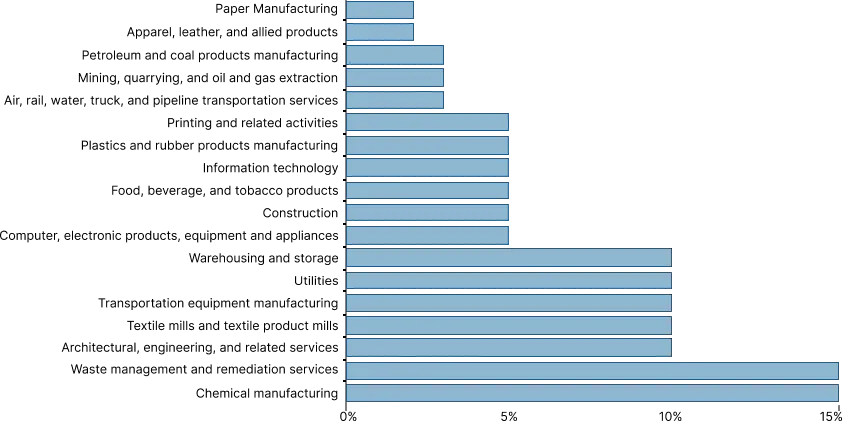
The first and foremost benefit of biomimicry is that it aids in creating mostly sustainable and environmentally friendly designs or products. Biomimicry tells us how nature manages to solve issues that act as a hindrance to its own evolution and how we, as humans, can come up with likewise solutions to our own problems. Basically, biomimicry design shows us how to achieve sustainability, as the developments made through biomimicry are more sustainable, strong, and effective. All in all, the result of designing a product through biomimicry is considered far better than the one that is made by unnatural means. Fermanian Business & Economic Institute recently presented a report that demonstrated growing activity in the biomimicry domain. It was predicted that nature-mimicking innovation could be responsible for around 425 billion dollars (valued in 2013) of the US GDP by the year 2030

Due to the increased acidity of the ocean, the ocean chemistry experiences massive changes that adversely affect not just aquatic beings but also the human population.
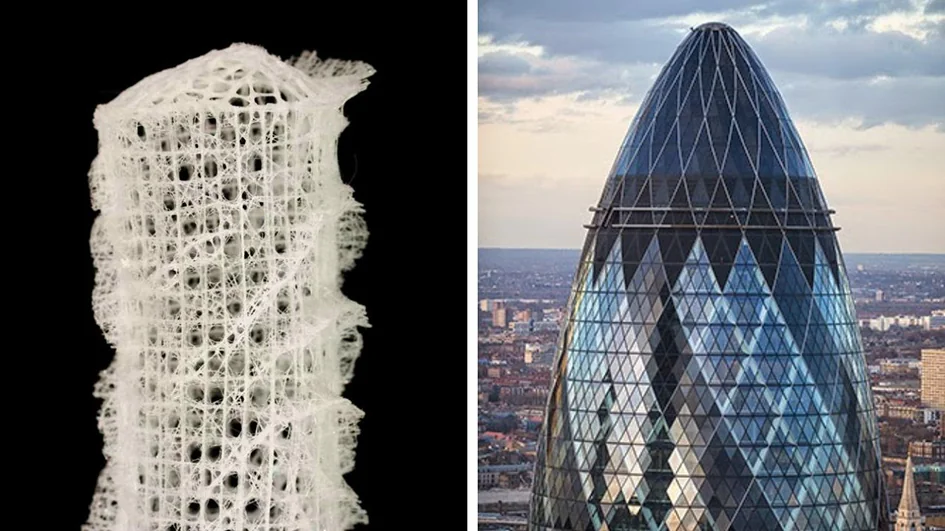
Inspired by an aquatic being called Venus Flower Basket, the Gherkin is a well-known skyscraper in London. A sea sponge, the Venus Flower Basket, gets its cage-like structure from the innumerable spikes placed horizontally, vertically, and diagonally. This intriguing formation is extremely robust in nature and aesthetically beautiful. The same concept was integrated into the exterior of the Gherkin, which makes the building incredibly strong and stable.
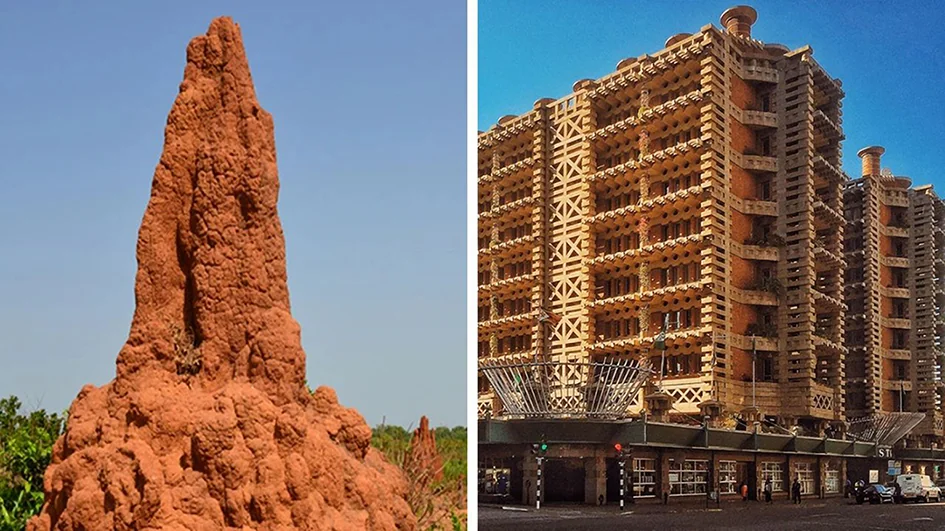
In 1996, in Harare, Zimbabwe, architect Mick Pearce designed a revolutionary infrastructure that resembles a termite mound. These mounds house fungi, which require a temperature of 30.5°C, while the external temperature can range from 1 to 40°C. Through the opening and closing of both cooling and heating vents found at the top and bottom of the mound, the fungi keeps a stable internal temperature. Mick Pearce studied the cooling tunnels and chimneys of the termite dens and applied his incurred knowledge into the design of the Eastgate Centre. During the night, the huge chimneys of the building naturally pull in cool air to minimize the temperature of the floor slabs like the termite dens. During the day, the floor slabs withhold the coolness, eliminating the requirement of air conditioning. The end result of such innovation in infrastructure is that the Eastgate Centre consumes less than 10% energy than a traditional building of similar size, leading to fewer carbon emissions. This very infrastructure is a perfect example of biomimicry architecture.
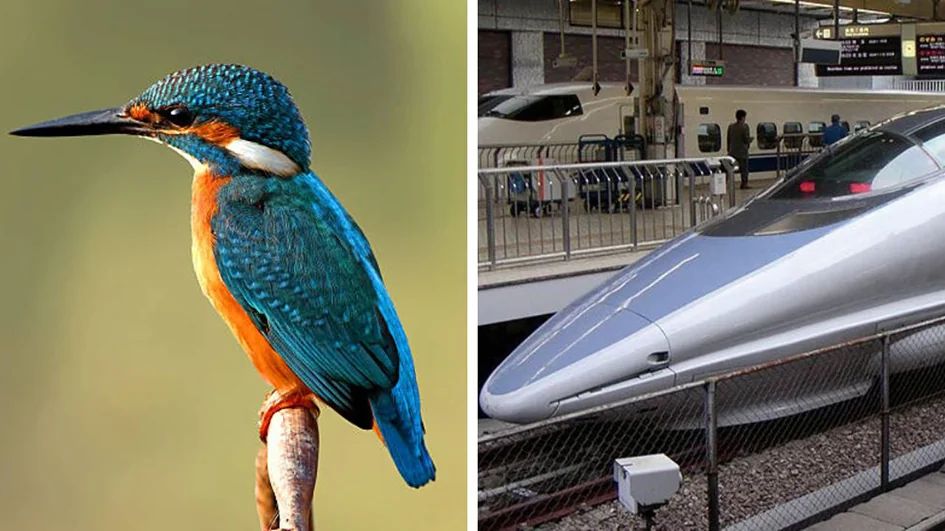
When the bullet train in Japan made people’s heads turn in its initial phase, it also disturbed residents living nearby due to its production of a loud boom while exiting tunnels. Since the lead designer, Eiji Nakatsu, was an enthusiastic bird watcher, he came up with a nature-inspired solution to the problem. He observed how a kingfisher travels from air to water to catch its prey without making any sort of noise. This drove him to modify the front of the bullet train in such a way that it looks just like the beak of a kingfisher. This enabled the train to move out of the tunnel without producing a loud boom.
Biomimicry embraces a broad spectrum of industries, comprising agriculture , architecture, engineering, transportation, medicine, and a lot more. In this world that is surrounded by so many climate issues, biomimicry turns out to be a glimmer of hope. Nature’s magnificence and versatility bestow on humans a fountain of inspiration to create sustainable designs. With the advancement of technology, human’s ability to get into the nitty-gritty of nature's designs will positively yield countless sustainable or biomimicry solutions. Businesses can contribute to a greener environment if they consider nature-inspired solutions for human-centric problems. Developments in biomimicry could result in the innovation of self-healing structures inspired by spider silk or super-strong and lightweight materials inspired by bones. In energy production, biomimicry could result in more effective solar cells imitating photosynthesis or wind turbines inspired by whale fins.
As the term suggests, sustainability advisors or consultants design and implement practices that are sustainably oriented. Cognitud encompasses a team of highly- experienced professionals who are expert at providing valuable consultations to businesses, helping them create a nature-centric business atmosphere. Our sustainability advisors examine a company's operations to identify areas that require the implementation or improvement of sustainable practices. Their responsibility includes assessing supply chain logistics, waste management processes, energy consumption, and a lot more. After an in-depth consideration, our sustainability advisors come up with solutions on how to mitigate the negative environmental effects produced by the company while simultaneously helping them make more profits than ever. From circular economy to biomimicry, our sustainability consultants have all the knowledge under their belt, which is enough for your business to walk on a sustainable path while experiencing increased operational efficiency and cost savings.


Nilanjana Bhowmick
Position your organization with strategies built around your industry realities.
Biomimicry is the practice of imitating nature’s strategies, processes, and designs to develop innovative human solutions. Derived from the Greek words ‘bios’ (life) and ‘mimesis’ (imitation), it focuses on learning from nature to create sustainable and efficient technologies.
Biomimicry has inspired countless innovations by taking cues from natural systems. From the Wright Brothers designing the first airplane by observing pigeons to modern offices modeled after beehives, nature continues to provide ideas that drive breakthrough solutions across industries.
Biomimicry works by studying nature’s forms, processes, and ecosystems, then applying these insights to solve human challenges. Designers emulate natural models, consider ethical and sustainable impacts, and reconnect with nature to create solutions aligned with environmental systems.
Biomimicry is important because it enables the creation of sustainable, efficient, and innovative solutions by leveraging nature’s time-tested strategies. It promotes environmental responsibility, reduces resource consumption, and fosters designs that work in harmony with the planet.
Notable examples include the Gherkin Tower in London inspired by the structure of the Venus Flower Basket sea sponge, Zimbabwe’s Eastgate Centre modeled after termite mounds for natural cooling, and Japan’s bullet train redesigned after a kingfisher’s beak for quieter, faster travel.