Article





The Global Reporting Initiative (GRI) is an independent, not-for-profit organisation founded in 1997 by the US-based non-profit Ceres and the consulting agency Tellus Institute. Not long after its inception, the initiative gained recognition from the United Nations Environment Programme (UNEP) for promoting sustainable development and enhancing corporate transparency. The Global Reporting Initiative (GRI®) introduced the Global Reporting Initiative (GRI) guidelines, which later evolved into today’s GRI Standards—one of the world’s most widely adopted sustainability and ESG (Environmental, Social, and Governance) reporting frameworks. These GRI ESG standards enable organizations to disclose their sustainability performance with clarity and accountability. As a pioneer in sustainability reporting, GRI has developed an extensive framework that allows businesses, governments, and other entities to measure, report, and communicate their ESG impacts transparently. By following GRI standards, companies can unlock the benefits of GRI reporting, including improved transparency, stakeholder trust, and strategic decision-making. GRI continues to update its standards to reflect evolving regulations, market needs, and the broader sustainability landscape.

Due to the increased acidity of the ocean, the ocean chemistry experiences massive changes that adversely affect not just aquatic beings but also the human population.

The Impact of Deforestation
Organizations that should consider GRI reporting include large corporations, especially those in high-impact sectors like oil, gas, and mining, as well as medium-sized enterprises and small businesses seeking to increase the disclosure of the ESG risks.
Additionally, public sector entities and governmental organizations can utilize GRI standards to communicate their sustainability efforts effectively. GRI reporting also provides value to nonprofits and NGOs to convey the organizations' sustainability engagements.
With over 10,000 organizations participating globally, GRI reporting is increasingly recognized as a crucial tool for accountability and stakeholder engagement across diverse sectors.
The four key concepts of GRI Standard are listed in the GRI 1: Foundation 2021 document. These four concepts are:
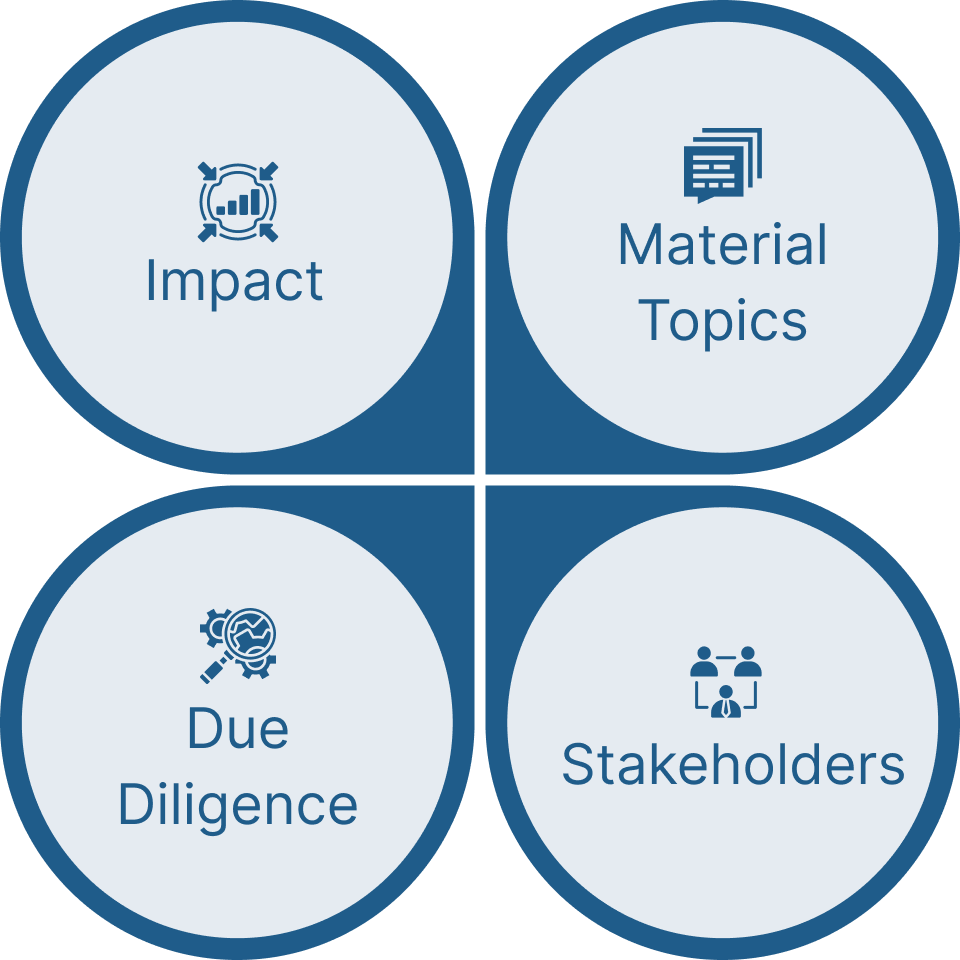
To ensure optimum quality reporting, the GRI Standard identifies eight reporting principles namely:

Following these principles and requirements, businesses can produce sturdy and credible sustainability reports aligned with global sustainability practices.

Enter Subheading para

It has a voluntary framework, and this can limit the comparison and transparency of sustainability reporting, as not all businesses use the identical framework in reporting.
Due to the increased acidity of the ocean, the ocean chemistry experiences massive changes that adversely affect not just aquatic beings but also the human population.
Enter Subheading para
Cognitud provides the guidance for sustainability reports by following the Global Reporting Initiative (GRI) Standards. Thus, with proper solutions, we eliminate the complexity in the understanding of GRI’s Universal, Sector, and Topic Standards while increasing the level of transparency, accuracy, and compliance. We embed sustainability into your business solutions, enabling you to create trust, drive change, and showcase your organisation as a sustainable one. Allow Cognitud to be your trusted partner on your sustainability journey!


Abhigyan Gupta
Advance your strategy with solutions calibrated to your market environment.
GRI reporting refers to sustainability reporting based on the Global Reporting Initiative (GRI) Standards. It enables organizations to measure and disclose their environmental, social, and governance (ESG) impacts in a transparent and comparable way. The goal is to improve accountability and help stakeholders understand how a company contributes to sustainable development.
As of 2025, the GRI Standards framework includes: • 3 Universal Standards (GRI 1, GRI 2, GRI 3) • Sector Standards (industry-specific, such as Oil & Gas, Coal, Agriculture, and more being developed) • 31 Topic Standards covering issues like Climate Change, Biodiversity, Labor, and Human Rights. Together, these make up a modular system allowing flexibility across industries and reporting needs.
While GRI itself does not “certify” organizations, it offers training and certification for individuals through the GRI Certified Training Program. To become GRI-certified, you can complete official courses provided by GRI or its accredited training partners. These programs help professionals understand and apply the GRI Standards effectively in sustainability reporting.
GRI is both a framework and a set of standards. It provides a structured framework for sustainability reporting and is composed of specific reporting standards that guide what and how organizations should disclose their ESG information. The modular design allows organizations to report consistently and comparably across industries and regions.
Yes — GRI certification is highly valuable for professionals and organizations committed to sustainability. It enhances credibility, strengthens ESG reporting skills, and demonstrates expertise in global sustainability practices. For companies, using GRI Standards helps improve transparency, attract responsible investors, and align with international sustainability goals.
