


INDUSTRIESCASE STUDIES
Consumer Goods & Retail
Ingredient specifications influence procurement outcomes as much as supplier selection.
To optimize palm oil procurement across cost, quality, and sustainability objectives, a leading food manufacturer brought in Cognitud to redesign its sourcing strategy, strengthening supply continuity and supporting responsible sourcing commitments.
The company's procurement model relied heavily on imported palm oil, leaving it exposed to price volatility, extended lead times, and geopolitical disruptions affecting global supply. At the same time, purchased oil grades frequently exceeded the technical requirements of specific food applications, resulting in avoidable procurement costs without delivering additional product value. The organization also needed to strengthen sourcing practices while maintaining compliance with food safety standards and aligning procurement decisions with RSPO sustainability requirements.
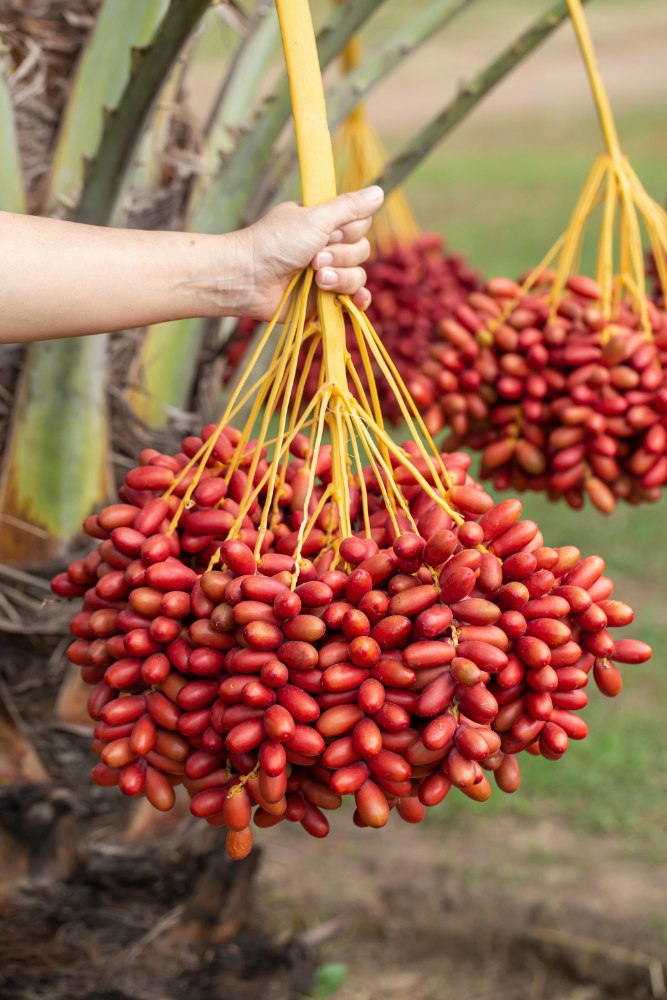
The company's procurement model relied heavily on imported palm oil, leaving it exposed to price volatility, extended lead times, and geopolitical disruptions affecting global supply. At the same time, purchased oil grades frequently exceeded the technical requirements of specific food applications, resulting in avoidable procurement costs without delivering additional product value. The organization also needed to strengthen sourcing practices while maintaining compliance with food safety standards and aligning procurement decisions with RSPO sustainability requirements.
Cognitud evaluated historical procurement patterns, supplier capabilities, and oil grade specifications to identify opportunities for commercial and technical optimization. Supplier networks across Indonesia, Malaysia, and domestic refining partners were assessed based on pricing structures, refining capabilities, logistics efficiency, quality systems, and certification compliance.
Rather than negotiating price alone, the sourcing strategy focused on aligning palm oil specifications with actual production requirements, eliminating unnecessary over-specification while preserving product performance. Competitive sourcing exercises and commercial benchmarking supported long-term contracting with refiners capable of combining efficient crude palm oil sourcing with localized refining operations, creating a more resilient and cost-effective supply model.

Cognitud evaluated historical procurement patterns, supplier capabilities, and oil grade specifications to identify opportunities for commercial and technical optimization. Supplier networks across Indonesia, Malaysia, and domestic refining partners were assessed based on pricing structures, refining capabilities, logistics efficiency, quality systems, and certification compliance.
Rather than negotiating price alone, the sourcing strategy focused on aligning palm oil specifications with actual production requirements, eliminating unnecessary over-specification while preserving product performance. Competitive sourcing exercises and commercial benchmarking supported long-term contracting with refiners capable of combining efficient crude palm oil sourcing with localized refining operations, creating a more resilient and cost-effective supply model.
The redesigned sourcing strategy delivered approximately 7% procurement savings by leveraging localized refining efficiencies and more competitive international supply arrangements. Additional value was created by introducing customized oil grades aligned with manufacturing requirements, reducing unnecessary input costs without compromising quality. Long-term supply agreements improved pricing stability, strengthened supplier collaboration, and enhanced procurement predictability, providing the business with a more resilient sourcing framework capable of responding to future market volatility while supporting responsible procurement objectives.
More case studies
Consumer Goods & Retail
Managing sustainability across a global agricultural value chain requires consistent governance from farm-gate sourcing to international markets.
Read more
Consumer Goods & Retail
Reliable logistics depends on more than transport capacity; it depends on how that capacity is sourced, governed, and managed.
Read more
Pharmaceuticals & Healthcare
Supply continuity for sterile active pharmaceutical ingredients depends on far more than competitive pricing.
Read moreThe next chapter of success starts with one conversation.
Talk to our Experts