

INDUSTRIESCASE STUDIES
Consumer Goods & Retail
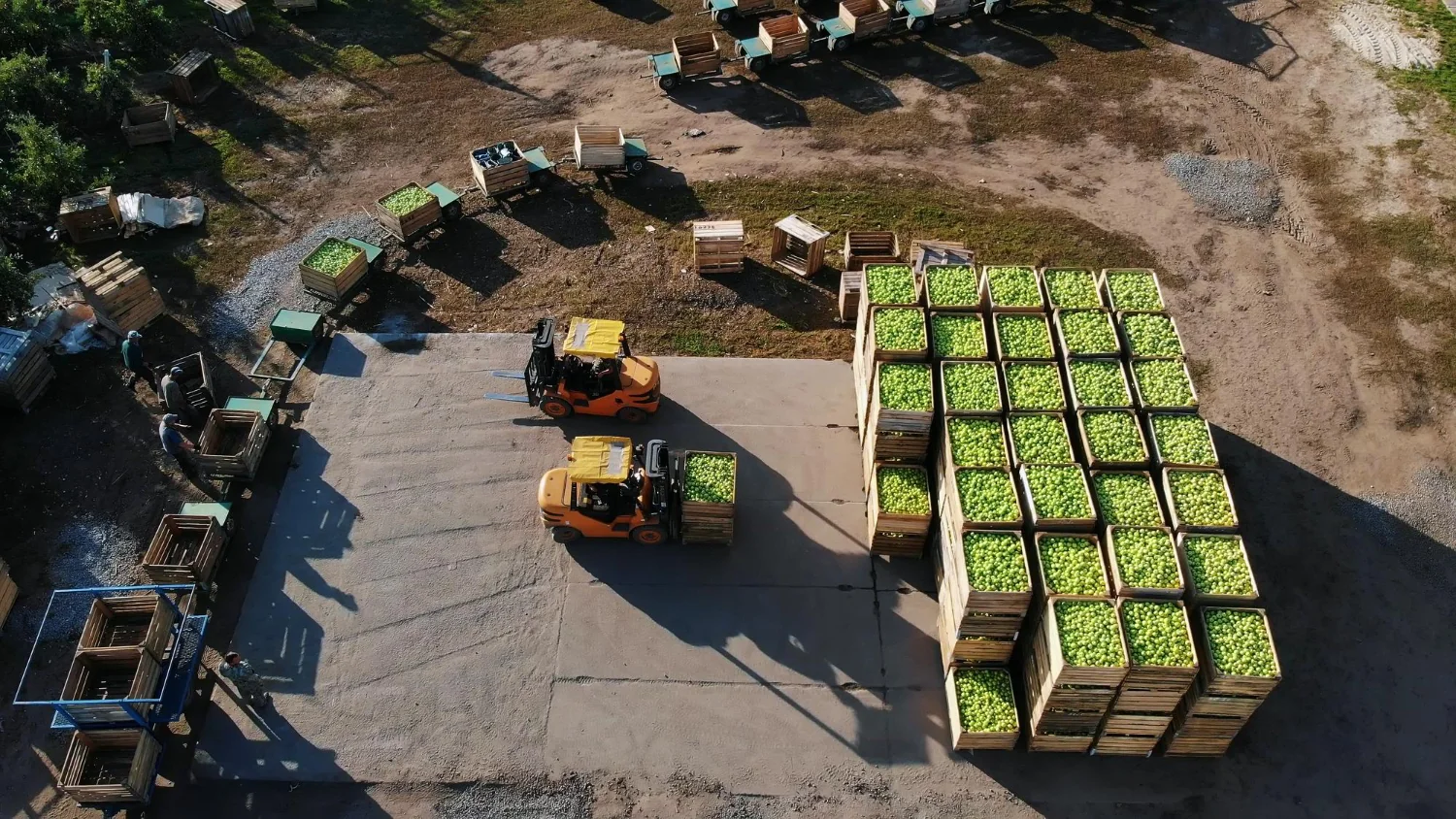
Managing sustainability across a global agricultural value chain requires consistent governance from farm-gate sourcing to international markets.
A global agri commodities and food ingredients company operating across more than 20 countries, with over 20 product categories and a sourcing network reaching approximately 150,000 smallholder farmers, worked with Cognitud to establish the ESG capabilities needed to support long-term growth, strengthen governance, and meet the environmental and social expectations of development finance institutions.
The organization's footprint extended from farm-gate sourcing and processing to international distribution, creating sustainability challenges that varied across geographies, products, and supplier networks. Greenhouse gas emissions had never been measured comprehensively across Scopes 1, 2, and 3, product-level environmental impacts lacked lifecycle visibility, and climate-related risks had not been evaluated through a consistent methodology. At the same time, expanding relationships with development finance institutions increased expectations around responsible sourcing, environmental management, occupational health and safety, and governance.
Meeting these requirements demanded more than individual reporting exercises. The business needed an integrated sustainability programme capable of supporting operational decision-making while providing consistent evidence across multiple stakeholder expectations.

Work began by establishing the technical foundations required to measure and manage sustainability performance consistently across the business. Greenhouse gas accounting was implemented for Scope 1, Scope 2, and Scope 3 emissions, while life cycle assessments provided greater visibility into the environmental footprint of products and processing operations.
Climate risks were assessed across key operating geographies to identify both physical and transition exposures, alongside responsible sourcing assessments that strengthened oversight across the agricultural supply chain. International management systems, including ISO 14001, ISO 45001, and ISO 27001, were then integrated into governance processes, creating stronger alignment between operational controls, sustainability objectives, and stakeholder reporting requirements.
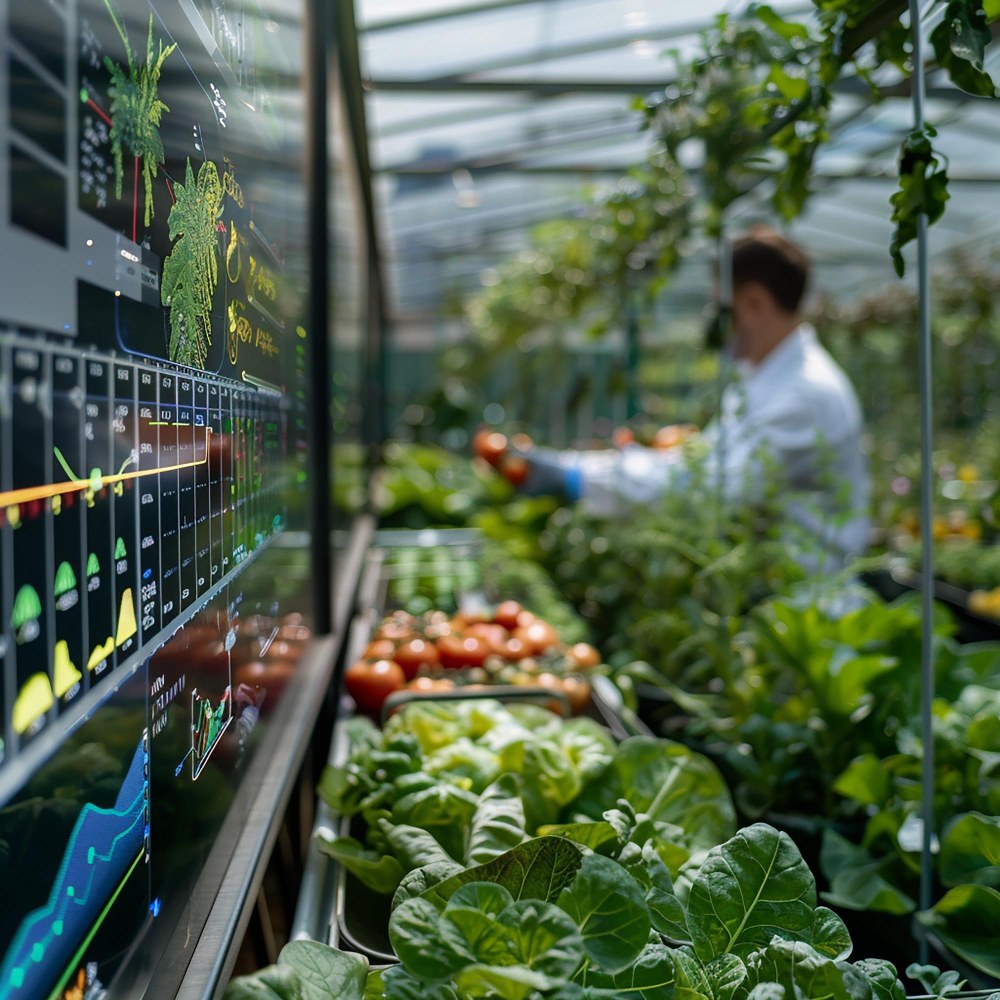
The organization established a scalable ESG management platform supporting operations across multiple countries, product categories, and supplier networks. Sustainability information became more consistent, climate-related risks gained greater visibility, and governance processes were strengthened through internationally recognized management systems and standardized performance measurement.
The programme also improved readiness to meet the environmental and social expectations of development finance institutions while providing leadership with a stronger foundation for future reporting, operational resilience, and sustainable business growth.
More case studies
Consumer Goods & Retail
Ingredient specifications influence procurement outcomes as much as supplier selection.
Read more
Consumer Goods & Retail
Reliable logistics depends on more than transport capacity; it depends on how that capacity is sourced, governed, and managed.
Read more
Pharmaceuticals & Healthcare
Supply continuity for sterile active pharmaceutical ingredients depends on far more than competitive pricing.
Read moreThe next chapter of success starts with one conversation.
Talk to our Experts