


INDUSTRIESCASE STUDIES
Pharmaceuticals & Healthcare
Climate scenarios become meaningful only when they answer business questions. What could carbon pricing cost? Which manufacturing sites face the greatest operational exposure to water stress? Where should future investments be directed to strengthen resilience?
These questions shaped Cognitud's partnership with a globally integrated life sciences and specialty chemicals manufacturer as it developed its first Climate Action Report, establishing a structured framework for understanding climate-related risks, opportunities, and financial implications across five manufacturing sites. The report was aligned with both the TCFD recommendations and IFRS S2 disclosure requirements.
Renewable energy adoption, emissions reduction initiatives, and water conservation programmes were already part of the company's sustainability journey, yet climate-related decisions remained distributed across individual business functions. Manufacturing locations had never been assessed using a common climate-risk methodology, governance responsibilities were not formally defined, and future regulatory and market developments had not been translated into quantified business impacts.
Water availability represented a particularly significant operational concern across all five manufacturing sites, while emerging carbon pricing mechanisms, evolving customer expectations, and India's Carbon Credit Trading Scheme (CCTS) introduced additional strategic uncertainty. Without a unified assessment framework, leadership lacked a consistent basis for evaluating long-term climate risks alongside operational and financial priorities.

Scientific modelling, governance design, financial analysis, and disclosure development were integrated into a single climate risk management framework. Physical climate risks were assessed across every manufacturing site using IPCC climate scenarios extending to 2100, while transition risks were evaluated through IEA pathways to understand the implications of carbon pricing, technology shifts, regulatory developments, and changing market expectations.
Board-level oversight responsibilities were formalized, supported by clearly defined management accountability and climate performance indicators. Financial modelling quantified potential carbon cost exposure, water-related operating costs, renewable energy savings, and adaptation investments, allowing climate scenarios to be evaluated through a commercial lens. An Internal Carbon Price of USD 12 per tonne of CO₂ was embedded into capital expenditure planning and operational decision-making, while a verified greenhouse gas inventory and product carbon footprint assessments formed the analytical foundation of the organization's inaugural TCFD- and IFRS S2-aligned Climate Action Report.
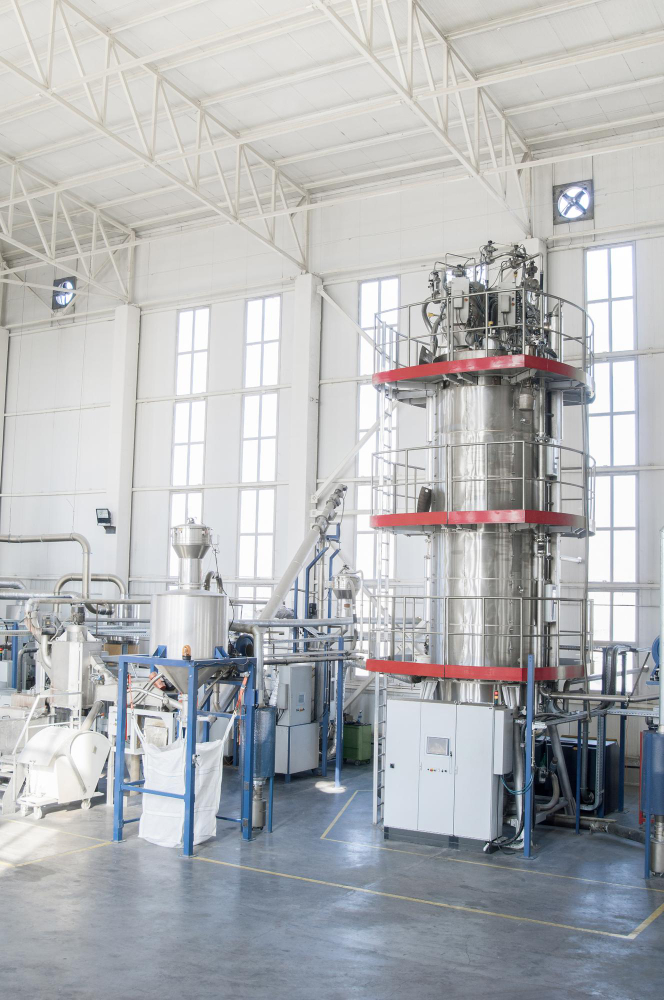
Climate considerations are now evaluated alongside financial performance rather than as a standalone sustainability exercise. Scenario modelling identified a potential carbon cost exposure of approximately INR 940 million by FY2030, projected annual renewable energy savings of up to INR 666 million, and informed INR 1.54 billion of committed investment in Zero Liquid Discharge systems across manufacturing operations. Board-level governance, standardized climate-risk methodologies, and an integrated carbon pricing mechanism have created a stronger foundation for capital allocation, enterprise risk management, and investor communication. Beyond publishing its first Climate Action Report, the organization established a decision-making framework that enables climate resilience to be planned, measured, and financed with greater confidence.
More case studies
Pharmaceuticals & Healthcare
Supply continuity for sterile active pharmaceutical ingredients depends on far more than competitive pricing.
Read more
Pharmaceuticals & Healthcare
Consistency in pharmaceutical manufacturing depends on the reliability of every critical input.
Read more
Pharmaceuticals & Healthcare
In healthcare procurement, supply reliability is as critical as product quality.
Read moreThe next chapter of success starts with one conversation.
Talk to our Experts