

INDUSTRIES/MINING & METALS
Coverage
Base and transition metals (copper, zinc, aluminum, nickel), iron ore and steel, and industrial minerals. Work spans open-pit and underground operations, concentrators, smelters and refineries, and downstream metals processing.
Cognitud provides sustainability and procurement advisory to mining companies, smelters and metals producers. The sustainability practice covers site-level decarbonisation, water stewardship, tailings-related disclosure readiness, biodiversity and closure planning, and community and social performance. The procurement practice covers the categories that dominate mine operating cost: energy and fuel, heavy mobile equipment, mining services and contractors, MRO, reagents, explosives and grinding media.
Both the sustainability and procurement practices operate as one engagement team. Decarbonization in this sector is executed substantially through procurement — power contracts, fleet tenders, fuel agreements — and category decisions carry emissions and ESG consequences that are priced into sourcing evaluation rather than assessed afterwards.
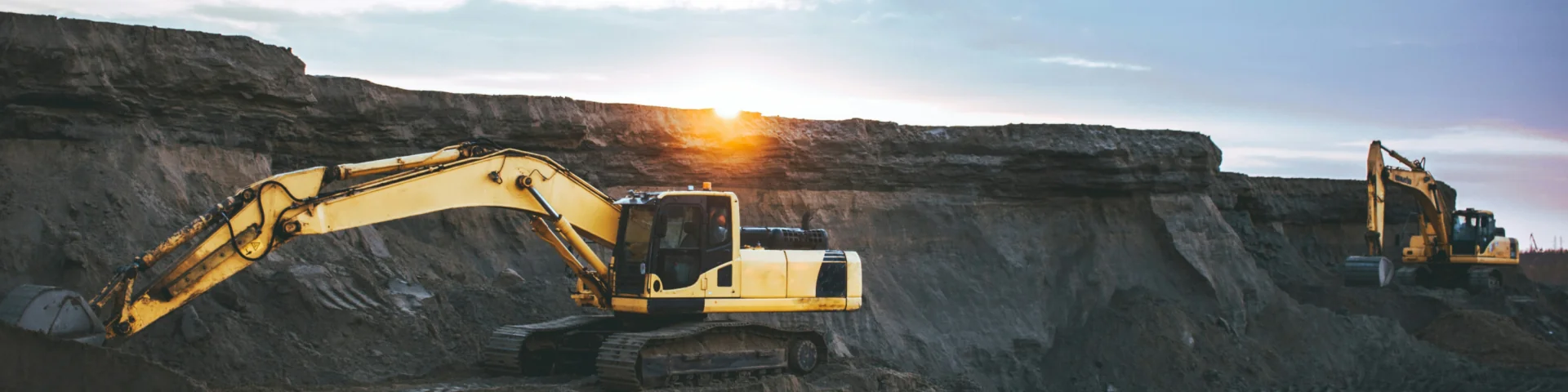
Scope 1 and 2 emissions at mining operations are dominated by diesel haulage, comminution power, and where applicable, smelting energy. Abatement options include fleet electrification and trolley-assist, fuel substitution, captive and contracted renewable power, and process-efficiency measures in grinding and materials handling.
Cognitud develops site-level GHG inventories per GHG Protocol standards and constructs marginal abatement cost curves per site, with levers sequenced against equipment replacement cycles and life-of-mine plans. Fleet-electrification analysis includes duty-cycle assessment, charging or trolley infrastructure requirements, and total cost of ownership against diesel baselines. Power-sourcing options — captive renewables, group-captive structures, contracted supply — are compared on landed cost per MWh and emissions factor.
Service Lines
Site GHG inventory and MACC development
Fleet electrification and fuel-transition TCO analysis
Renewable power sourcing and contracting strategy
Process energy-efficiency assessment (comminution, materials handling)
TYPICAL DATA REQUIREMENTS
Indicative inputs requested at engagement start, by advisory area. Data gaps identified during collection are documented and addressed within the engagement where feasible.
Advisory area
Primary data inputs
Advisory area
Decarbonization
Primary data inputs
Fuel and electricity consumption by source and site; fleet register with duty cycles; production volumes; life-of-mine plan; equipment replacement schedule.
Advisory area
Water
Primary data inputs
Abstraction, discharge and reuse volumes by source; site water-balance data; catchment context; existing permits and conditions.
Advisory area
Biodiversity & closure
Primary data inputs
Existing baseline studies; disturbance and rehabilitation records; closure plans and cost estimates; land-tenure documentation.
Advisory area
Social performance
Primary data inputs
Community baseline data; employment and local-procurement records; grievance logs; existing agreements and commitments.
Advisory area
Category management
Primary data inputs
Spend cube by category and supplier; current contracts and rates; demand forecasts; supplier performance records.
Advisory area
Product footprint
Primary data inputs
Site GHG inventory; production and shipment data by product; existing customer or offtake data requests.
Discuss a site-level diagnostic across emissions, water, and category positions.
Contact the mining & metals team