

.jpg)
08 September 2025
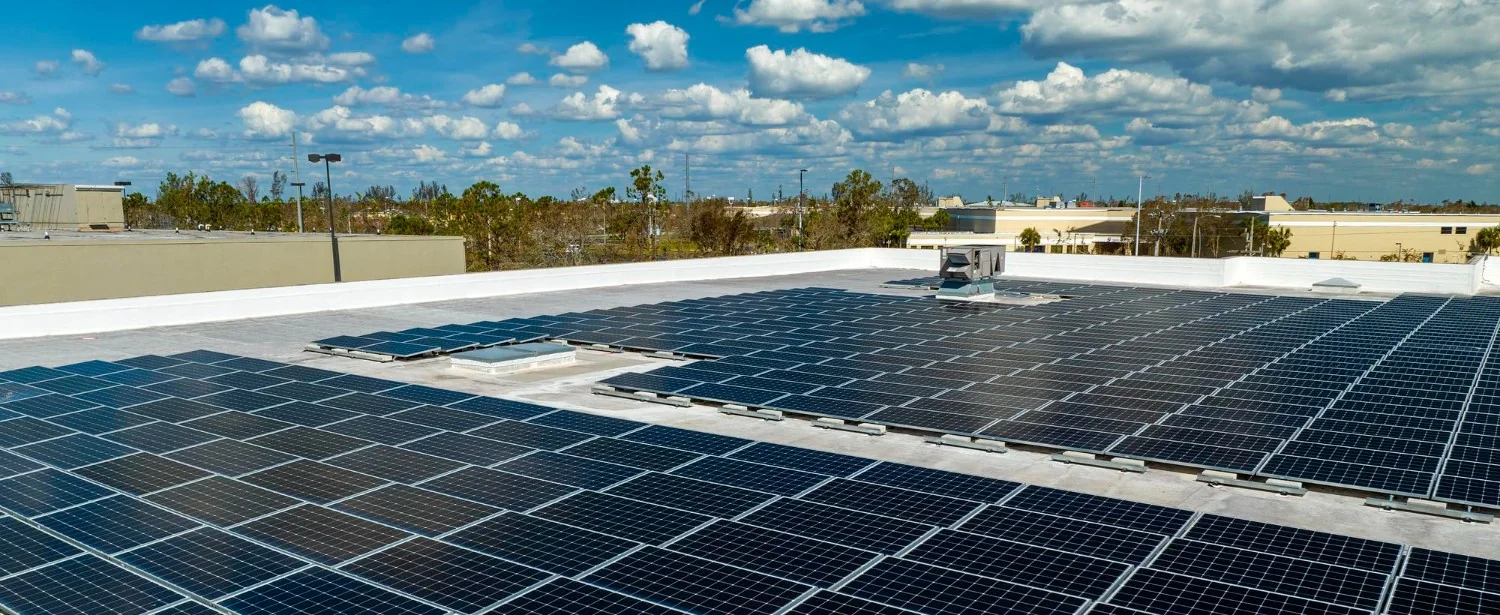
The U.S. solar industry is projected to install 27% less capacity between 2026 and 2030 than previously expected, due to President Donald Trump’s rollback of clean energy subsidies, according to a report by the Solar Energy Industries Association (SEIA) and Wood Mackenzie. The trade group warned the policy shift is discouraging investment, raising energy costs, and threatening grid reliability.
Despite setbacks, solar remains a major force in U.S. energy growth: solar and storage made up 82% of new electricity capacity in the first half of 2025. Domestic solar module manufacturing also surged, reaching 55 GW of capacity.
However, rising tariffs, permitting hurdles, and higher overhead pushed utility-scale solar costs up 4%, while residential and commercial system costs rose 2% and 10%, respectively. Notably, over three-quarters of solar capacity installed this year has been in Trump-leaning states like Texas, Indiana, and Florida.
The 27 percent downward revision in 2026–2030 solar capacity is a meaningful downgrade, but the underlying market fundamentals remain robust. Solar and storage still accounted for 82 percent of new US electricity capacity in the first half of 2025, and 55 GW of domestic module manufacturing capacity indicates continued industrial investment despite policy headwinds. The market is adjusting rather than reversing.
The state-level pattern - with over three-quarters of installed solar capacity concentrated in Republican-leaning states - reflects economic rather than political drivers. Solar and storage are increasingly cost-competitive with alternatives, and grid reliability considerations continue to support deployment even where federal-level rhetoric has turned negative. Investors comfortable with policy-risk analysis are finding the current environment offers selective opportunity.
For utilities, developers and investors managing exposure to US clean-energy markets, Cognitud's market intelligence and responsible investment teams support scenario planning across federal and state policy trajectories, portfolio construction that reflects the actual state-level economics of solar-plus-storage, and ESG disclosures that translate a complex regulatory landscape into risk narratives that lenders and rating agencies can price.

• 𝘛𝘩𝘦 𝘜𝘈𝘌 𝘍𝘰𝘰𝘥 𝘉𝘢𝘯𝘬 𝘢𝘯𝘥 𝘋𝘶𝘣𝘢𝘪’𝘴 𝘊𝘰𝘮𝘮𝘶𝘯𝘪𝘵𝘺 𝘋𝘦𝘷𝘦𝘭𝘰𝘱𝘮𝘦𝘯𝘵 𝘈𝘶𝘵𝘩𝘰𝘳𝘪𝘵𝘺 (𝘊𝘋𝘈) 𝘩𝘢𝘷𝘦 𝘴𝘪𝘨𝘯𝘦𝘥 𝘢𝘯 𝘢𝘨𝘳𝘦𝘦𝘮𝘦𝘯𝘵 𝘵𝘰 𝘤𝘰𝘭𝘭𝘦𝘤𝘵 𝘢𝘯𝘥 𝘳𝘦𝘥𝘪𝘴𝘵𝘳𝘪𝘣𝘶𝘵𝘦 𝘴𝘶𝘳𝘱𝘭𝘶𝘴 𝘧𝘰𝘰𝘥 𝘧𝘳𝘰𝘮 𝘸𝘦𝘥𝘥𝘪𝘯𝘨𝘴 𝘢𝘯𝘥 𝘦𝘷𝘦𝘯𝘵𝘴. • 𝘛𝘩𝘦 𝘪𝘯𝘪𝘵𝘪𝘢𝘵𝘪𝘷𝘦 𝘸𝘪𝘭𝘭 𝘧𝘰𝘭𝘭𝘰𝘸 𝘢𝘱𝘱𝘳𝘰𝘷𝘦𝘥…
<ul><li><i>India’s rooftop solar capacity reached 30.7 GW in July 2026, increasing the need for better grid management and flexibility.</i></li><li><i>Kerala and Maharashtra are exploring battery ener…
• 𝘛𝘩𝘦 𝘌𝘐𝘉 𝘎𝘳𝘰𝘶𝘱 𝘱𝘭𝘢𝘯𝘴 𝘵𝘰 𝘱𝘳𝘰𝘷𝘪𝘥𝘦 𝘢𝘵 𝘭𝘦𝘢𝘴𝘵 €30 𝘣𝘪𝘭𝘭𝘪𝘰𝘯 𝘧𝘰𝘳 𝘤𝘭𝘪𝘮𝘢𝘵𝘦 𝘢𝘥𝘢𝘱𝘵𝘢𝘵𝘪𝘰𝘯 𝘣𝘦𝘵𝘸𝘦𝘦𝘯 2026 𝘢𝘯𝘥 2030. • 𝘛𝘩𝘦 𝘯𝘦𝘸 𝘵𝘢𝘳𝘨𝘦𝘵 𝘥𝘰𝘶𝘣𝘭𝘦𝘴 𝘢𝘥𝘢𝘱𝘵𝘢𝘵𝘪𝘰𝘯 𝘧𝘪𝘯𝘢𝘯𝘤𝘪𝘯𝘨 𝘤𝘰𝘮𝘱𝘢𝘳𝘦𝘥 𝘸𝘪𝘵𝘩 𝘵𝘩𝘦 𝘱𝘳𝘦𝘷𝘪𝘰𝘶𝘴 𝘧𝘪𝘷𝘦-𝘺𝘦𝘢𝘳 𝘱𝘦𝘳𝘪𝘰𝘥. • 𝘍𝘶𝘯𝘥𝘪𝘯𝘨…