

.jpg)
28 April 2026
The Trump administration has terminated two major offshore wind leases and redirected nearly $885 million toward domestic fossil fuel investments, marking another sharp shift in U.S. energy policy away from renewables and toward conventional energy production.
The canceled projects include large offshore wind developments off the coasts of New York, New Jersey, and California. The decision follows a similar agreement earlier this year that redirected major offshore wind investments into U.S. oil and gas development.
Under the latest arrangement, hundreds of millions of dollars will be redirected into a U.S. liquefied natural gas (LNG) facility, while additional funds tied to offshore wind lease fees will be reinvested into oil, gas, or LNG infrastructure.
Interior Secretary Doug Burgum said the administration is prioritizing “affordable, reliable, secure energy infrastructure,” while industry groups warned the move could weaken long-term electricity supply and delay clean energy deployment.
The offshore wind sector has reacted strongly, arguing that limiting renewable expansion could undermine grid stability as electricity demand rises. Several developers have already paused offshore wind projects and recorded financial losses tied to growing policy uncertainty.
For investors and developers, the decision highlights increasing regulatory and political risks in the U.S. energy transition. While LNG and fossil fuel assets may benefit from renewed federal backing, the rollback raises broader concerns about the country’s alignment with global net-zero and ESG commitments.
Redirecting $885 million from offshore wind toward fossil-fuel expansion is a real signal for how federal energy dollars are being reallocated, and it materially affects offshore-wind pipeline credibility in US East Coast markets. Our energy-transition and market-intelligence teams help clients evaluate what this reallocation means for offshore-wind investment strategy and how to position across federal-state divergence.

• 𝘛𝘩𝘦 𝘜𝘈𝘌 𝘍𝘰𝘰𝘥 𝘉𝘢𝘯𝘬 𝘢𝘯𝘥 𝘋𝘶𝘣𝘢𝘪’𝘴 𝘊𝘰𝘮𝘮𝘶𝘯𝘪𝘵𝘺 𝘋𝘦𝘷𝘦𝘭𝘰𝘱𝘮𝘦𝘯𝘵 𝘈𝘶𝘵𝘩𝘰𝘳𝘪𝘵𝘺 (𝘊𝘋𝘈) 𝘩𝘢𝘷𝘦 𝘴𝘪𝘨𝘯𝘦𝘥 𝘢𝘯 𝘢𝘨𝘳𝘦𝘦𝘮𝘦𝘯𝘵 𝘵𝘰 𝘤𝘰𝘭𝘭𝘦𝘤𝘵 𝘢𝘯𝘥 𝘳𝘦𝘥𝘪𝘴𝘵𝘳𝘪𝘣𝘶𝘵𝘦 𝘴𝘶𝘳𝘱𝘭𝘶𝘴 𝘧𝘰𝘰𝘥 𝘧𝘳𝘰𝘮 𝘸𝘦𝘥𝘥𝘪𝘯𝘨𝘴 𝘢𝘯𝘥 𝘦𝘷𝘦𝘯𝘵𝘴. • 𝘛𝘩𝘦 𝘪𝘯𝘪𝘵𝘪𝘢𝘵𝘪𝘷𝘦 𝘸𝘪𝘭𝘭 𝘧𝘰𝘭𝘭𝘰𝘸 𝘢𝘱𝘱𝘳𝘰𝘷𝘦𝘥…
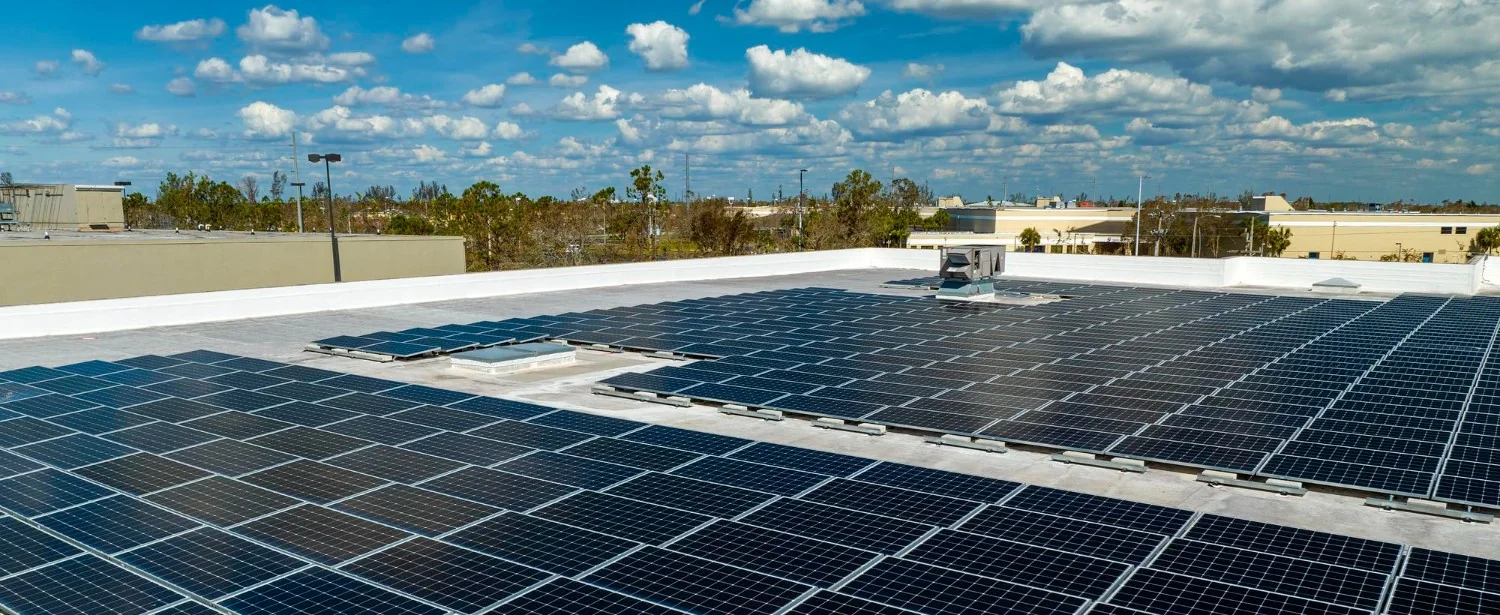
<ul><li><i>India’s rooftop solar capacity reached 30.7 GW in July 2026, increasing the need for better grid management and flexibility.</i></li><li><i>Kerala and Maharashtra are exploring battery ener…

• 𝘛𝘩𝘦 𝘌𝘐𝘉 𝘎𝘳𝘰𝘶𝘱 𝘱𝘭𝘢𝘯𝘴 𝘵𝘰 𝘱𝘳𝘰𝘷𝘪𝘥𝘦 𝘢𝘵 𝘭𝘦𝘢𝘴𝘵 €30 𝘣𝘪𝘭𝘭𝘪𝘰𝘯 𝘧𝘰𝘳 𝘤𝘭𝘪𝘮𝘢𝘵𝘦 𝘢𝘥𝘢𝘱𝘵𝘢𝘵𝘪𝘰𝘯 𝘣𝘦𝘵𝘸𝘦𝘦𝘯 2026 𝘢𝘯𝘥 2030. • 𝘛𝘩𝘦 𝘯𝘦𝘸 𝘵𝘢𝘳𝘨𝘦𝘵 𝘥𝘰𝘶𝘣𝘭𝘦𝘴 𝘢𝘥𝘢𝘱𝘵𝘢𝘵𝘪𝘰𝘯 𝘧𝘪𝘯𝘢𝘯𝘤𝘪𝘯𝘨 𝘤𝘰𝘮𝘱𝘢𝘳𝘦𝘥 𝘸𝘪𝘵𝘩 𝘵𝘩𝘦 𝘱𝘳𝘦𝘷𝘪𝘰𝘶𝘴 𝘧𝘪𝘷𝘦-𝘺𝘦𝘢𝘳 𝘱𝘦𝘳𝘪𝘰𝘥. • 𝘍𝘶𝘯𝘥𝘪𝘯𝘨…