

01 September 2026
• Singapore and Brazil have signed a Memorandum of Understanding to establish a Green and Digital Shipping Corridor, strengthening cooperation on maritime decarbonisation and digitalisation. • The partnership will support alternative marine fuel supply chains, combining Brazil’s renewable energy resources and production capabilities with Singapore’s position as a major global bunkering and maritime hub. • Zero- and near-zero-emission marine fuels will be explored as part of efforts to reduce greenhouse gas emissions from international shipping. • Digital information exchange will be another key focus, with both countries exploring ways to improve maritime and port operations through greater digital connectivity. • The two countries will work with industry stakeholders on the research, development and adoption of emerging maritime technologies and solutions, supporting a more sustainable and efficient shipping sector.
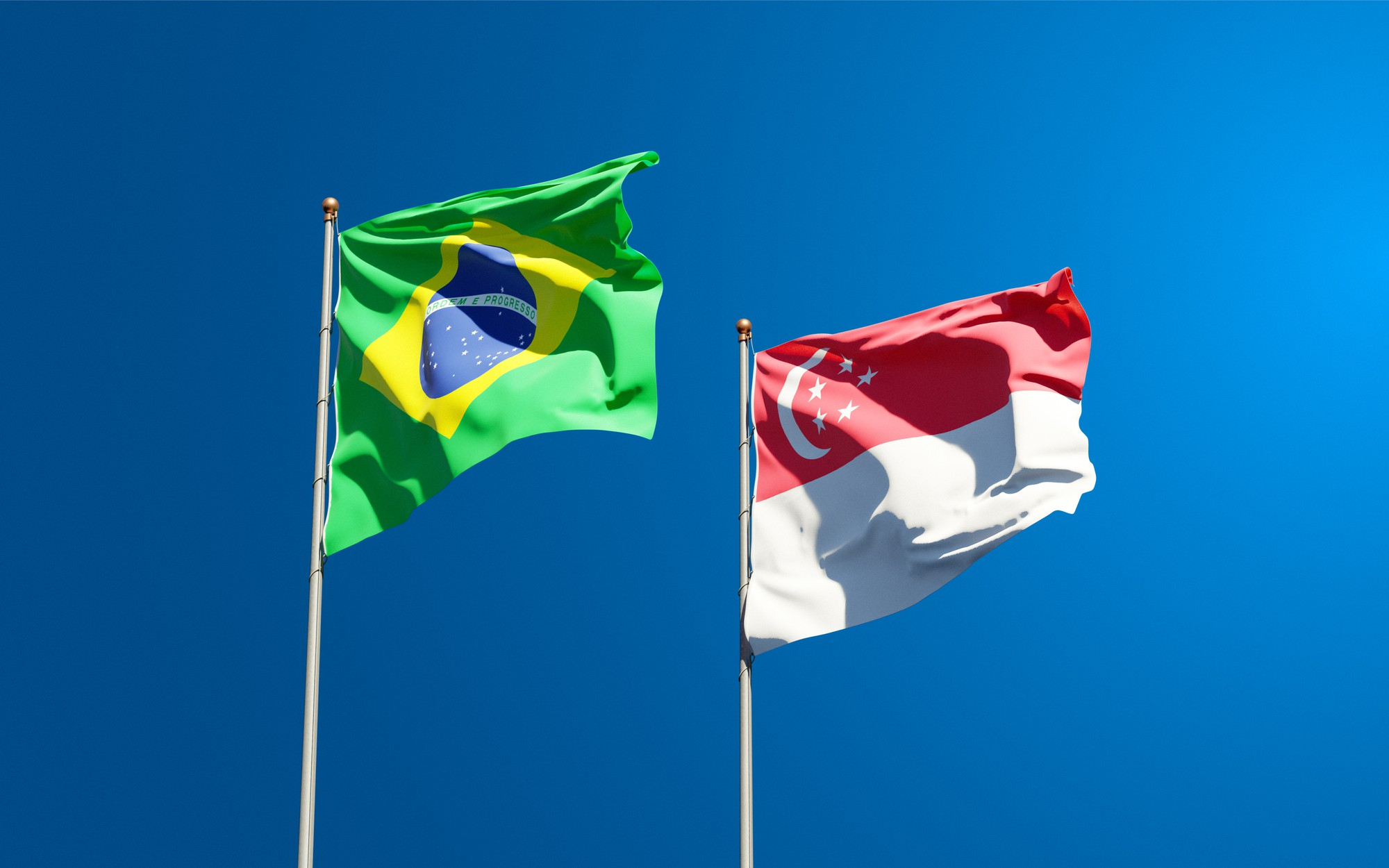
Singapore and Brazil have signed a Memorandum of Understanding to establish the Singapore-Brazil Green and Digital Shipping Corridor, strengthening bilateral cooperation on the decarbonisation and digitalisation of maritime transport. The agreement was signed on August 28 by Singapore’s Minister for Transport Jeffrey Siow and Brazil’s Minister of Ports and Airports Tomé Franca.
The corridor will bring together the complementary strengths of both countries. Brazil has significant renewable energy resources and production capabilities that could support the development of marine fuels with zero or near-zero greenhouse gas emissions. Singapore, meanwhile, is a major global bunkering port and an important international maritime hub with an established ecosystem for developing new maritime solutions.
A key area of cooperation will be the development of alternative marine fuel supply chains. The two countries will explore the conditions required to connect Brazil’s energy and fuel-production capabilities with Singapore’s maritime fuel infrastructure and operations. The initiative is intended to support the transition towards cleaner fuels and reduce emissions associated with international shipping. Specific fuels, routes, pilot projects and operational start dates have not yet been announced.
Digitalisation will form the second major pillar of the partnership. Singapore and Brazil will explore digital information exchanges to improve maritime and port operations, while also working with industry stakeholders to advance emerging technologies and solutions. The cooperation will include research, development and adoption of technologies that can improve the efficiency and connectivity of maritime activities.
The agreement reflects the growing importance of green shipping corridors as a mechanism for accelerating maritime decarbonisation. By connecting clean energy production, alternative fuel infrastructure, digital systems and international shipping networks, such corridors can help create practical pathways for reducing emissions across the maritime value chain.
For businesses in shipping, logistics, ports, energy and technology, the partnership highlights the increasing convergence of sustainability and digital transformation. Companies may need stronger capabilities to assess emissions, evaluate alternative fuels, adopt emerging technologies and measure environmental performance as the maritime sector moves towards lower-carbon operations.
Cognitud supports organisations in strengthening sustainability strategies, assessing environmental and social impacts, and developing reporting approaches aligned with evolving sustainability expectations. By connecting business priorities with measurable sustainability outcomes, organisations can improve transparency, identify opportunities for improvement and contribute more effectively to the transition towards a sustainable future.

<ul><li><i>Saudi Arabia reaffirmed its commitment to environmental sustainability through the Saudi Green Initiative and National Environment Strategy at the 28th Meeting of GCC Ministers Responsible…

• 𝘛𝘩𝘦 𝘜𝘚 𝘌𝘗𝘈 𝘱𝘳𝘰𝘱𝘰𝘴𝘦𝘴 𝘳𝘦𝘢𝘭𝘭𝘰𝘤𝘢𝘵𝘪𝘯𝘨 100% 𝘰𝘧 𝘸𝘢𝘪𝘷𝘦𝘥 𝘣𝘪𝘰𝘧𝘶𝘦𝘭 𝘰𝘣𝘭𝘪𝘨𝘢𝘵𝘪𝘰𝘯𝘴 𝘵𝘰 𝘭𝘢𝘳𝘨𝘦𝘳 𝘳𝘦𝘧𝘪𝘯𝘦𝘳𝘴 𝘰𝘷𝘦𝘳 𝘧𝘶𝘵𝘶𝘳𝘦 𝘤𝘰𝘮𝘱𝘭𝘪𝘢𝘯𝘤𝘦 𝘺𝘦𝘢𝘳𝘴. • 𝘛𝘩𝘦 𝘱𝘳𝘰𝘱𝘰𝘴𝘢𝘭 𝘧𝘰𝘭𝘭𝘰𝘸𝘴 𝘦𝘹𝘦𝘮𝘱𝘵𝘪𝘰𝘯𝘴 𝘤𝘰𝘷𝘦𝘳𝘪𝘯𝘨 1.76 𝘣𝘪𝘭𝘭𝘪𝘰𝘯 𝘙𝘦𝘯𝘦𝘸𝘢𝘣𝘭𝘦 𝘐𝘥𝘦𝘯𝘵𝘪𝘧𝘪𝘤𝘢𝘵𝘪𝘰𝘯…
• 𝘛𝘩𝘦 𝘌𝘶𝘳𝘰𝘱𝘦𝘢𝘯 𝘜𝘯𝘪𝘰𝘯 𝘱𝘭𝘢𝘯𝘴 𝘵𝘰 𝘱𝘶𝘳𝘴𝘶𝘦 𝘢𝘯 𝘪𝘮𝘱𝘭𝘦𝘮𝘦𝘯𝘵𝘢𝘵𝘪𝘰𝘯-𝘧𝘰𝘤𝘶𝘴𝘦𝘥 𝘨𝘭𝘰𝘣𝘢𝘭 𝘦𝘮𝘪𝘴𝘴𝘪𝘰𝘯𝘴 𝘳𝘦𝘥𝘶𝘤𝘵𝘪𝘰𝘯 𝘢𝘨𝘳𝘦𝘦𝘮𝘦𝘯𝘵 𝘢𝘵 𝘊𝘖𝘗31 𝘪𝘯 𝘛𝘶𝘳𝘬𝘦𝘺. • 𝘛𝘩𝘦 𝘱𝘳𝘰𝘱𝘰𝘴𝘢𝘭 𝘴𝘦𝘦𝘬𝘴 𝘵𝘰 𝘦𝘹𝘵𝘦𝘯𝘥 𝘵𝘩𝘦 𝘜𝘯𝘪𝘵𝘦𝘥 𝘕𝘢𝘵𝘪𝘰𝘯𝘴’ 𝘮𝘪𝘵𝘪𝘨𝘢𝘵𝘪𝘰𝘯 𝘸𝘰𝘳𝘬 𝘱𝘳𝘰𝘨𝘳𝘢𝘮𝘮𝘦 𝘶𝘯𝘵…